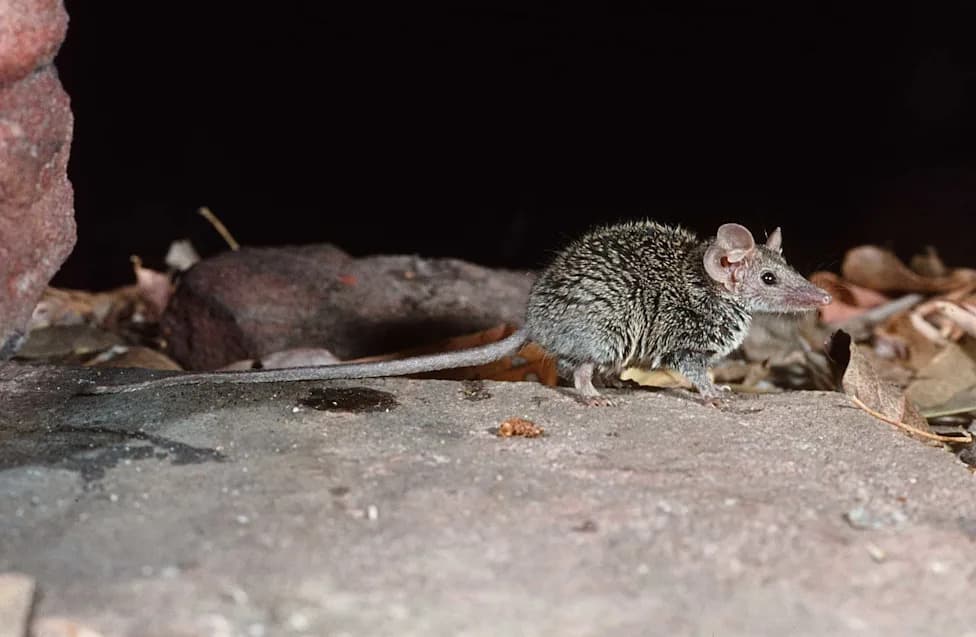
Australian researchers set more than 10,000 baited traps across seven historical sites over 31 months and captured only one pookila (New Holland mouse), highlighting the species’ extreme rarity. Weighing under 0.7 ounces, the pookila has only about 125 recorded captures in Queensland since 1996 and faces habitat loss, climate change, and introduced predators. Researchers urge continued monitoring and practical conservation actions—such as habitat protection, planned burns, preserving ground cover, and keeping pet cats contained—to clarify trends and support recovery.
Australia’s Elusive Pookila: 31-Month Survey With 10,000+ Traps Yields Just One
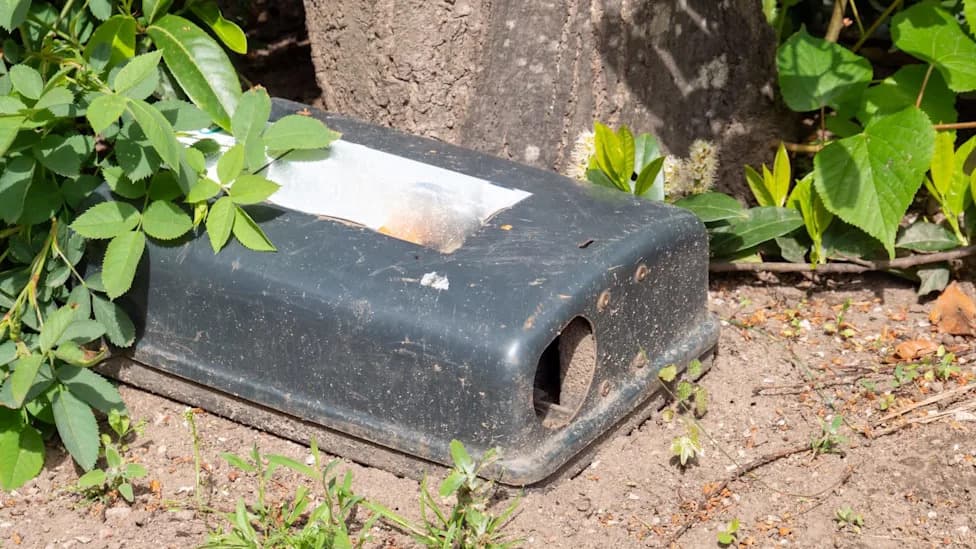
Photo Credit: iStock
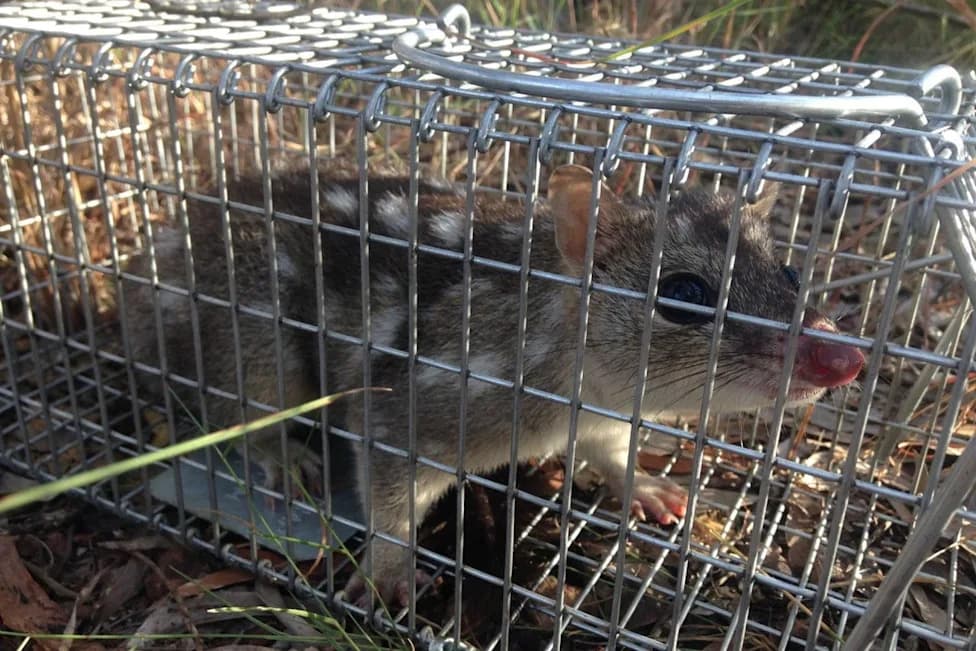
After a sustained, targeted search lasting 31 months and involving more than 10,000 baited box traps, Australian researchers captured a single pookila (New Holland mouse), underscoring how rare this tiny native mammal has become.
Survey Details
In a summary published in The Conversation, ecologists Meg Edwards and Abby Dennien describe returning to seven historical sites west of Brisbane where the species had previously been recorded. Across repeated overnight surveys over nearly three years, the team set thousands of baited traps to determine whether pookila persisted at these locations.
"During that time, we only found and trapped a single pookila," the researchers wrote.
The finding is stark in context: only around 125 pookila captures have been recorded in Queensland since 1996. The mouse weighs less than 0.7 ounces (under 20 grams) and is roughly the size of a small chocolate bar.
Why This Matters
Native rodents like the pookila perform important ecological services. By burrowing and foraging, they aerate soil and help disperse seeds and fungal spores—activities that support healthy forests and grasslands and contribute to cleaner air, resilient landscapes, and stable local environments.
When such species decline, the cascading effects can weaken ecosystems and reduce their ability to recover from disturbances.
Threats and Possible Explanations
Edwards and Dennien highlight several threats contributing to the pookila’s scarcity: habitat destruction, warmer temperatures linked to climate change, and predation by introduced species. Some southern populations have already declined or disappeared locally.
The researchers suggest the low detection rate may reflect shrinking populations, range shifts into areas not covered by surveys, or a combination of both.
Conservation Actions and Recommendations
Repeated monitoring is essential to determine whether pookila numbers are collapsing, moving to new refuges, or surviving in unrecognized habitat types. The authors recommend resurveying historical sites and expanding searches across Queensland to clarify population trends.
Practical conservation measures could include:
- Targeted planned burns to restore and maintain suitable grassy habitat.
- Protection and retention of fallen logs, native grasses, and other ground cover that provide shelter.
- Reducing predator pressure, including keeping pet cats contained to limit local hunting.
- Coordinated monitoring programs so landholders, conservation groups, and scientists can share findings and adapt management.
As the researchers conclude: “Our results raise serious concerns about the pookila's long-term survival in both Queensland and across the country.” Continued, coordinated monitoring and habitat protection will be critical to understand and respond to the species’ decline.
Help us improve.