The LAPD is operating far below the level its chief, Jim McDonnell, says is needed: about 12,500 officers versus the current ~8,551. Staffing has fallen due to attrition, recruitment challenges and policy choices including a $150 million cut in 2020. The city budget funds only 510 new positions this year, and roughly 2,400 officers will likely be dedicated to 2028 Olympic security — intensifying pressure on an already depleted force.
LAPD Chief: City Needs 12,500 Officers as Ranks Shrink Ahead of 2028 Olympics
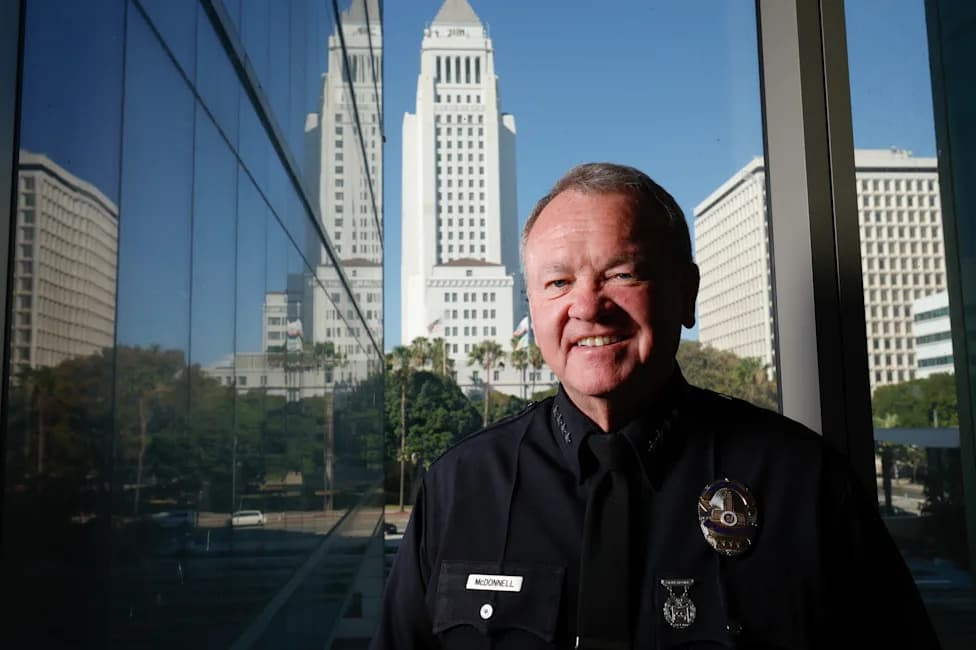
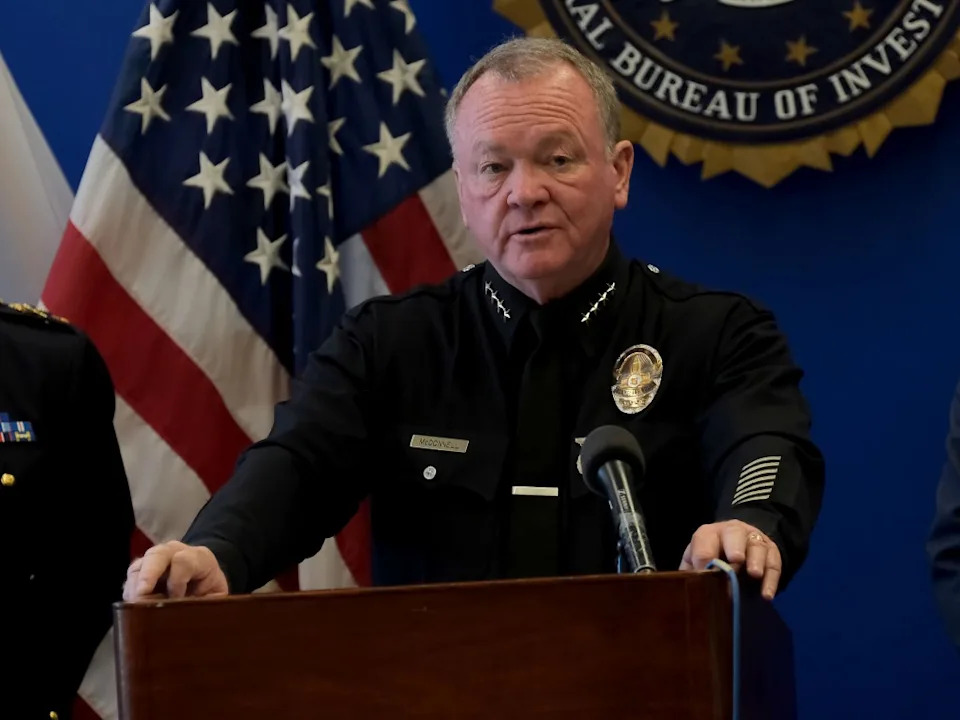
Los Angeles, Calif., United States – July 23: Chief of the Los Angeles Police Department Jim McDonnell stands inside LAPD HQ on Thursday, July 23, 2026 in Los Angeles, Calif....
Los Angeles Police Chief Jim McDonnell says the city needs roughly 12,500 sworn officers to police effectively — a striking contrast with the department's current strength of about 8,551. That shortfall of nearly 4,000 officers has widened as the LAPD lost roughly 200 officers since February and continues to experience annual attrition of an estimated 500–600 officers.
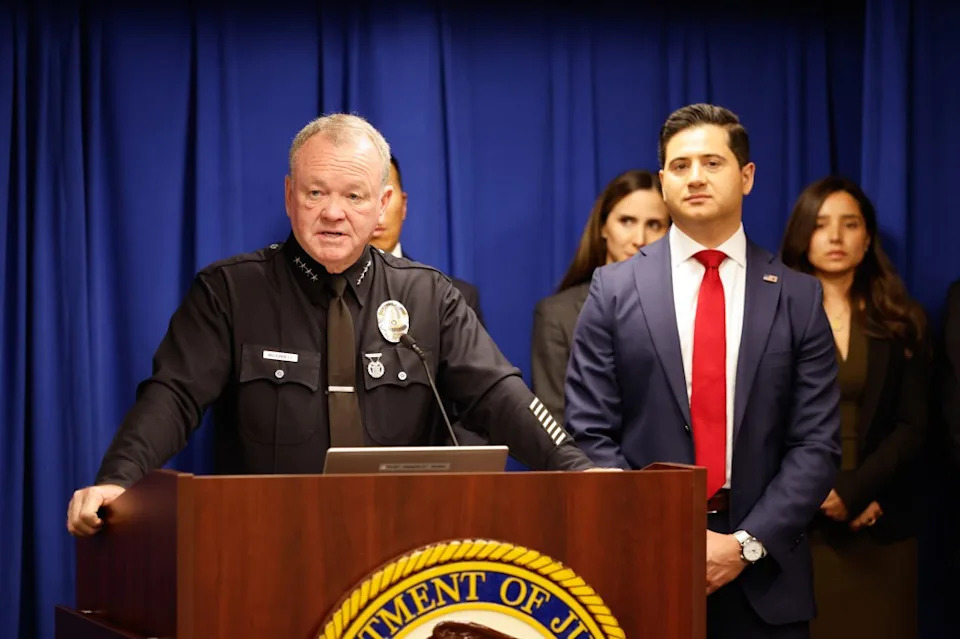
Los Angeles Police Chief Jim McDonnell just put an extraordinary number on what it would take to adequately police America's second-largest city: 12,500 officers. Carlin Stiehl for CA Post
"We're not even in that ballpark," McDonnell told the California Post, underscoring his view that Los Angeles requires a force larger than the department's peak of about 10,000 officers in 2013. He compared staffing ratios with other major U.S. cities: New York and Chicago average about 4–4.5 officers per 1,000 residents, while Los Angeles has about 2.2 per 1,000.
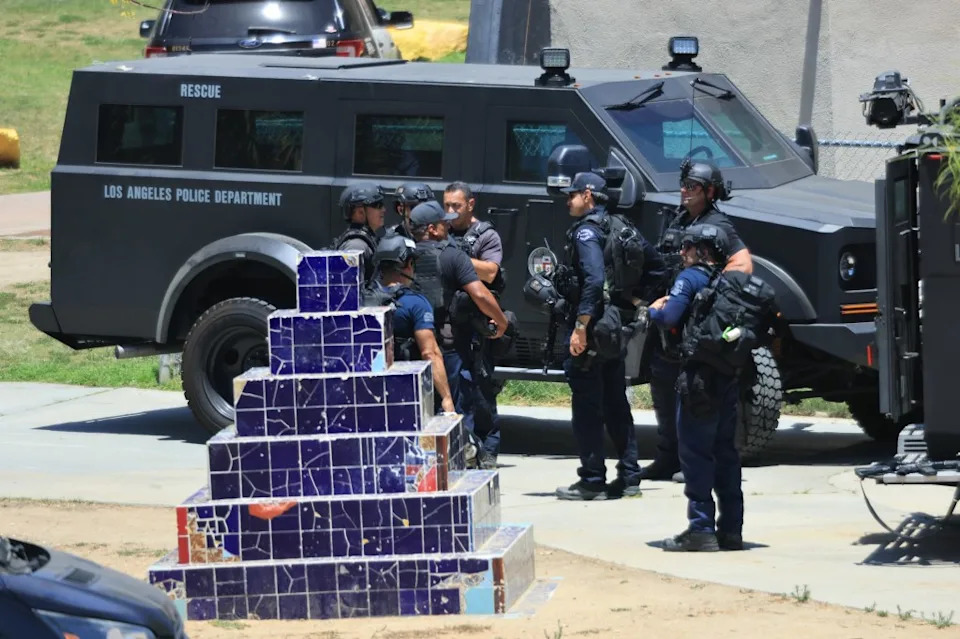
Compared with other major cities, 12,500 isn't an unreasonable number. McDonnell notes that New York and Chicago have four to four-and-a-half officers per 1,000 residents. Los Angeles has 2.2. Jonathan Alcorn for CA Post
Why Staffing Has Fallen
Personnel shortfalls reflect both workforce trends and policy choices. In 2020 the city cut roughly $150 million from the LAPD budget amid nationwide calls to rethink policing. Subsequent council elections brought in members who have publicly opposed expanding police budgets or hiring. Recruiters say that elected officials' open hostility toward law enforcement has made recruitment more difficult.
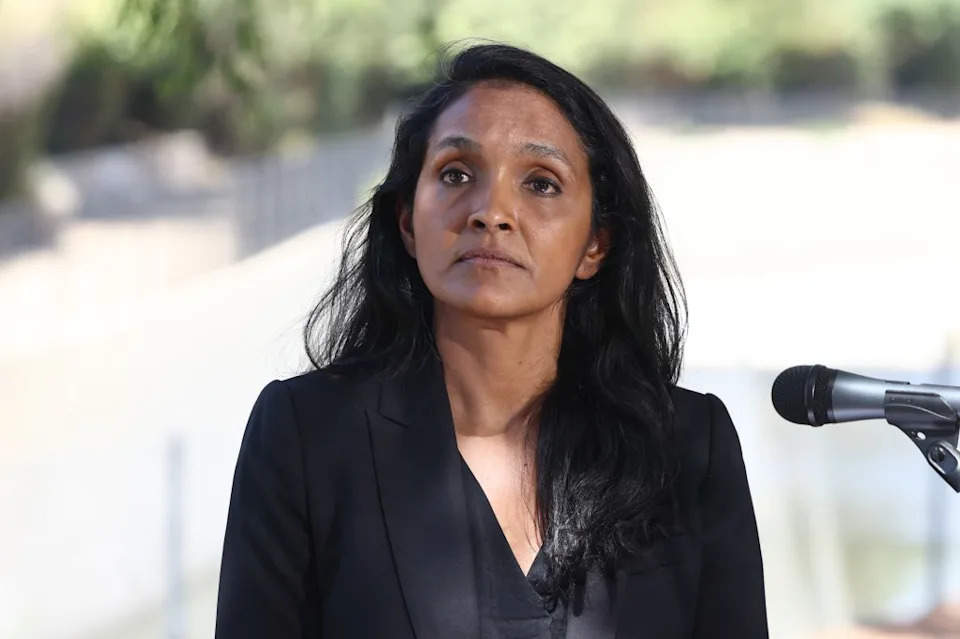
Then there's council member and mayoral candidate Nithya Raman, who faces Karen Bass in November's runoff. for CA Post
Council members Hugo Soto-Martínez and Eunisses Hernandez, both aligned with the Democratic Socialists of America, have opposed increased police spending; Soto-Martínez has described himself as a police abolitionist and Hernandez as an "abolitionist organizer." Another council member, Ysabel Jurado, was recorded using profanity about the police shortly before taking office.
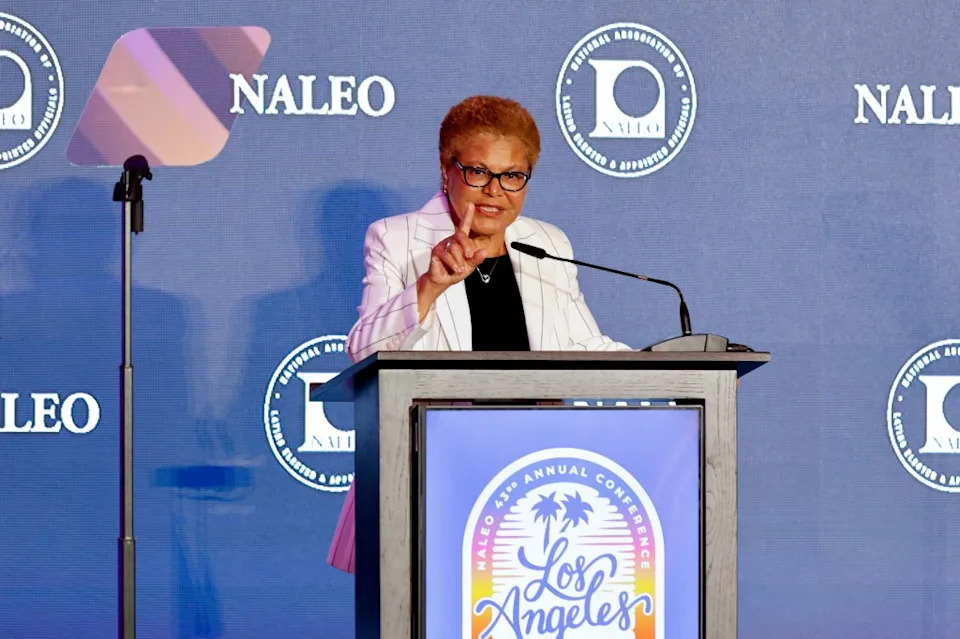
By April, Bass had shelved that 9,500 target for the foreseeable future. Carlin Stiehl for CA Post
Mayoral Politics And Budget Realities
The mayoral campaign has sharpened focus on staffing. Nithya Raman, who initially campaigned on "Defund the Police" and argued for a much smaller, specialized LAPD, now supports maintaining current staffing levels. Karen Bass at one time pledged to rebuild the department to 9,500 officers, but by April she acknowledged putting that target on hold "for the foreseeable future." Even Bass' earlier target would remain some 3,000 officers short of McDonnell's recommendation.
Her shelved goal was already 3,000 officers below what McDonnell says Los Angeles needs. CA Post
The city's budget this fiscal year funds 510 new officer positions — essentially enough to replace projected departures but far short of meaningful expansion. City budget officials project the LAPD will have about 8,555 officers next summer, roughly where it stands today.
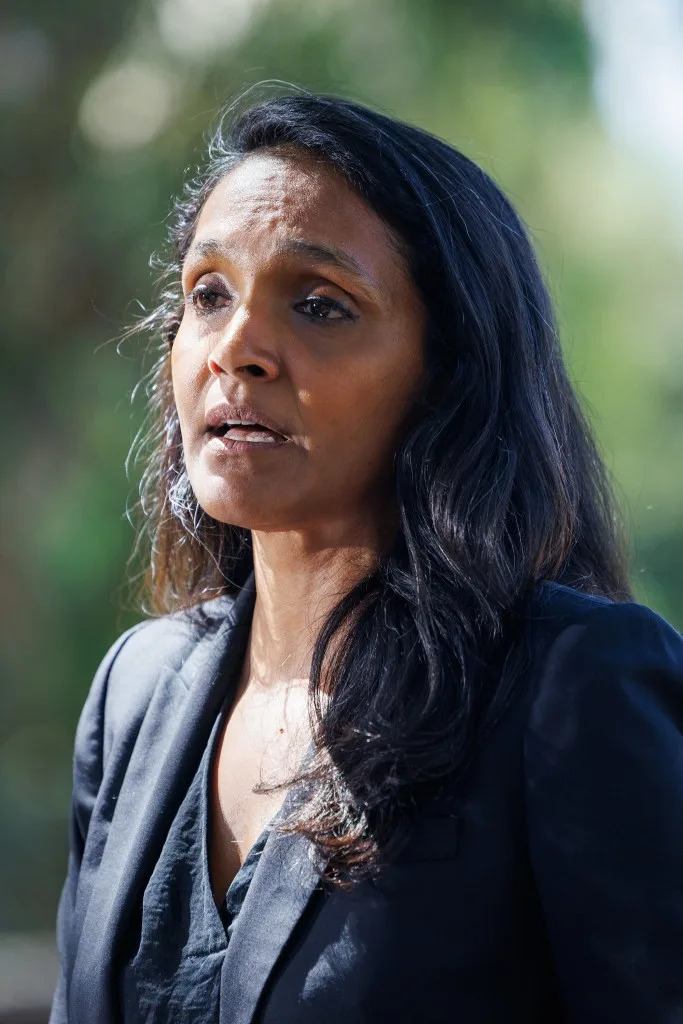
Angelenos will choose between Bass, who has shelved for now even her 9,500-officer goal, and Raman, who entered politics advocating a much smaller LAPD and now favors maintaining its depleted ranks. for CA Post
Costs, Priorities And The Olympics
Adding nearly 4,000 officers would be costly, but Los Angeles operates on an annual city budget close to $15 billion; the LAPD's direct departmental budget is roughly $2.1 billion, excluding overtime, pensions and other related costs. The article frames the gap as a matter of budgetary priorities: the city can choose to reallocate funds, but more officers would mean spending less elsewhere.
Timing raises additional urgency: the city expects to assign roughly 2,400 officers to security duties for the 2028 Olympic Games, stretching an already-thin force. Internal discussions have even considered pausing academy classes for about seven months and temporarily reassigning more than 300 training-division officers to field duty — a stopgap that would hinder long-term training and experience development.
What's At Stake
McDonnell's 12,500-officer benchmark stands in contrast to current political proposals. With voters choosing between Bass and Raman in the upcoming runoff, neither candidate is offering a plan that approaches the chief's recommended staffing level. The debate touches on core municipal responsibilities — protecting lives and property, maintaining order, and responding to 911 calls — and how the city prioritizes those duties alongside other spending commitments.
Jon Fleischman, a longtime California political strategist, commented on these developments at SoDoesItMatter.com.
Help us improve.