Houthis struck two Saudi Aramco facilities on the Red Sea coast in Jizan and Yanbu, escalating a regional confrontation tied to recent US–Iran hostilities. US air strikes on Iran paused after multiple waves, and both sides continue to exchange messages via intermediaries, though mistrust remains high. The fighting has already disrupted shipping through the Strait of Hormuz and risks further global supply-chain and food-security impacts if chokepoints such as Bab al-Mandeb are targeted.
Red Sea Escalation: Houthis Strike Saudi Aramco Sites as US–Iran Tensions Spread

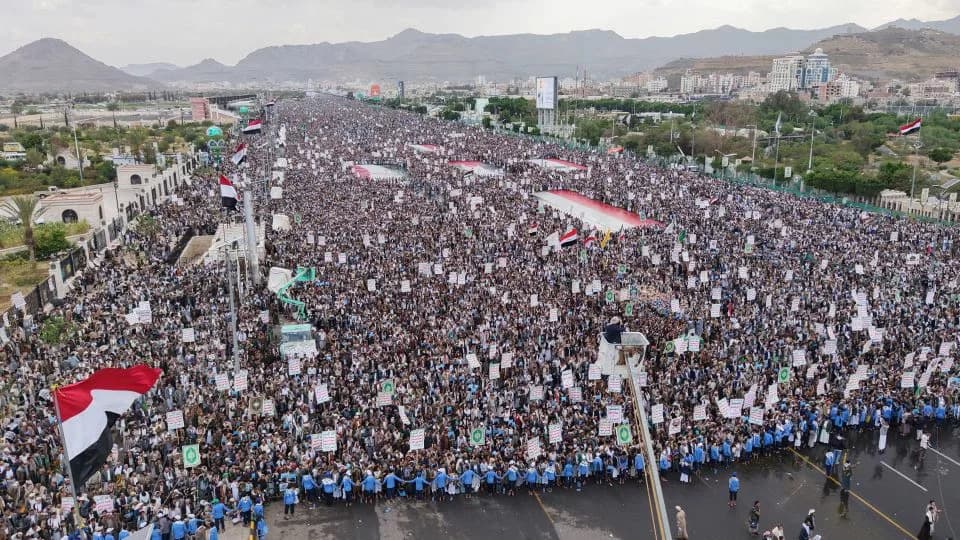
A Houthi follower during a protest in Sanaa, Yemen [File: Khaled Abdullah/Reuters]
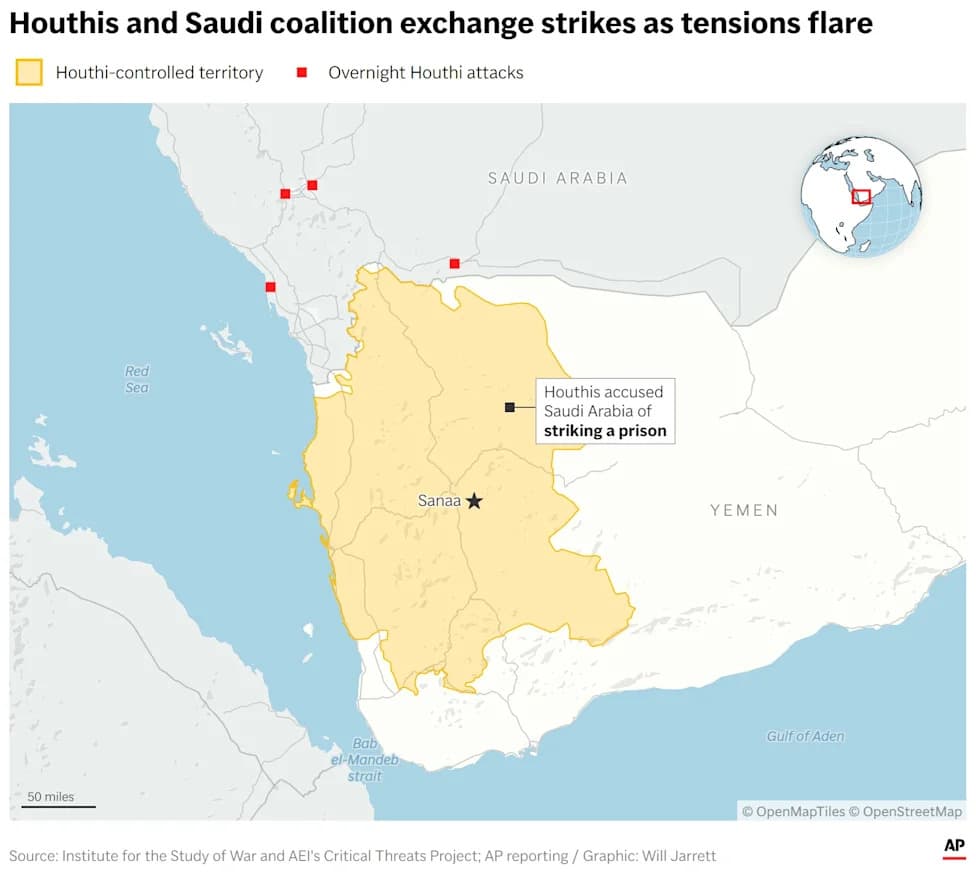
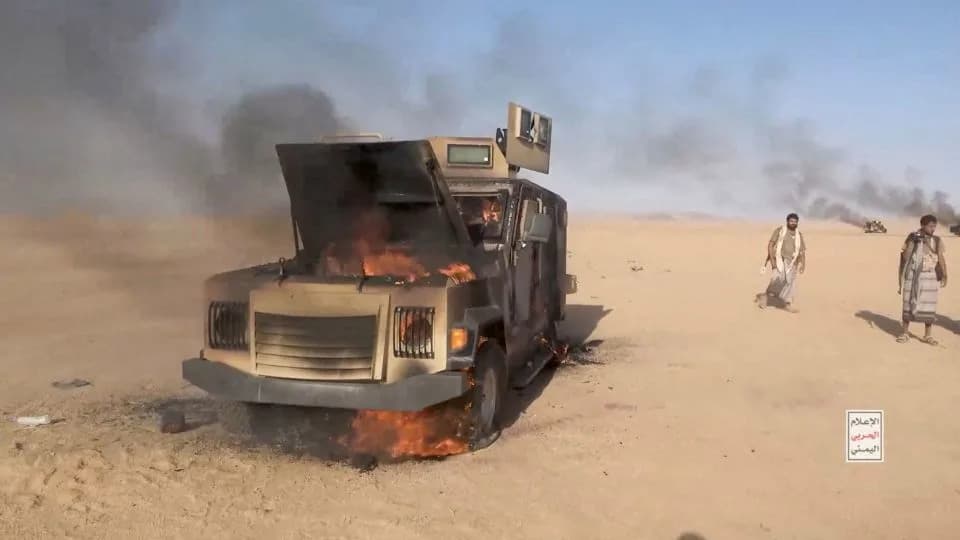
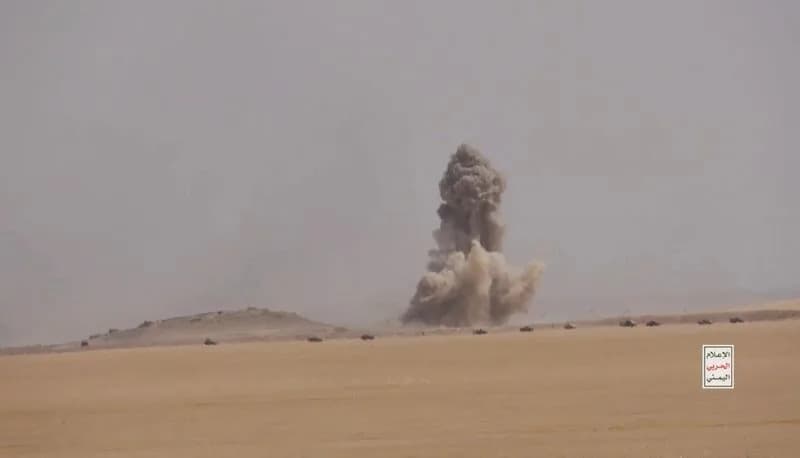
Tehran-backed Houthi forces in Yemen launched missile and drone strikes on two major Saudi Aramco facilities on the Red Sea coast — in Jizan and Yanbu — marking a significant escalation in a regional confrontation that has grown from recent US–Iran tensions.
What Happened
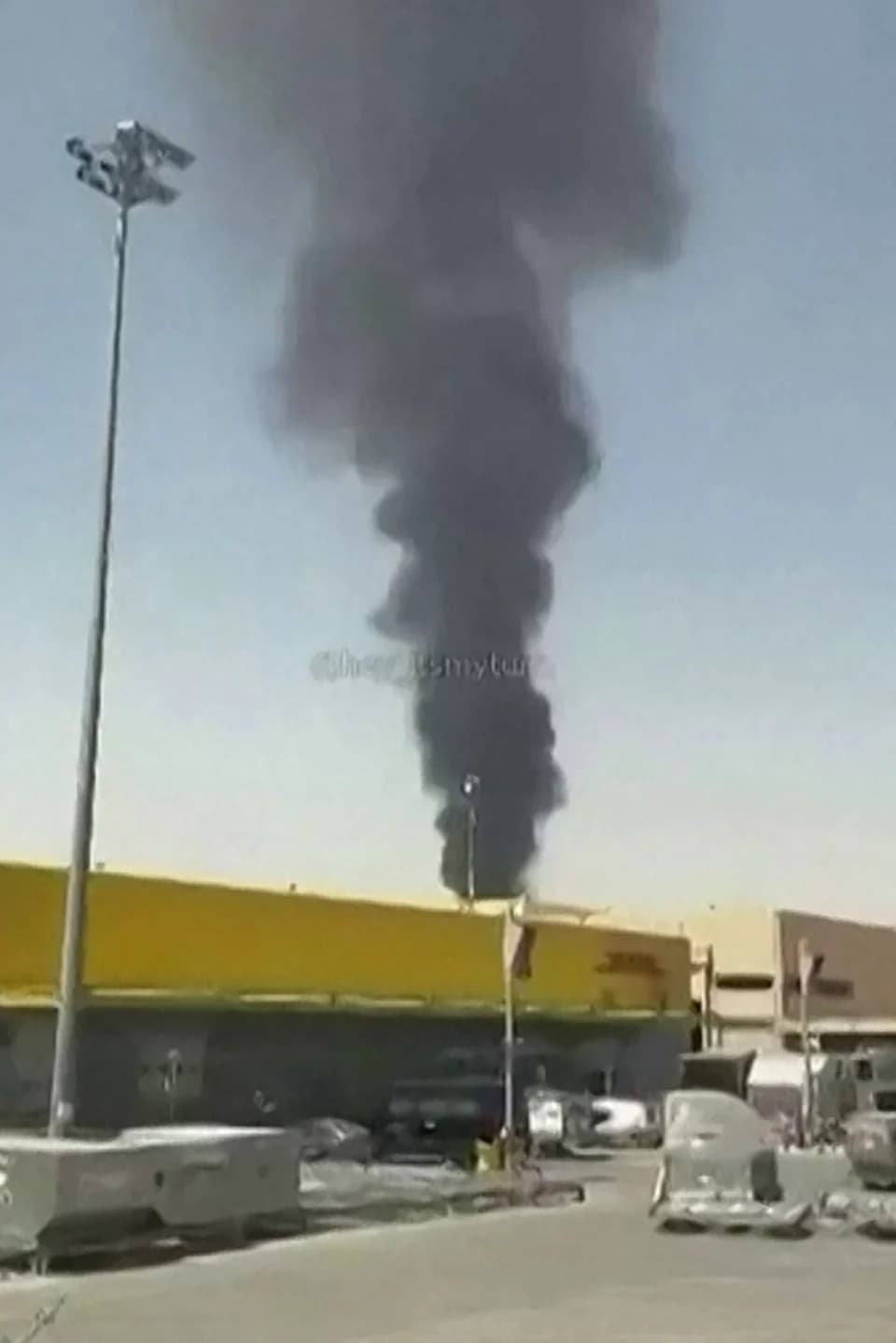
Houthi military spokesman Yahya Saree said the group targeted Aramco installations in Jizan and Yanbu in retaliation for recent Saudi strikes on Houthi-held areas. Observers reported a large column of smoke over the Aramco refinery in Jizan; Saudi authorities had not immediately released details on damage or casualties.
In Yanbu, two ballistic missiles were intercepted by a Patriot battery operated in Saudi Arabia by the Greek military under an agreement with Riyadh.
Broader Context
Since July 11, Iran has been hit by repeated US air strikes after the Islamic Revolutionary Guard Corps (IRGC) attacked commercial tankers transiting the Strait of Hormuz. Reports indicate the US carried out 13 waves of overnight strikes before a pause in operations beginning Friday, and officials say Washington and Tehran continue low-level contacts through intermediaries.
Those exchanges have not yet produced a durable ceasefire. The interim truce reached in June was declared dead by both sides as hostilities intensified, and fresh negotiations appear fragile given deep mutual distrust.
Regional Fallout
Iran’s attacks on shipping in the Strait of Hormuz have disrupted oil and raw-material exports used in fertilizer production, pushing energy prices higher and raising the risk of food-security problems in vulnerable countries. The fighting has also amplified other regional fronts: Hezbollah resumed missile attacks on Israel earlier this year, prompting a major Israeli operation in southern Lebanon that displaced around 1.2 million people.
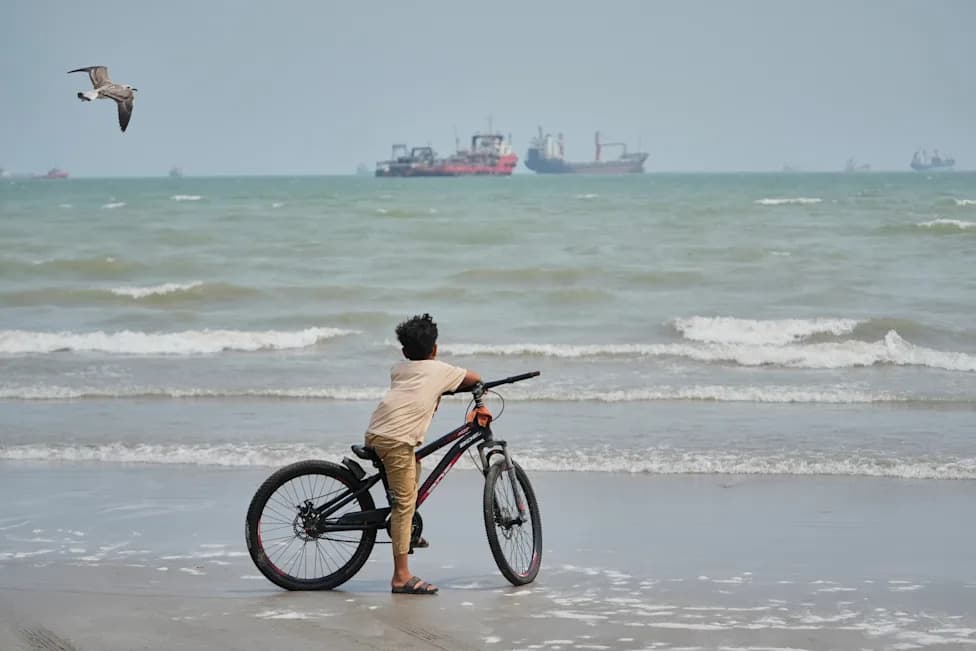
Now the confrontation has widened to the Red Sea. Analysts warn the Houthis could attempt to impede traffic through the Bab al-Mandeb Strait — the chokepoint linking the Red Sea to the Gulf of Aden. If both Bab al-Mandeb and the Strait of Hormuz were effectively closed, global supply chains and maritime trade would face severe disruption.
International Entanglements
The conflict is intersecting with other wars. A long-range strike on an Iranian vessel in the Caspian Sea reportedly caused an explosion that killed one sailor and injured another; Iran blamed Ukraine for the attack. Kyiv said it had struck vessels used for Iranian military cargo shipments and claimed it had shared satellite imagery with Tehran showing Russian surveillance of Gulf states and some US facilities.
Diplomacy and Outlook
US officials say diplomacy remains a stated preference while pressure continues. A senior administration official told Reuters that the US is open to talks but will keep military options on the table should negotiations fail. Iranian officials, according to reporting from Tehran, say they are reviewing mediator proposals but that fundamental disagreements and mistrust slow progress.
The situation remains volatile: even as direct US strikes have paused, the spread of hostilities to new fronts — Yemen’s Red Sea coast and the Caspian Sea — raises the risk of wider regional disruption and economic shock waves that could affect global energy and food supplies.
Help us improve.