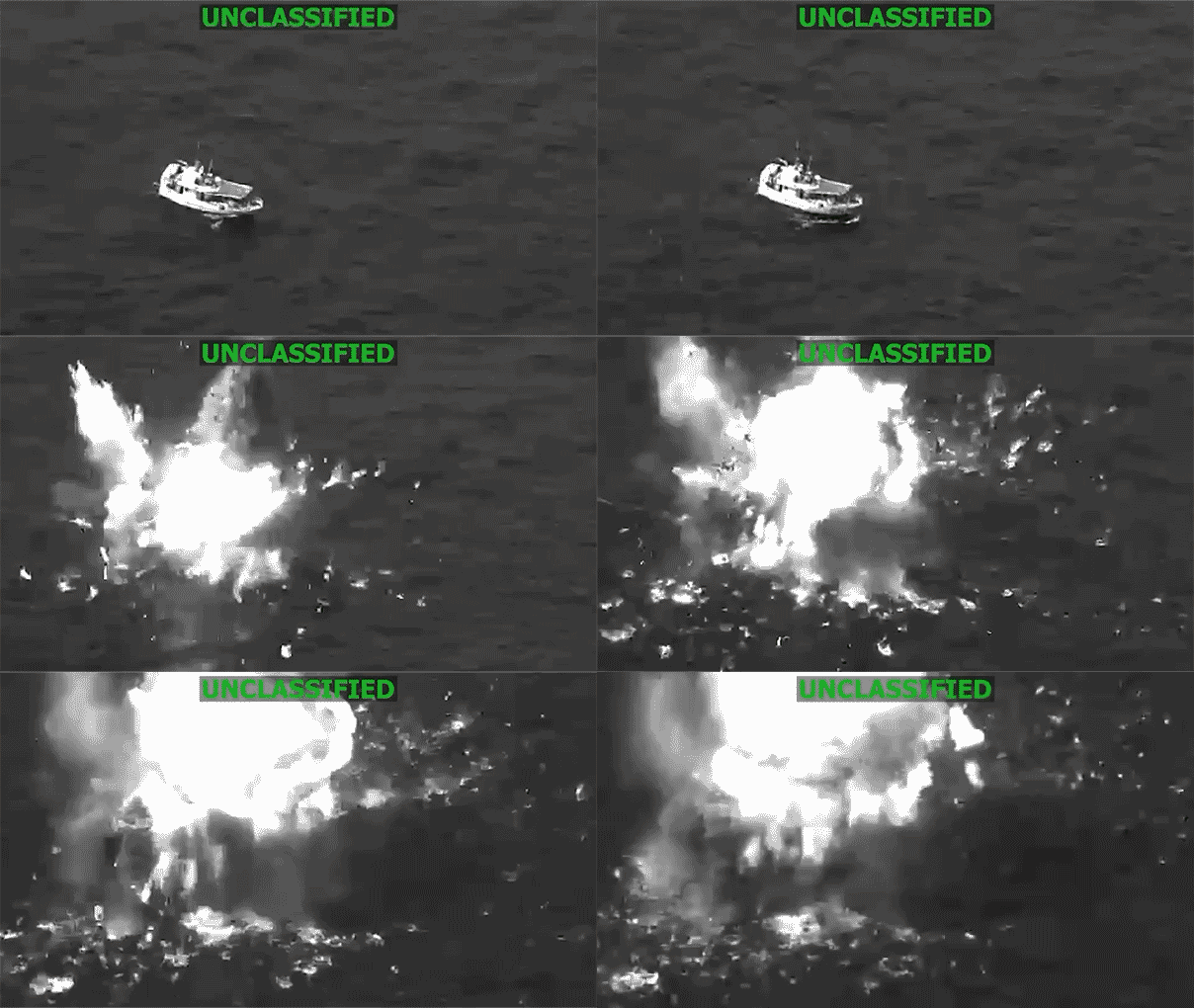
At RIMPAC 2026, U.S. and allied forces conducted two live-fire sinking exercises on July 11 and 17, sending the decommissioned USS Peleliu and USS Mobile Bay to the bottom more than 50 nautical miles off Kauai. Army AH-64 Apaches used Spike NLOS missiles against Mobile Bay while Navy units employed one-way surface-attack drones against Peleliu. The events helped partners build live-fire proficiency, test weapons and tactics, and followed other recent multinational sinkings such as USS Juneau.
Army Helicopters and Navy Drones Sink Two Decommissioned Ships at RIMPAC 2026
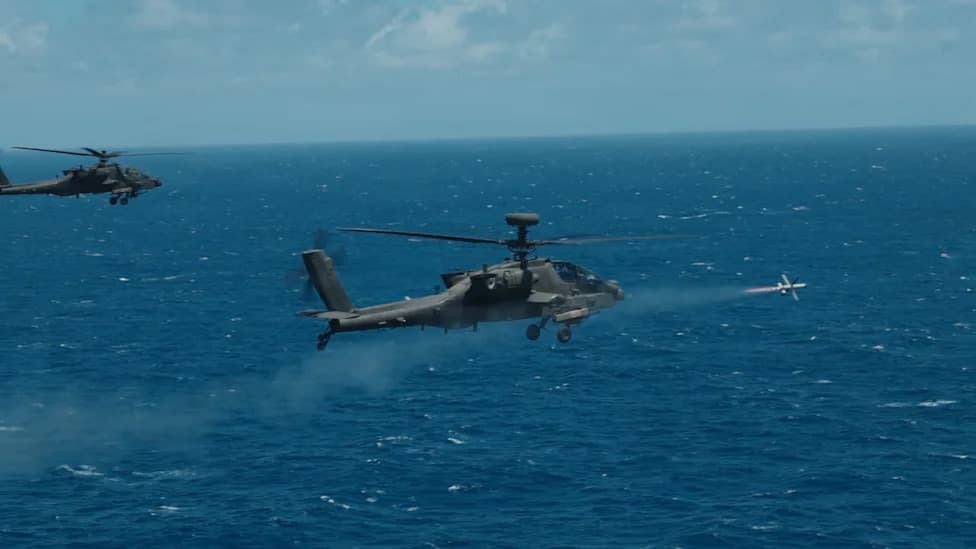
An AH-64 Apache with the 16th Combat Aviation Brigade, 7th Infantry Division, Multi-Domain Command - Pacific, fires a missile on the USS Mobile Bay.
During the Rim of the Pacific (RIMPAC) 2026 multinational exercise, U.S. and allied forces conducted two sinking exercises (SINKEX) that sent the decommissioned USS Peleliu and USS Mobile Bay to the bottom of the Pacific Ocean.
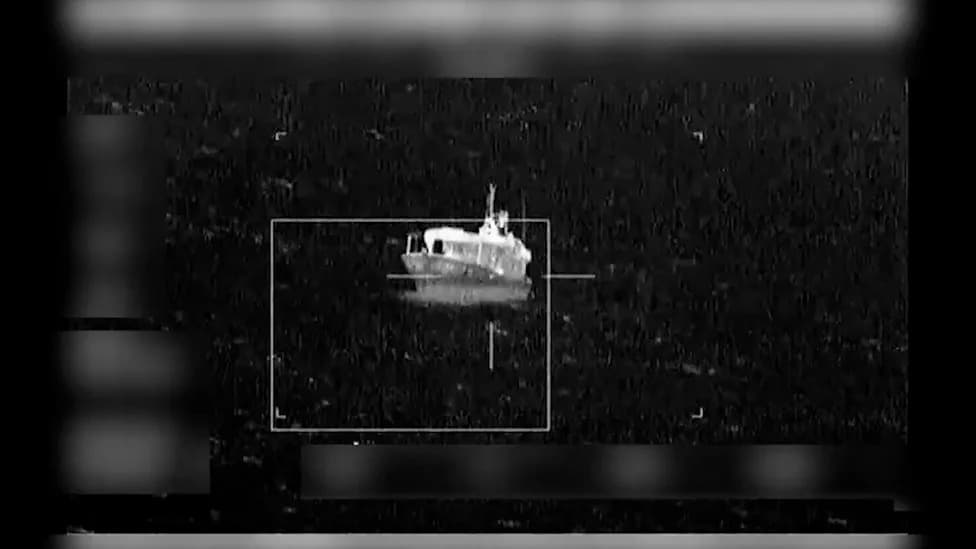
Units from the United States and partner nations — including Canada, New Zealand, Australia, Spain, Italy and Japan — engaged the retired vessels on July 11 (USS Peleliu) and July 17 (USS Mobile Bay). Video released by U.S. 3rd Fleet shows both ships struck above and below the waterline, with explosions and towering plumes of fire and water at impact points.
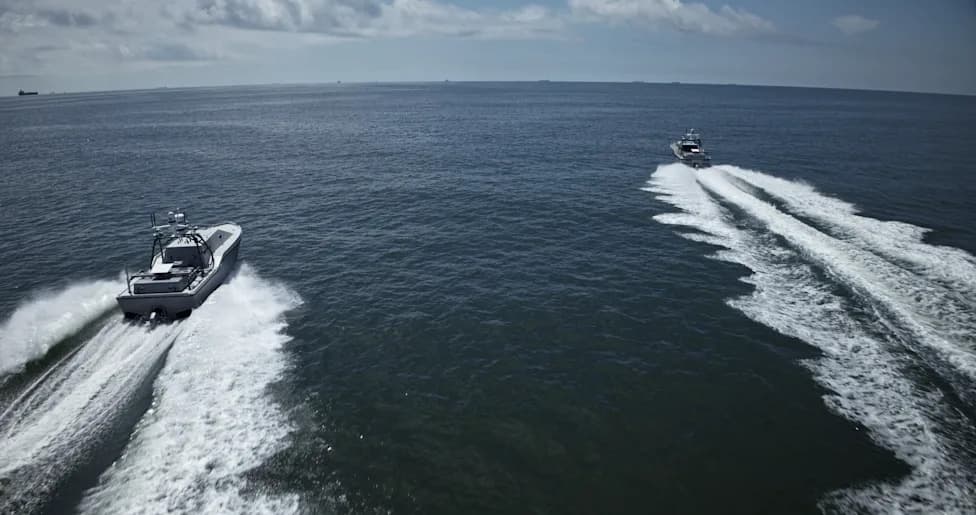
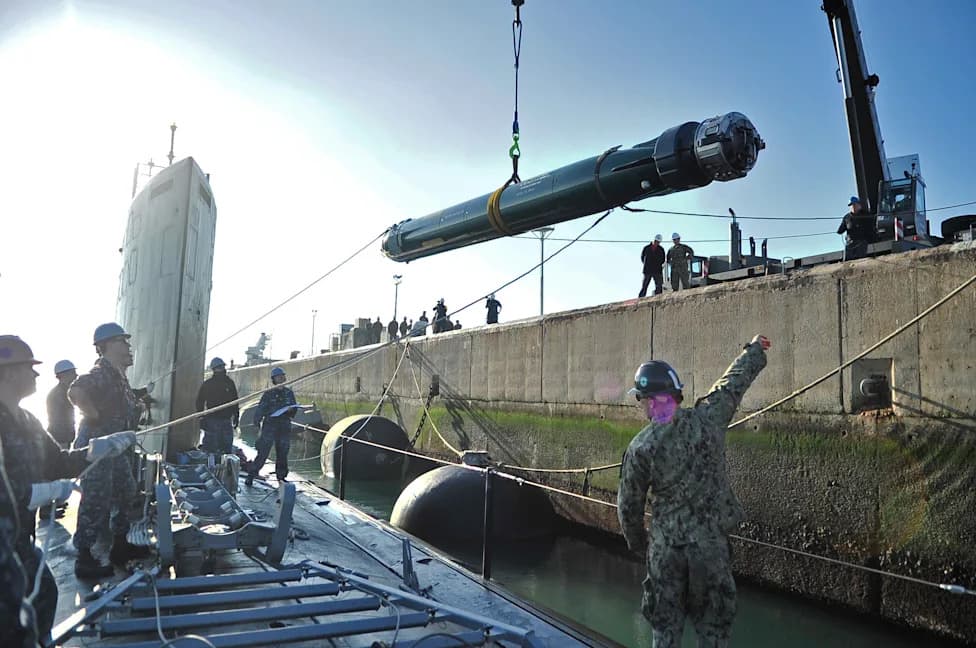
The strikes occurred more than 50 nautical miles off the Hawaiian island of Kauai. The U.S. contribution included Army, Navy and Air Force elements: AH-64 Apache helicopters fired Spike Non-Line-Of-Sight (NLOS) missiles at USS Mobile Bay, while Navy units employed multiple one-way, surface-attack drones to strike USS Peleliu.
These maritime one-way attack drones have been used extensively in Ukraine’s conflict and, according to public reports, the U.S. recently used similar systems in combat operations against Iranian targets. The 3rd Fleet said the SINKEX events give participating forces the opportunity to gain "proficiency in tactics, targeting and live-firing against a surface ship at sea."
"SINKEXs are a prime example of the strength and readiness our partnerships create," said Vice Adm. Jeff Jablon, Commander, Combined Task Force and RIMPAC 2026.
Ship Histories and Context
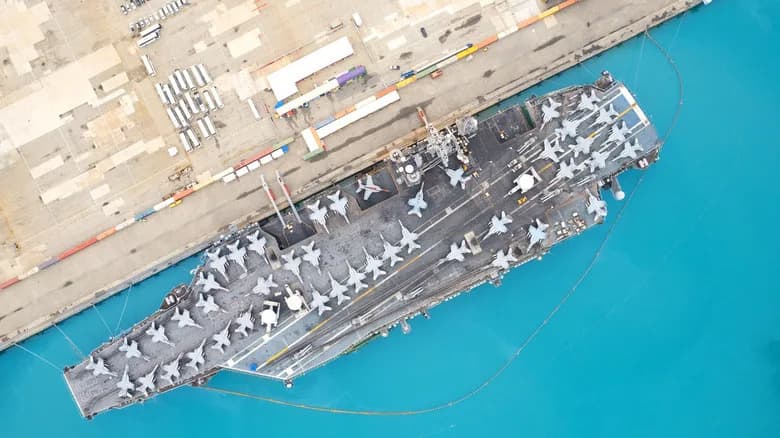
The USS Peleliu was a Tarawa-class amphibious assault ship, commissioned in 1980 and decommissioned in 2015. During her service she supported operations in Somalia during the 1990s, transported troops to Afghanistan and provided support in Iraq.
The USS Mobile Bay was a Ticonderoga-class guided-missile cruiser that served from 1987 until 2023. She deployed frequently in the Pacific for humanitarian and peacekeeping missions, supported operations in Iraq and participated in prior RIMPAC exercises, including RIMPAC 2022.
A U.S. Navy official told Task & Purpose this is the second time a Ticonderoga-class cruiser has been used as a SINKEX target; the earlier USS Valley Forge (decommissioned in 2004) was sunk in a 2006 exercise. The July sinkings follow the recent sinking of the Austin-class amphibious transport dock USS Juneau during the Valiant Shield exercise, where a B-2 Spirit bomber fired an AGM-158C Long Range Anti-Ship Missile (LRASM) — the first publicly announced B-2 employment of that munition.
Beyond creating training value by allowing forces to engage a major surface target outside of combat, SINKEX events are regularly used to test new weapons, platforms and tactics under realistic conditions.
RIMPAC 2026 involves more than 30,000 personnel from about 30 nations and is scheduled to conclude on July 31.
Help us improve.