Families in Taiz are being pushed into homes on an urban front line because soaring rents and widespread poverty make safer housing unaffordable. Taiz’s terrain and position make it a hotspot for sniper attacks — a UN monitor recorded that 66% of Yemen’s sniper civilian casualties last year occurred there. Humanitarian repairs have helped some, but over 10,000 homes in Taiz were damaged and 4.8 million people remain displaced nationwide, leaving needs far beyond current aid.
Homelessness vs. Snipers: Taiz Families Forced to Live on Yemen’s Urban Front Line
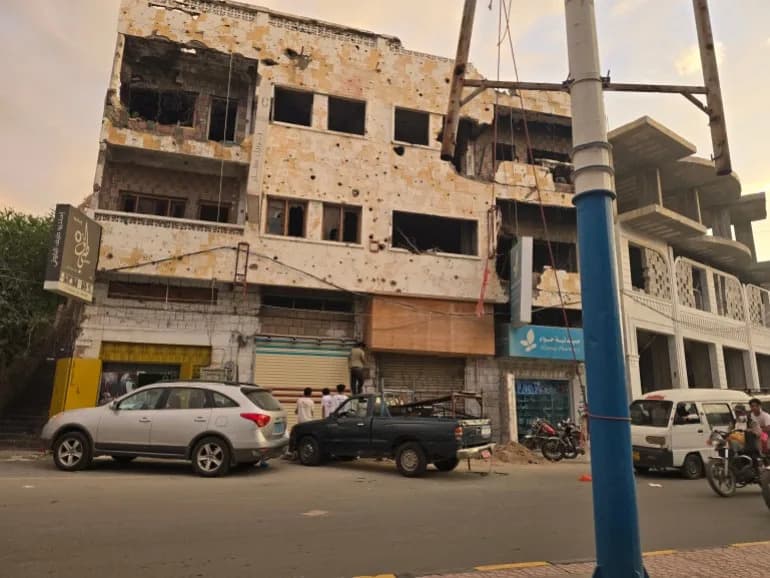
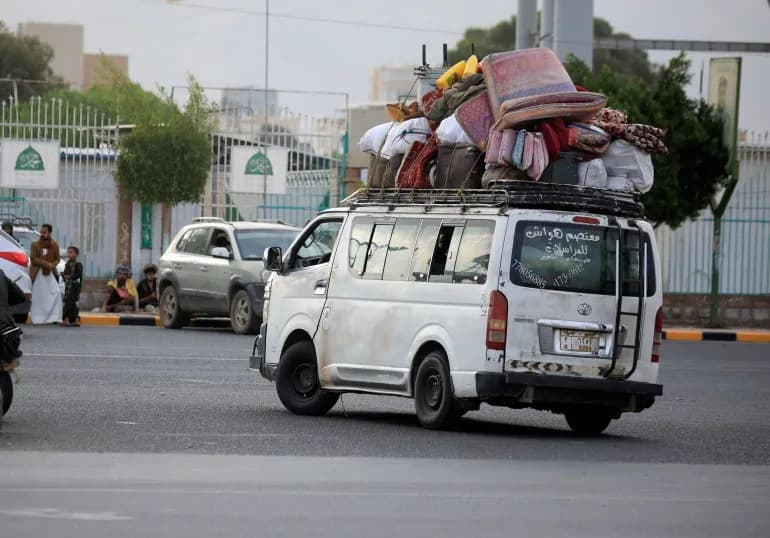
Even in the safe parts of Taiz, damaged homes remain, with the pace of reconstruction in the Yemeni city slow [Al Jazeera]
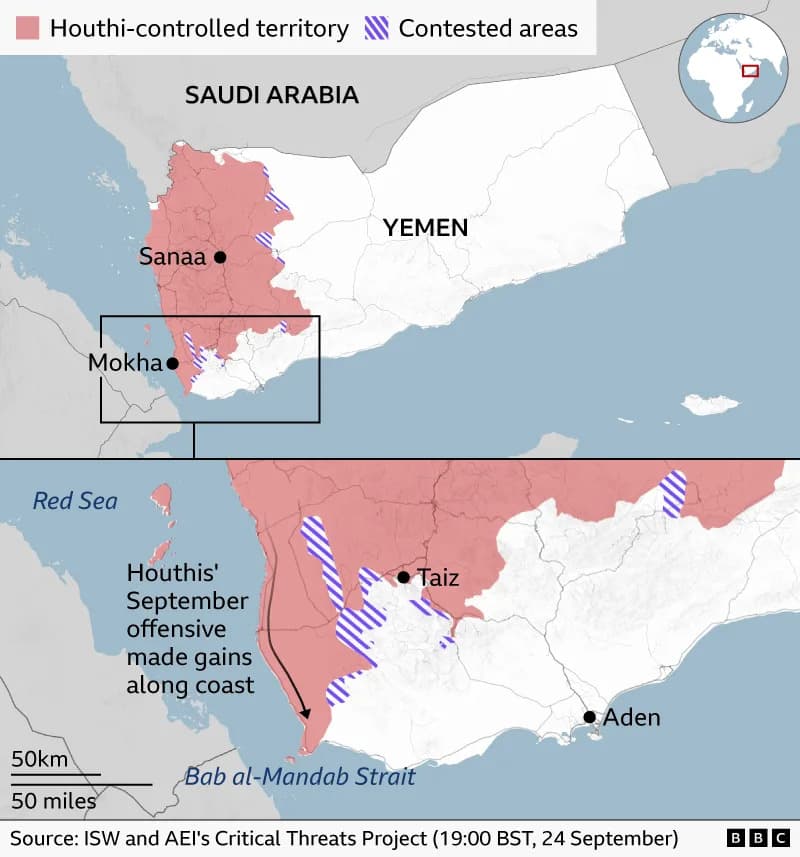
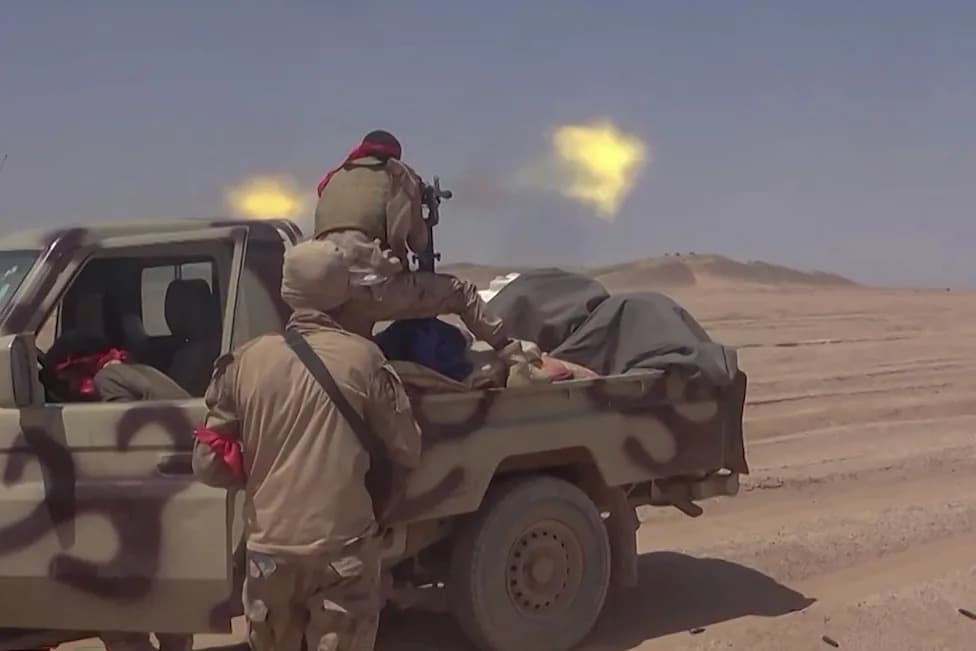
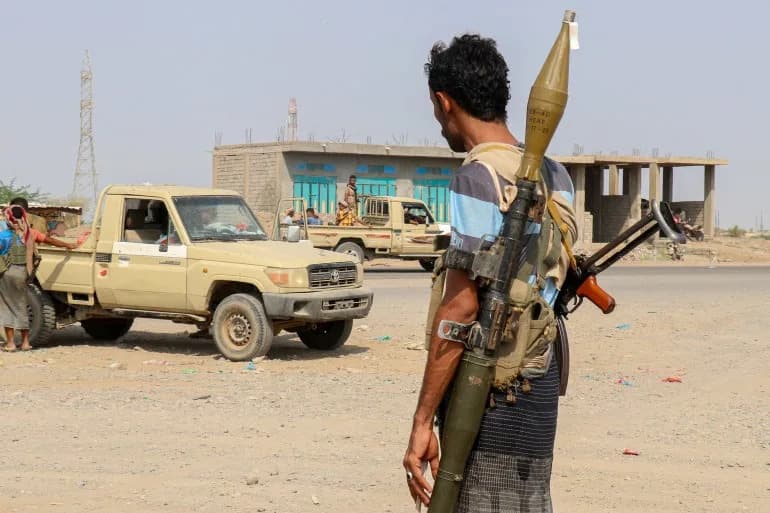
Taiz, Yemen — With rents out of reach and reconstruction stalled, many families in Taiz are choosing to live on the city’s urban front line — a dangerous strip that divides government‑held territory from Houthi areas and exposes civilians to sniper fire and crossfire.
One Family’s Choice
Single mother Um Yousef (a pseudonym) moved her four children into a cheap house near the front line in January 2025 after months of searching and frequent moves. The three‑bedroom market rent in Taiz averages roughly $130 a month; the frontline home she found cost about $13. Two months after moving in, her 11‑year‑old son returned from playing with a gunshot wound to the mouth. He survived after emergency treatment, but the incident illustrated the acute risks residents accept because they have few alternatives.
“There is a huge demand for houses, and all my efforts failed while I was living in a single room with my children,” she said. “It was very difficult to stay in that one room.”
Why Taiz Is Particularly Dangerous
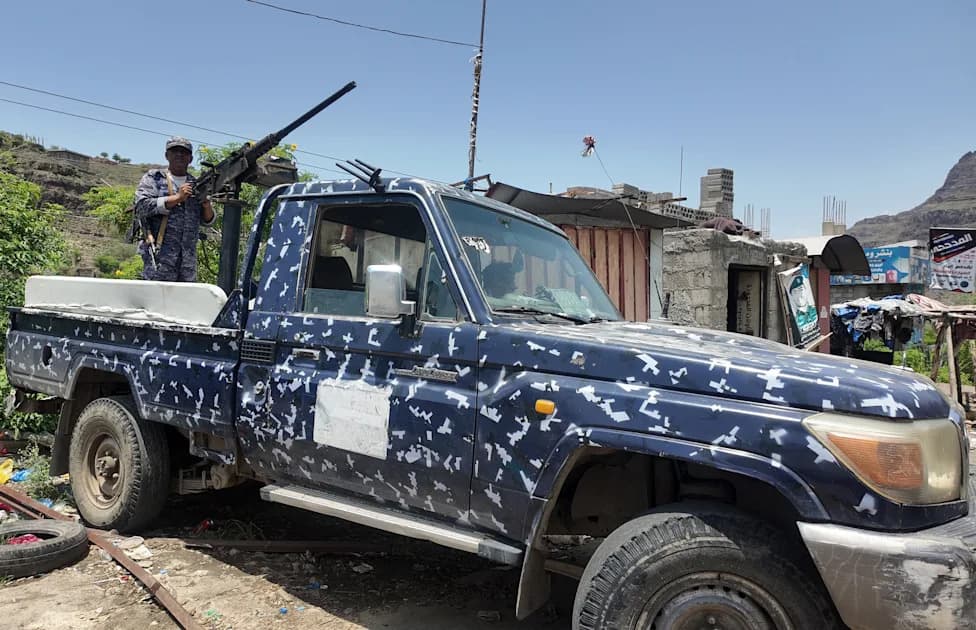
Taiz contains one of Yemen’s few urban front lines. The city’s hilly terrain and a mountain overlooking urban neighborhoods provide many elevated positions that can be used by snipers. A United Nations monitoring project found that 66 percent of all civilian casualties from sniper shootings in Yemen last year occurred in Taiz — 21 documented cases, nine of them children.
Residents report routine, life‑changing adjustments to reduce risk: turning off lights at night in rooms visible from a distance, keeping children away from open spaces and having families play behind houses. For many, these precautions are a daily necessity rather than a choice.
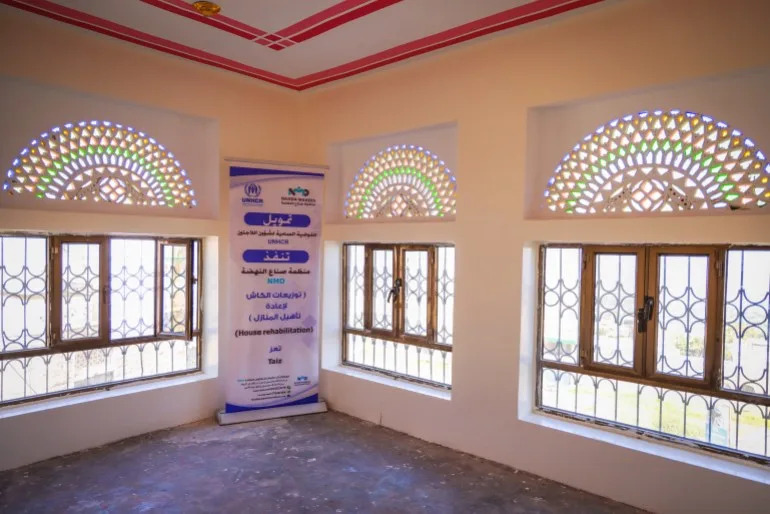
One of the partially damaged houses in Taiz rehabilitated with support from UNHCR and the Nahda Makers Organisation [Courtesy: Nahda Makers Organisation]
Scale Of The Housing Crisis
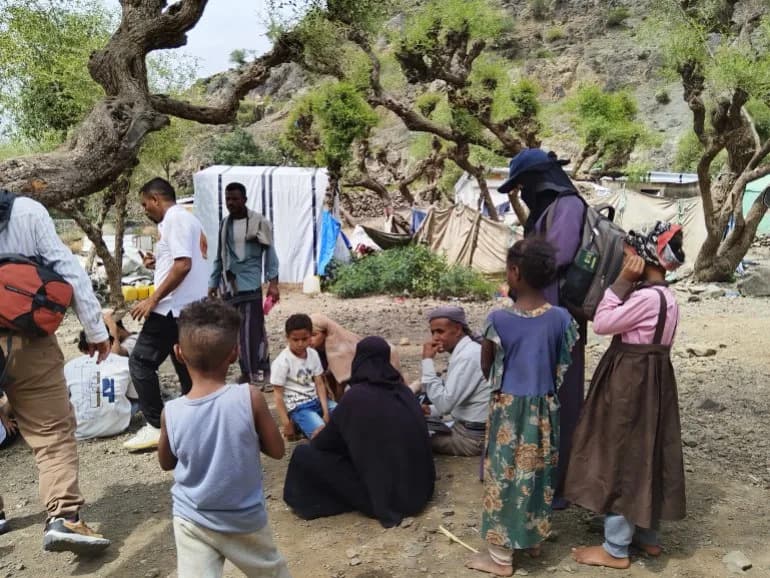
Taiz governorate is Yemen’s most populous, with nearly 4.5 million residents and more than 400,000 internally displaced people, according to Khalid Alwan, director of the local statistics office. Alwan estimates that more than 10,000 houses in Taiz were completely or partially damaged by the conflict, and more remain uncounted in hard‑to‑reach areas. The high cost of reconstruction puts repairs out of reach for most families, even those living in neighborhoods considered relatively safe.
Humanitarian Response And Limits
Humanitarian groups have repaired some homes, but needs far outstrip available aid. The Nahda Makers Organisation (NMO) reports repairing 2,389 houses across Taiz, Lahj, Hodeidah, Aden and Abyan, most of them in Taiz. Support from UNHCR and other agencies has helped a limited number of families return to safer areas, but an estimated 4.8 million displaced people nationally remain unable to return to their homes.
Local residents say economic hardship and soaring rents are driving the trend of living near the front line. Mohammed Saeed, 53, lives rent‑free in exchange for guarding a house close to the line; unemployed, he says he cannot afford safer housing. Another resident, Khalid Abdulhadi, pays rent elsewhere despite owning a home near the front line because he fears returning would put his family at risk.
“We lost everything during this war; our lives are all we have left, so we must protect them,” Khalid said.
Outlook
For now, the choice facing many Taiz families is stark: remain homeless or accept the daily dangers of life on the front line. Until reconstruction and economic opportunities expand, and until front‑line violence subsides, families like Um Yousef’s will continue to weigh safety against survival.
Help us improve.