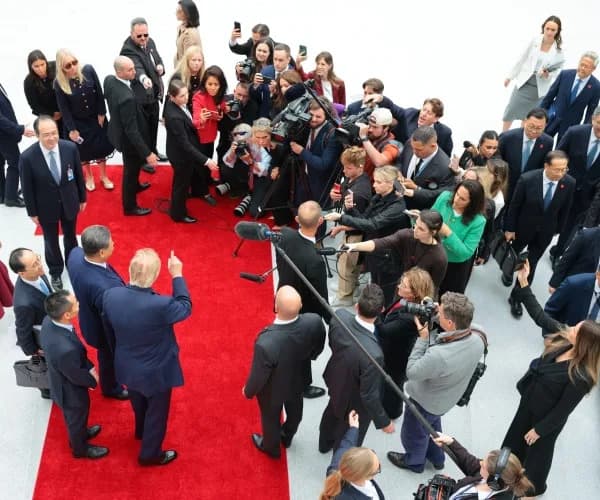
WHCA President Weijia Jiang rejected a viral open letter from more than 500 journalists that urged the association to publicly rebuke President Donald Trump at the White House Correspondents' Dinner. Jiang said the signatories did not consult the WHCA and noted none currently cover the White House, stressing the group's diplomatic role as a bridge to the administration. She argued that private, constructive engagement yields more practical benefits for reporters than public denunciations. The letter — signed by figures such as Jim Acosta and Ann Curry — demanded a forceful public defense of the First Amendment.
WHCA President Pushes Back: 'We Are Not Political' — Responds to Viral Call to Rebuke Trump at Dinner
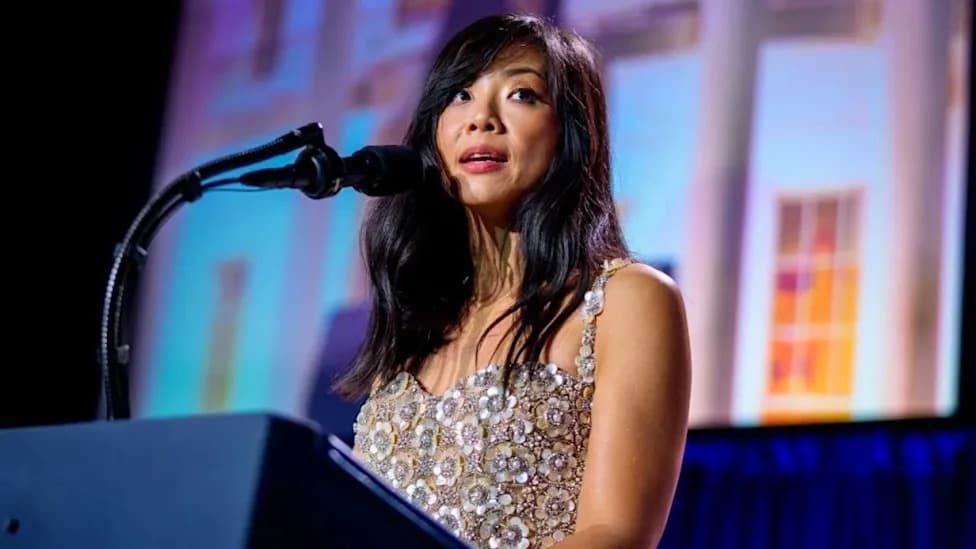
White House Correspondents Association President and CBS Senior White House Correspondent Weijia Jiang (Credit: Andrew Harnik/Getty Images)
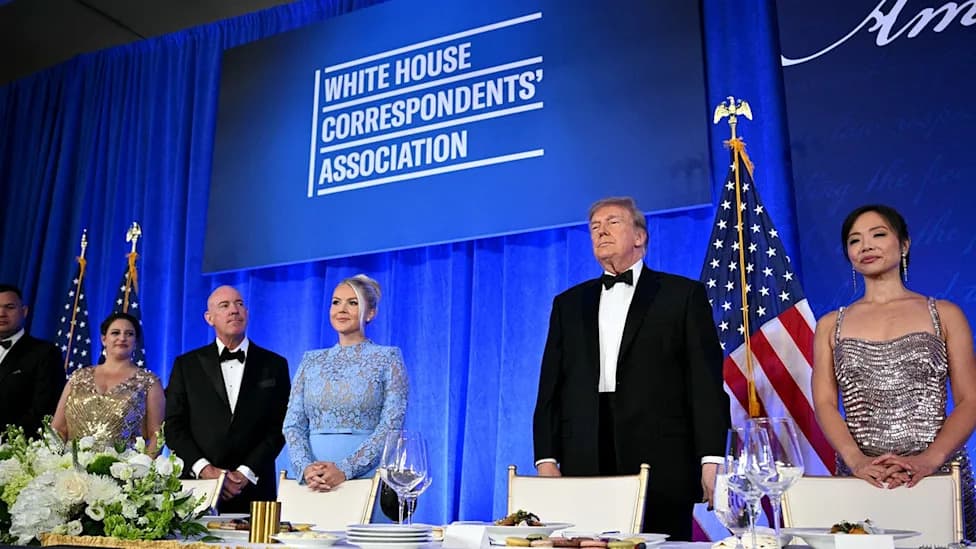
The White House Correspondents' Association (WHCA) President Weijia Jiang pushed back on a viral open letter signed by more than 500 journalists that urged the group to publicly confront President Donald Trump at the White House Correspondents' Dinner.
Speaking to C-SPAN ahead of the rescheduled dinner — postponed after gunshots halted the April event — Jiang called the letter "really disappointing," saying the authors never engaged the WHCA in an "earnest conversation" about their expectations. She also disputed the letter's premise that the WHCA would remain silent, noting that the association has nearly 1,000 members and that none of the 500-plus signatories are current White House reporters.
"I thought it was really disappointing that they didn't reach out and have an earnest conversation with us about what they would like to hear from the association," Jiang said. "None of the people that signed it currently cover the White House... If you truly understand the role of the association, it's a diplomatic role. We are the bridge between the press corps and the administration."
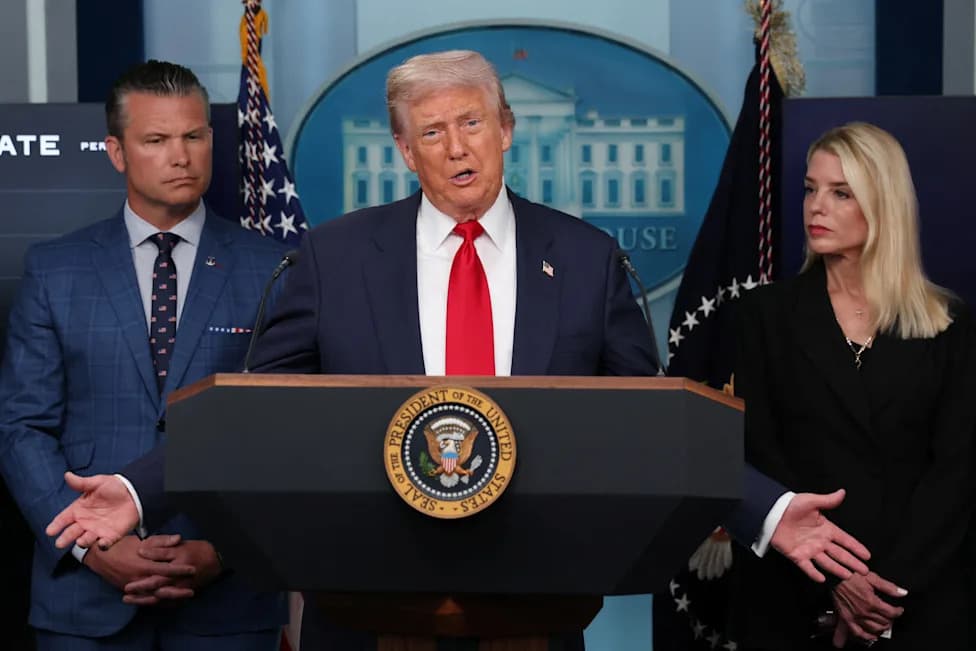
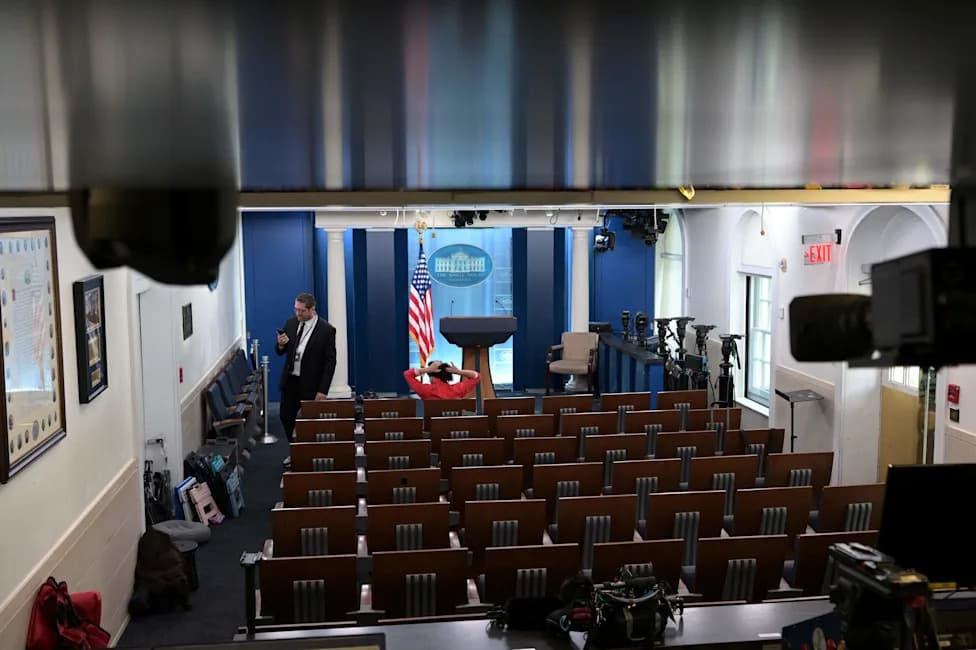
Jiang highlighted the WHCA's behind-the-scenes work as essential to protecting reporters' access and resources. She pointed to the association's "working relationship" with the White House as the reason it retained control over briefing-room assignments, arguing that such practical outcomes benefit journalists more than issuing public denunciations.
"We are not political, and obviously we stand against any actions that are meant to intimidate and threaten and chill free speech, and we have made that very clear," she added. "But again, I don't think issuing strongly worded statements is effective. If you really want to have an impact, I would urge them next time to have an honest conversation with us and be productive and have constructive feedback."
The open letter — signed by veteran journalists including Jim Acosta and Ann Curry — urged the WHCA to "forcefully stand up for freedom of the press in front of the president," publicly defend targeted journalists and pledge to resist what the signatories described as the administration's attempts to undermine the First Amendment.
Jiang's response underscores an ongoing debate within the press community over tactics to defend press freedom: whether symbolic public confrontation or private diplomacy produces better results for reporters' safety, access and the broader defense of the First Amendment.
Help us improve.