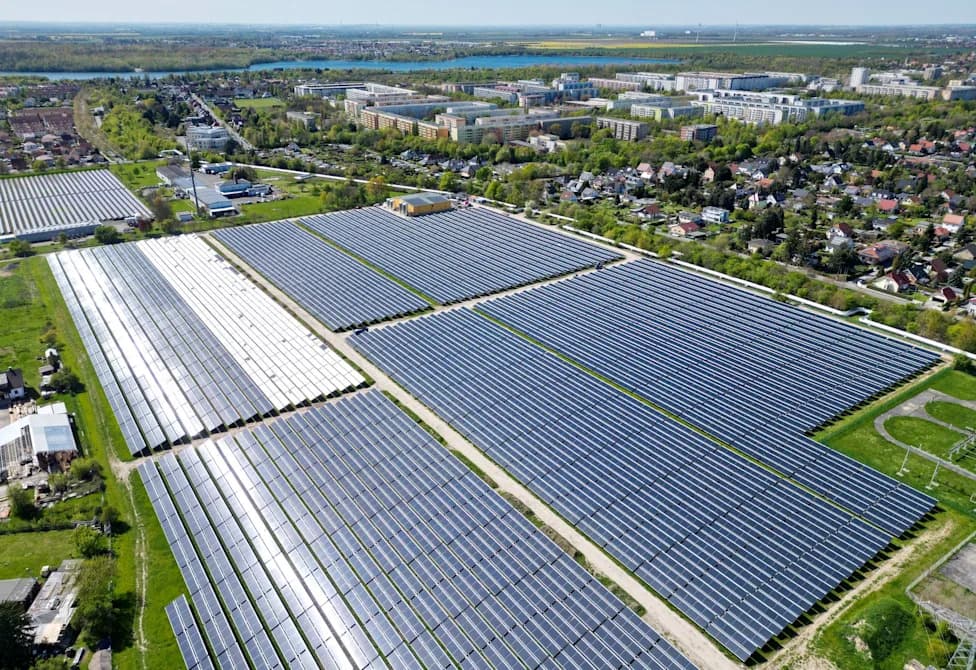
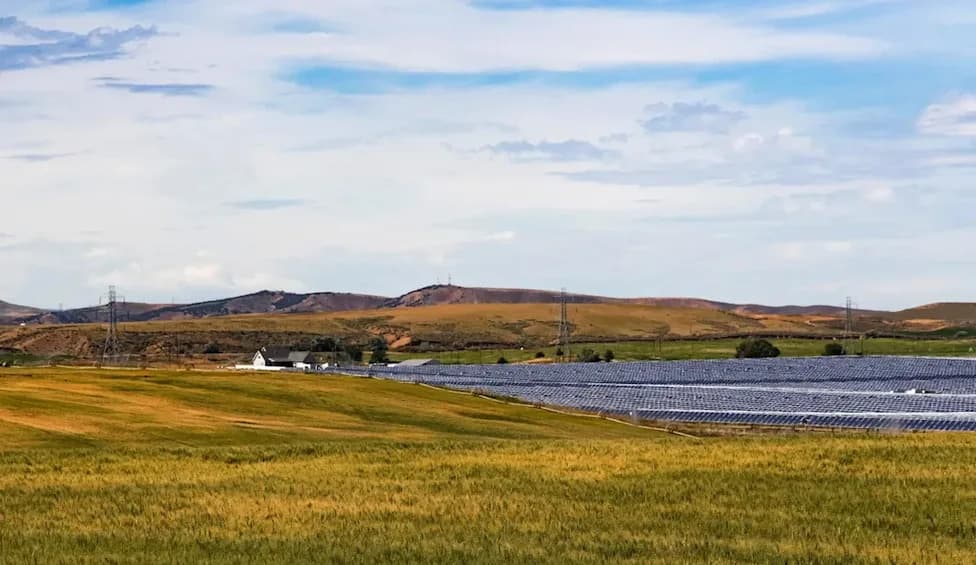
The Department of Energy’s social post highlighted that solar output falls after sunset — a technically accurate but potentially misleading snapshot. Texas’ recent heat wave showed solar’s daytime value: it supplied over one-third of power during peak hours, outproduced natural gas for stretches, and helped charge batteries that set an evening discharge record. The piece argues that selective framing from officials can distort public understanding while policy changes have also constrained renewable deployment.
Yes, Solar Stops at Night — But It Kept Texas' Grid Afloat During the Heat Wave
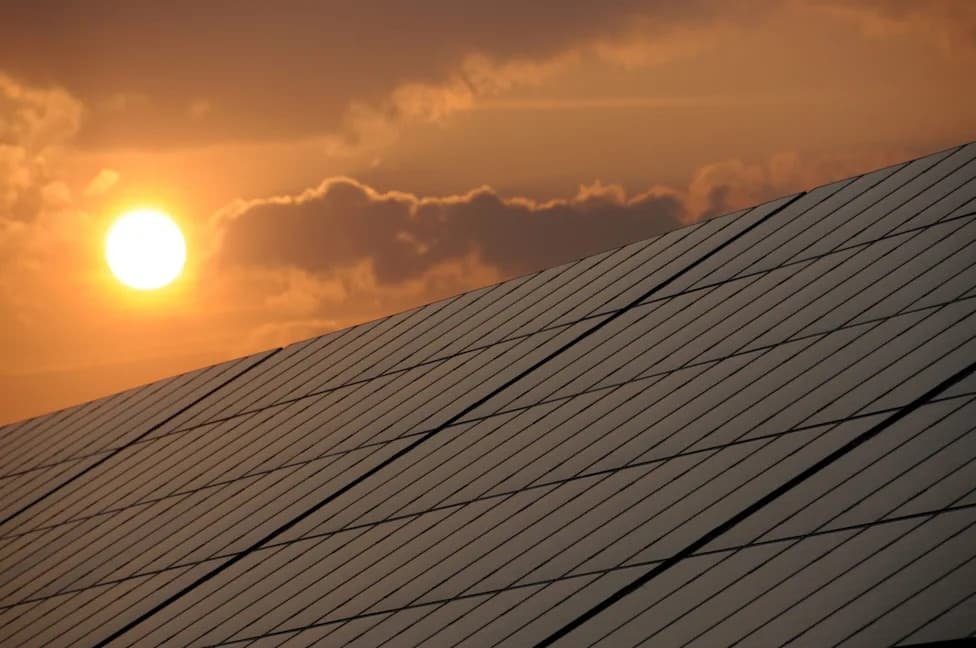
Duh, solar power doesn't work at night — but it excels during the day
Yesterday the U.S. Department of Energy posted a social graphic noting a basic technical point: solar panels produce little to no electricity after sunset. The post framed that routine limitation dramatically, saying that “99% of solar power failed after sunset,” language that risks mischaracterizing a predictable daily pattern as a systemic failure.
That snapshot ignores the hours when the sun is shining. Grid operators plan for solar’s daily cycle and rely on its substantial daytime output. As energy system managers know, solar may not generate at night, but during daylight it often provides large, low-cost volumes of electricity that reduce strain on other resources.
What Happened During the Texas Heat Wave
A recent heat wave in Texas makes the point. Residents cranked up air conditioners and the state’s main grid hit record demand on Tuesday and then again on Wednesday, topping 91 gigawatts. Even under that stress, the system held.
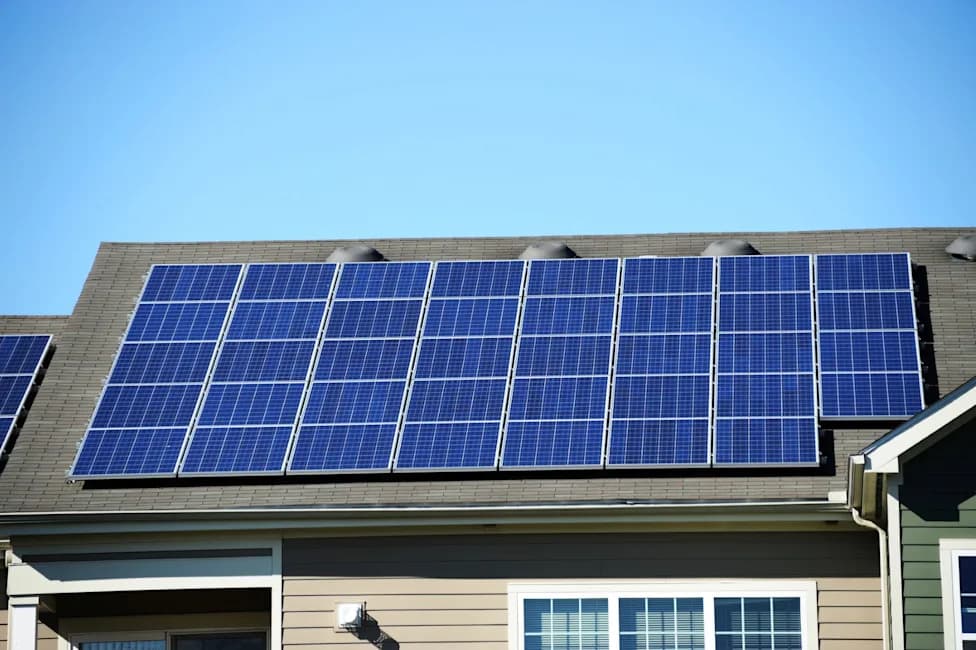
Solar — which Texas has added in large amounts in recent years — played a major role. On Tuesday, for nearly five hours, solar produced more electricity than natural gas. On Wednesday, from just before 9 a.m. until just before 5 p.m. (roughly a full workday), solar supplied more than one-third of the state’s electricity and at times exceeded 40% of total generation.
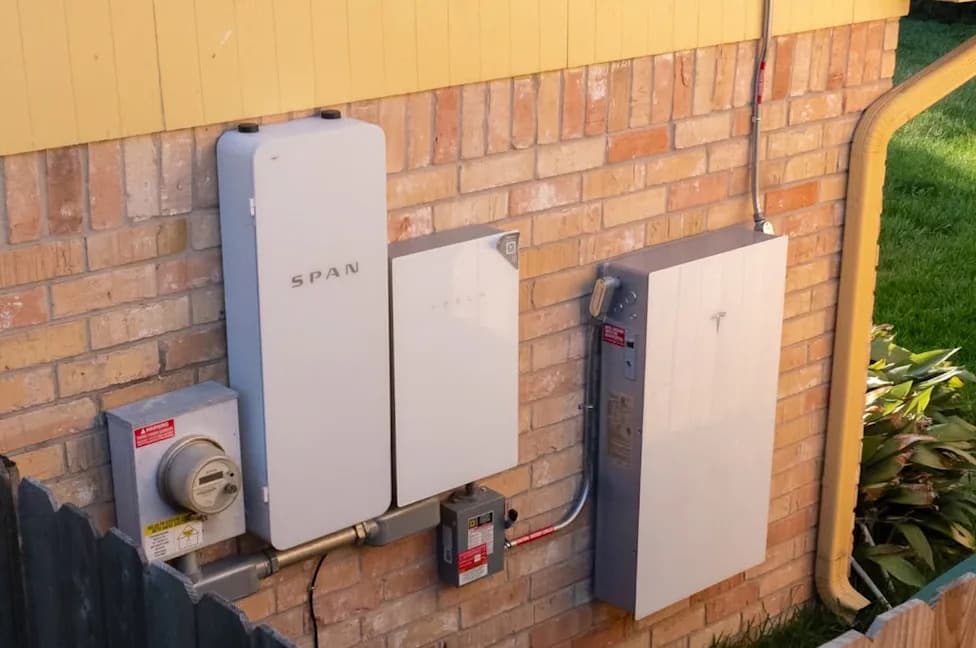
Daytime solar also charged batteries that later discharged after sunset. Those stored resources helped Texas set a new record for battery output Wednesday evening, when demand stayed high even as solar generation fell.
Why Context Matters
To say solar “failed” after sunset is technically true but misleading: it ignores the many hours during which solar reduced peak prices, displaced fossil-fuel generation, and lowered grid stress. A brief, decontextualized statistic can travel far online — particularly when it appears to come from an official source — and shape impressions that don’t reflect how power systems operate.
Search and recommendation systems have already surfaced the DOE graphic: for example, some AI summaries emphasize only that solar “output dropped significantly by sunset” during the heat wave. That narrow framing can amplify criticism of renewables among audiences who never see the fuller picture.
Policy And Practical Impacts
The social post also arrives amid policy changes that have constrained parts of the renewable sector. Recent federal actions have curtailed some incentives and programs that supported deployment and access to rooftop and community solar, slowed permitting for projects, and reduced federal assistance for certain agricultural solar initiatives. Those moves affect how quickly and equitably solar can grow.
Still, solar remains one of the cheapest and fastest forms of new electricity generation to build. It cannot, by itself, be the sole backbone of a reliable grid — no single resource can — but it is a crucial daytime asset. Batteries and other flexibility measures increasingly allow more of that daytime energy to be shifted into evening hours.
We do not live on a dim world: in New York, for example, there are more than 14 hours of daylight today. If more panels were installed to capture that available energy, they would meaningfully reduce daytime demand peaks and downward pressure on prices.
Help us improve.