Spain has confirmed its first death from a locally acquired case of Crimean-Congo hemorrhagic fever after an 84-year-old man from Salamanca died in Madrid. This was the province's second recent locally acquired infection; health teams have begun contact tracing and instructed contacts to monitor their temperature and report symptoms. Authorities urge people to take tick-bite precautions—protective clothing, repellents, and checking people and pets—and for healthcare workers to use proper protective equipment.
Spain Records First Death Linked to Locally Acquired Crimean-Congo Hemorrhagic Fever
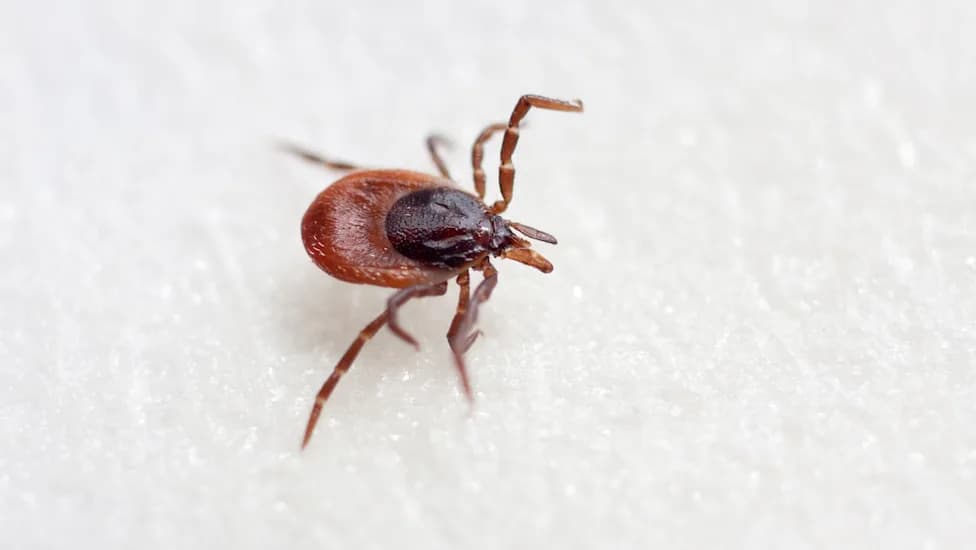
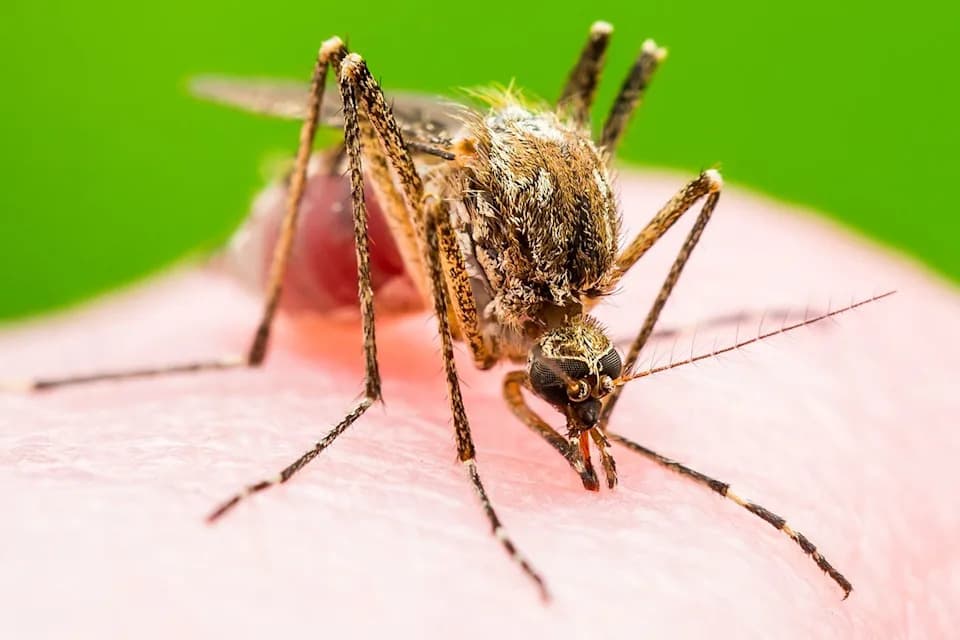
Photo Credit: iStock
Spanish health authorities have confirmed the first fatality tied to a locally acquired case of Crimean-Congo hemorrhagic fever (CCHF), a rare but potentially severe tick-borne viral illness that can also spread through contact with infected blood or bodily fluids.
Regional officials in Castilla y León said the patient was an 84-year-old man from Salamanca. He became the province's second confirmed locally acquired CCHF case after seeking treatment for a tick bite at the Salamanca University Hospital Complex; laboratory testing later confirmed infection with the CCHF virus. The man was transferred to Gómez Ulla Hospital in Madrid, where he subsequently died.
Health teams have traced the patient’s contacts and instructed them on monitoring and follow-up measures. Authorities advised contacts to periodically monitor their body temperature and report any changes to their designated epidemiologist, and to seek medical care promptly if symptoms develop.
What Is CCHF?
Crimean-Congo hemorrhagic fever is caused by a virus most commonly transmitted by bites from Hyalomma ticks. It can also spread through direct contact with the blood or other bodily fluids of an infected person, which poses a particular risk to unprotected healthcare workers and caregivers. Symptoms can begin suddenly and range from fever, severe headache, muscle and joint pain, to nausea and, in severe cases, bleeding and organ failure.
Why This Matters
The confirmation of a second local infection followed by a death has underscored the importance of early testing, strict infection-control measures in hospitals, and rapid contact tracing to limit further spread. Public health teams are emphasizing vigilance during tick season as climate and ecological changes have expanded tick activity in parts of Europe.
Prevention and Advice
- Wear long sleeves and long trousers and stick to marked paths when walking in countryside or grassy areas.
- Use EPA- or EU-approved insect repellent on skin and on pets; treat clothing and gear with permethrin where appropriate.
- Carefully check clothing, skin and pets after outdoor activity and remove any attached ticks promptly and safely.
- Seek medical attention if you develop fever or other symptoms after a tick bite or outdoor exposure.
- Healthcare workers should use appropriate personal protective equipment when caring for suspected CCHF patients.
Authorities note: While CCHF remains uncommon in Spain, prompt diagnosis, infection control and contact monitoring are essential to protect public health.
Help us improve.