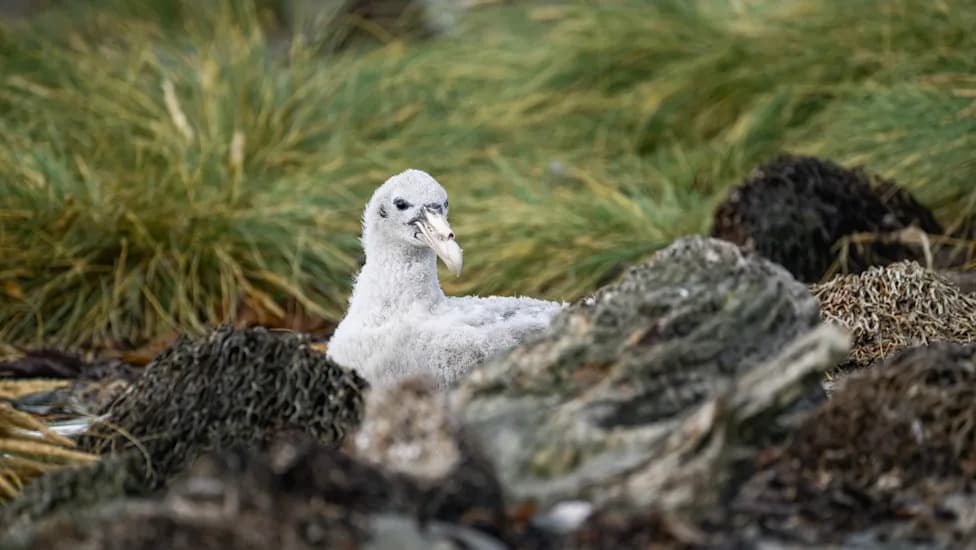
Two sub‑Antarctic seabirds — a Kerguelen petrel and a grey petrel — were photographed alive offshore Port Macquarie, marking the first confirmed "live at sea" records for these species in New South Wales. Experts say the sightings fit a broader pattern of cold‑water seabirds moving north, possibly driven by food shortages and warmer Southern Ocean temperatures linked to climate change. The birds showed no signs of H5 bird flu, and scientists will monitor whether these appearances are temporary or signal longer‑term range shifts with wider ecological implications.
Rare Sub‑Antarctic Petrels Photographed Off New South Wales as Warmer Seas Push Birds North
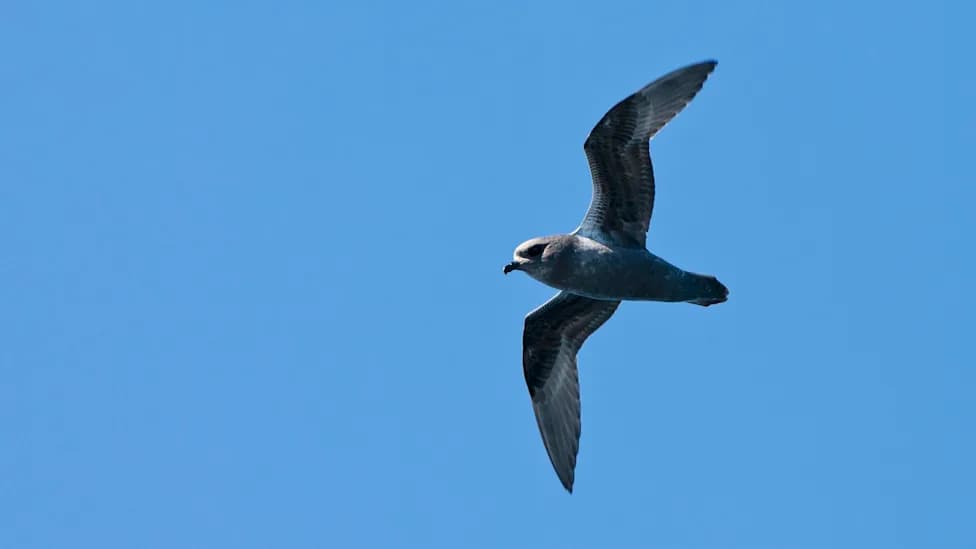
Photo Credit: iStock
Two sub‑Antarctic seabirds — a Kerguelen petrel and a grey petrel — were photographed alive offshore from Port Macquarie, New South Wales, in a notable first for state records of these species at sea. The sightings, captured by wildlife photographer James Bennett, delighted local birdwatchers and prompted experts to consider whether warming oceans and shifting food supplies are altering seabird movements.
Unprecedented Live Sightings
BirdLife Australia's Mick Roderick, who sits on the New South Wales Ornithological Records Appraisal Committee, called the photographs "irrefutable." What sets these records apart is that both birds were observed alive at sea rather than as rare beach finds. Previously, the committee had only two state records for these species — a grey petrel found ashore at Ballina in 1985 and a Kerguelen petrel found ashore at Callala Bay in 2016.
Possible Climate‑Related Drivers
Monash University ornithologist Rohan Clarke told the Australian Broadcasting Corporation that the observations fit a broader pattern of cold‑water seabirds appearing well north of their usual ranges, with some reports reaching central Queensland. Bird experts suggest several likely causes.
Roderick said the birds may have been "pushed north due to a lack of food availability in the Southern Ocean." Australian National University climatologist Janette Lindesay added that unusually warm sea surface temperatures can amplify and modify storm systems — "The higher ocean temperatures translate into warmer air temperatures and more moisture evaporating into the atmosphere, giving storm systems more energy as they move through," she explained — which can displace seabirds from their typical feeding grounds.
Health Concerns And Ongoing Monitoring
The sightings coincided with recent detections of H5 bird flu in Australia, mainly in migratory species such as giant petrels. However, experts stressed the Port Macquarie petrels showed no signs of illness and are not being linked to those cases. Wildlife and health authorities continue to monitor avian influenza detections, while researchers track whether these range changes are temporary responses to short‑term conditions or part of a longer‑term shift driven by climate change.
"This is a bird I'll remember for the rest of my life … it was incredible," photographer James Bennett said. Mick Roderick summed up the encounter as "stunningly rare."
Broader Implications
Scientists warn that shifts in seabird distributions can ripple through marine ecosystems, fisheries, coastal monitoring programs and disease surveillance. The birds involved are strong fliers and could return south quickly if conditions improve, but researchers are watching closely to see whether such sightings become less exceptional.
Context: The sightings were reported by the Australian Broadcasting Corporation; authorities and researchers remain engaged in monitoring seabird movements and health.
Help us improve.