The Orlando Sentinel and Miami Herald report that the Florida Fish and Wildlife Conservation Commission used the restricted DAVID driver database to pull records on critics, including filmmaker Brent Fannin (seven checks in Apr–Jun 2025) and activist Katrina Shadix (17 checks, 2023–2025). Records often listed the reason for queries as "Criminal Investigation." The FWC denies misuse and says checks are tied to safety concerns; watchdogs and columnists are calling for proof and warning of possible First Amendment retaliation.
Reports: Florida Wildlife Agency Queried Law-Enforcement Driver Database to Track Critics
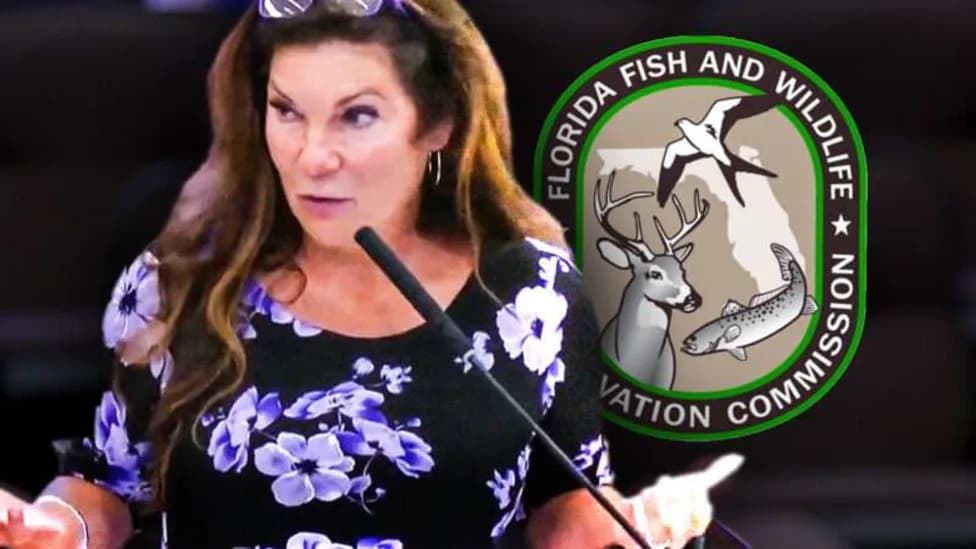
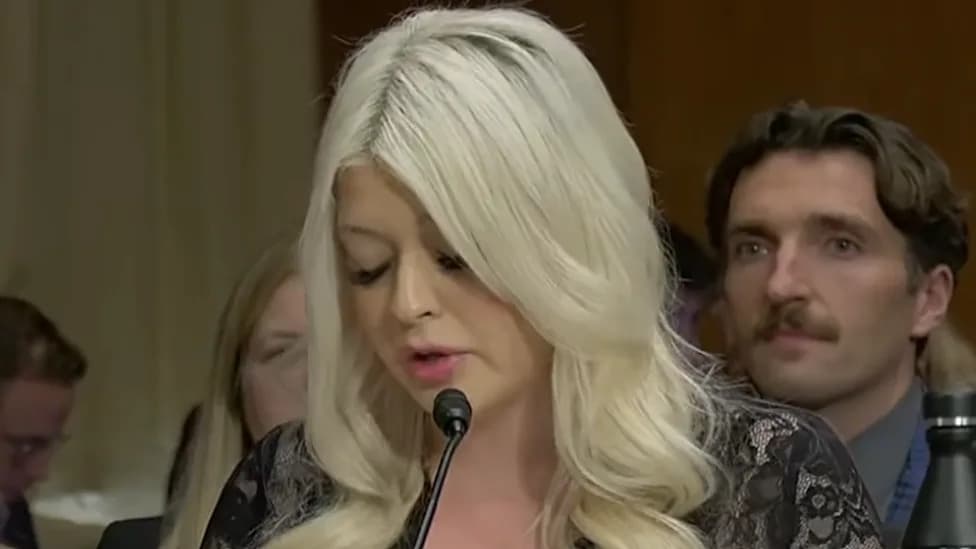
Katrina Shadix | Bear Warriors/YouTube
News reports from the Orlando Sentinel and the Miami Herald say the Florida Fish and Wildlife Conservation Commission (FWC) used the state’s restricted Driver and Vehicle Information Database (DAVID) to pull driving records for more than a dozen people who had publicly criticized the agency. The reporting raises questions about whether the agency used law-enforcement access to monitor critics and whether those searches constituted retaliation against protected speech.
What the reporting found
According to public records cited by the outlets and reporting shared with Reason, two FWC employees accessed documentary filmmaker Brent Fannin’s driving records seven times in April and June 2025 after an anonymous tip suggested the agency was tracking him. The Miami Herald reported that activist Katrina Shadix’s records were accessed 17 times between 2023 and 2025. Veteran reporter Craig Pittman has identified at least 16 environmental activists whose records were queried by the FWC.
The Sentinel noted that many of the database searches occurred on days after critics posted online or spoke publicly against FWC policy. In several entries the listed reason for the query was "Criminal Investigation." One person whose records were accessed is an elected Republican property appraiser who has sued the agency alleging civil-rights and federal-privacy violations.
FWC response and public reaction
An FWC spokesperson told Reason that reporting by the Herald and Sentinel "mischaracterized the FWC Division of Law Enforcement (DLE)" and denied that the agency misuses or "weaponizes" its law-enforcement authority. The statement added that "DLE staff do not access Driver and Vehicle Information Database (DAVID) records for all attendees before public meetings" and stressed that threats against officers, staff and commissioners are taken seriously.
The agency declined to disclose whether those named—Shadix, Fannin and others—were the subject of specific threat investigations or to provide examples of threats that justified the queries. Government watchdogs, columnists and free-speech advocates across Florida have urged the FWC to provide evidence that the searches were legitimately tied to public-safety concerns.
"We found out that they were illegally accessing our information, and it was these people who have spoken out against their policy and practices," Katrina Shadix told reporters. "They're breaking a federal law to strip us of our constitutional rights, which is crazy."
Context and implications
Commentators placed the episode in a wider pattern of concerns about government scrutiny of critics in Florida. Columnists have called on officials to "prove it" by showing credible justification for each database query. Observers warn that the perception of surveillance of dissent could chill constitutionally protected speech and erode public trust in law-enforcement institutions.
The reporting is ongoing, and lawsuits and records requests related to these queries may produce additional information about why the FWC ran the searches and whether they complied with legal limits on DAVID access.
Help us improve.