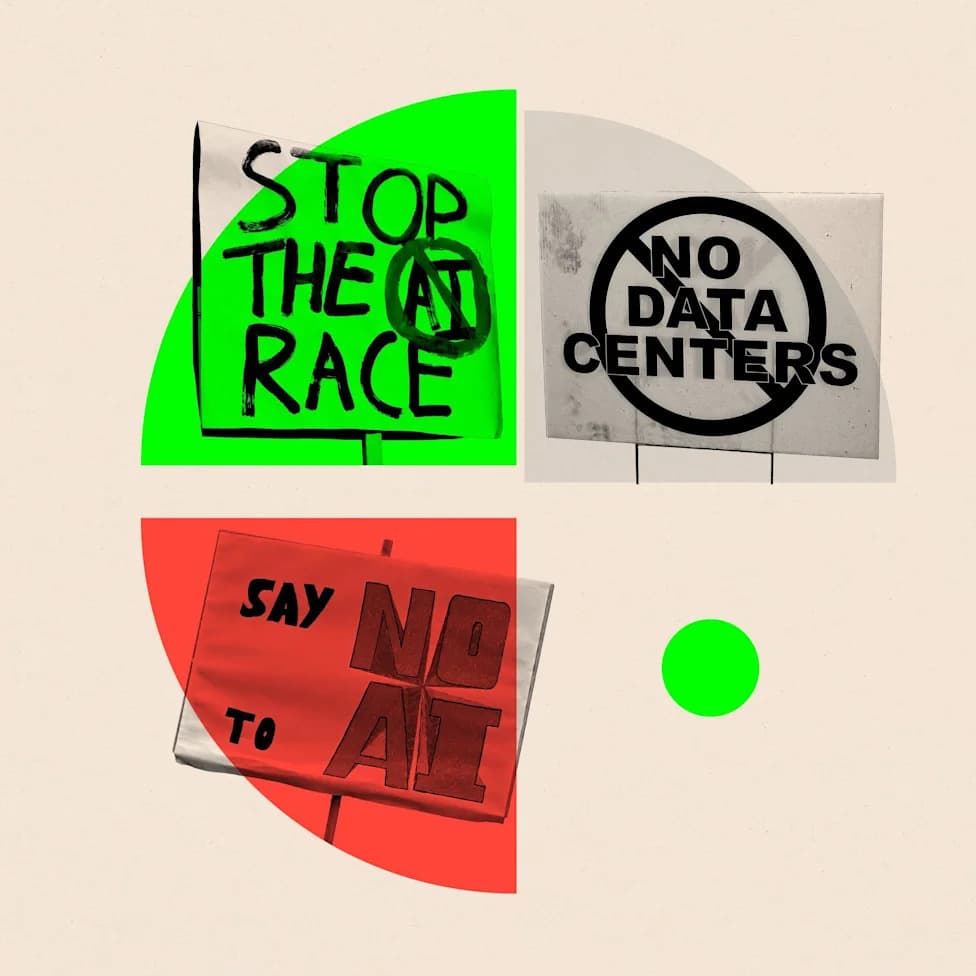
Protests against the physical infrastructure supporting AI went national: HumansFirst organized 142 demonstrations across 42 states to oppose data center projects that demand large amounts of land, power and, in some cases, water. A Reuters/Ipsos poll found only one-third of Americans are satisfied with the pace of data center construction and just 14% would welcome a facility in their community. Activists are calling for greater transparency, enforceable community benefits and stronger environmental safeguards, while industry groups say they are engaging with stakeholders.
Nationwide Backlash: 142 Protests Across 42 States Challenge Data Center–Driven AI Expansion
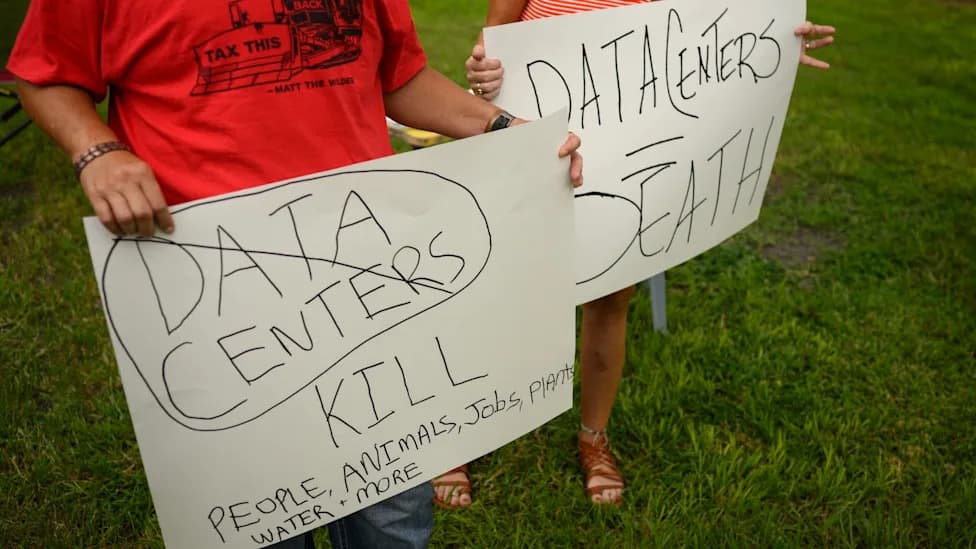
Photo Credit: Getty Images
Opposition to the physical footprint of artificial intelligence went national over the weekend as demonstrators rallied against proposed data centers in 42 states. The campaign, organized by advocacy group HumansFirst, staged 142 demonstrations focused on the land, water and electricity demands of large-scale AI server facilities, Reuters reported.
Why Communities Are Alarmed
Protesters say the rapid pace of data center construction often proceeds with limited public input and inadequate environmental or public-health safeguards. A June Reuters/Ipsos poll cited in reporting found only about one in three Americans are satisfied with the current pace of U.S. data center construction, and just 14% said they would support an AI data center in their own community.
Local Flashpoints
Organizers acknowledged turnout varied by location. Texas hosted the most events (18), followed by Georgia (11) and California (8). In Imperial County, California, a proposed project drew intense scrutiny after Reuters reported it could require roughly 260 million gallons of Colorado River water annually — a figure activists described as alarming.
“It’s dystopian that you would use this much fresh water for AI,”
organizer Ivan DelSol told Reuters.
Voices From the Campaign
HumansFirst leadership framed the protests as a push for accountability. “We were thrilled with the turnout,” Chris Barron, the group's press representative, told Reuters. Co-founder Amy Kremer said residents often feel blindsided by projects that move through planning and permitting processes with little community involvement.
Industry Response And Trade-Offs
Industry groups say they are engaging with communities and regulators. “The data center industry is continuing to work with policymakers, stakeholders, and residents to ensure data centers strengthen, not strain, the areas where they operate — while mitigating any negative impacts to households and businesses,” Josh Levi, president of the Data Center Coalition, told Reuters.
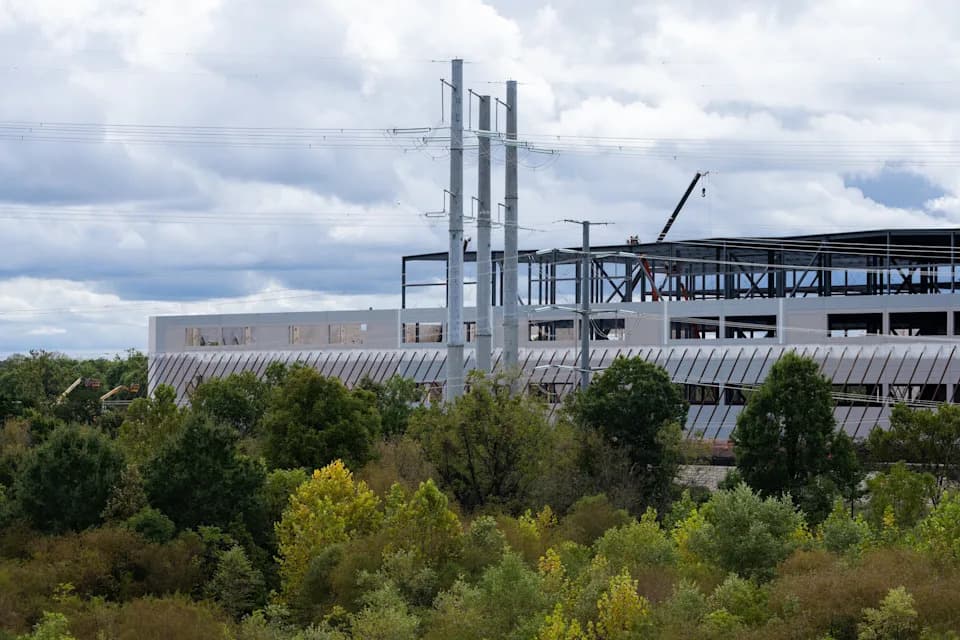
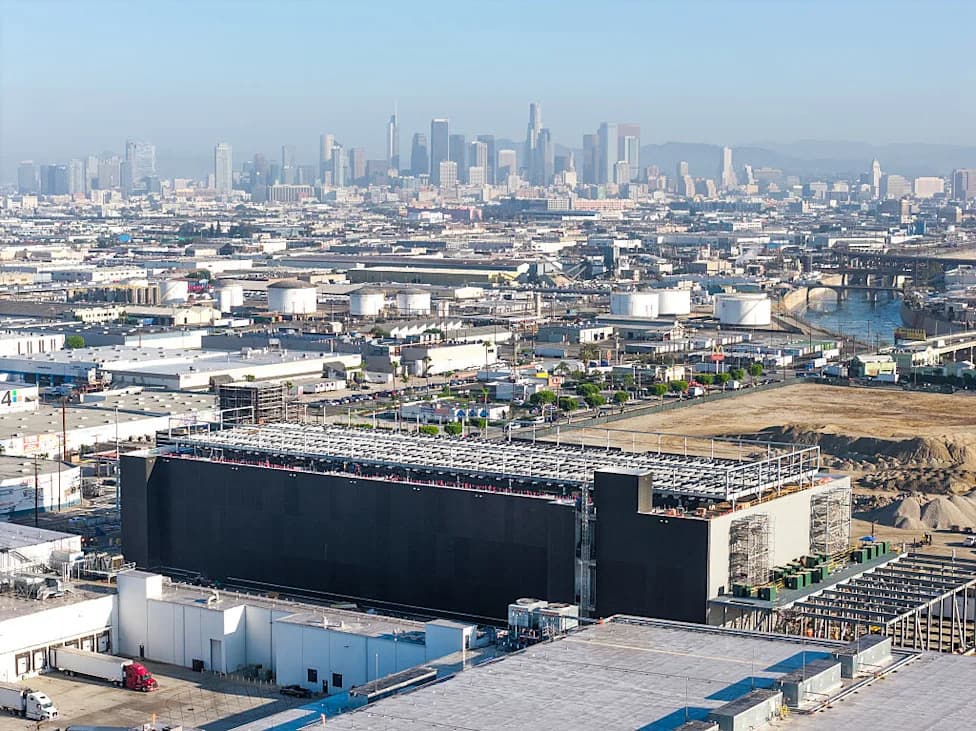
Data centers are a physical necessity for many AI services and can consume substantial electricity and, in some designs, water for cooling. Proponents note AI could also help utilities forecast demand, manage outages and integrate renewables. Opponents worry expansion can strain local grids, increase water consumption, raise security and misuse concerns, and ultimately affect household energy costs if infrastructure expenses are passed to ratepayers.
What Protesters Want
Rather than advocating a single policy prescription, coalition members are calling for a more transparent development process, stronger environmental and public-health safeguards, enforceable community benefits such as well-paying union jobs, and mechanisms to hold developers accountable. For many newer activists, the goal was to shift the approval process by making local voices heard early and visibly.
“I’ve been hearing about unregulated AI and the rapid growth was alarming me,” Eva Cardona, an activist from Tyler, Texas, told Reuters. “I wanted to do something more hands-on than just your standard Facebook post.”
Help us improve.