Seven Indigenous members of the U.N. Expert Mechanism on the Rights of Indigenous Peoples finalized a 12-point roadmap urging the U.N. and national governments to take urgent action to protect Indigenous lands, rights and lives. Recommendations include protections for isolated communities, language preservation, Indigenous data sovereignty and legal recognition of Indigenous rights separate from general human rights. Delegates warned that EMRIP and other Indigenous-focused U.N. mechanisms face a funding shortfall — the Voluntary Fund has under $2 million with just eight contributing countries, and the U.S. contributes to neither fund. Leaders also stressed the need for greater participation and leadership by Indigenous women and full implementation of the U.N. Declaration on the Rights of Indigenous Peoples.
Indigenous Leaders Deliver 12-Point Roadmap to the U.N. — Urgent Protections and Warning of Funding Crisis
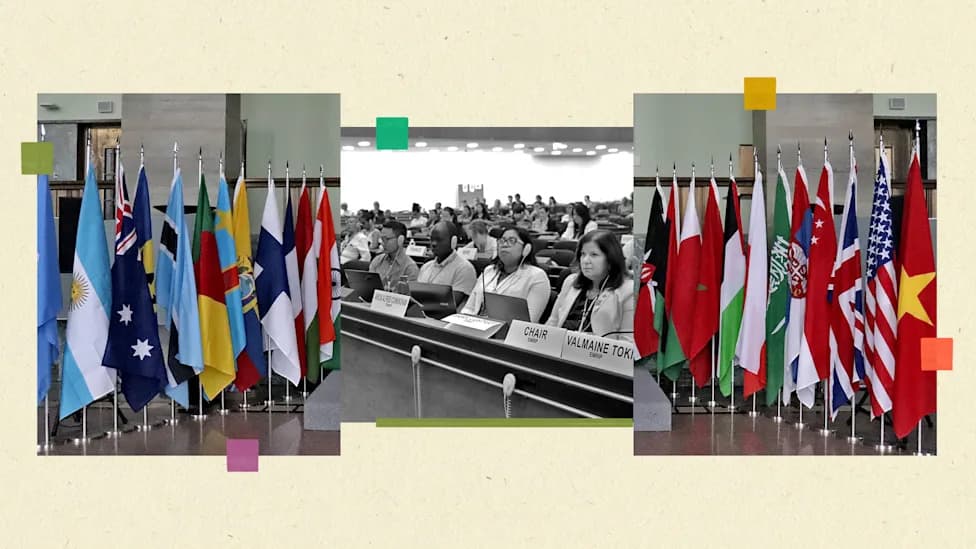
Indigenous leaders from across the globe have presented the United Nations with a 12-point roadmap demanding urgent, comprehensive action to protect Indigenous lands, rights and lives amid intersecting threats such as climate change, violence and the expanding reach of artificial intelligence.
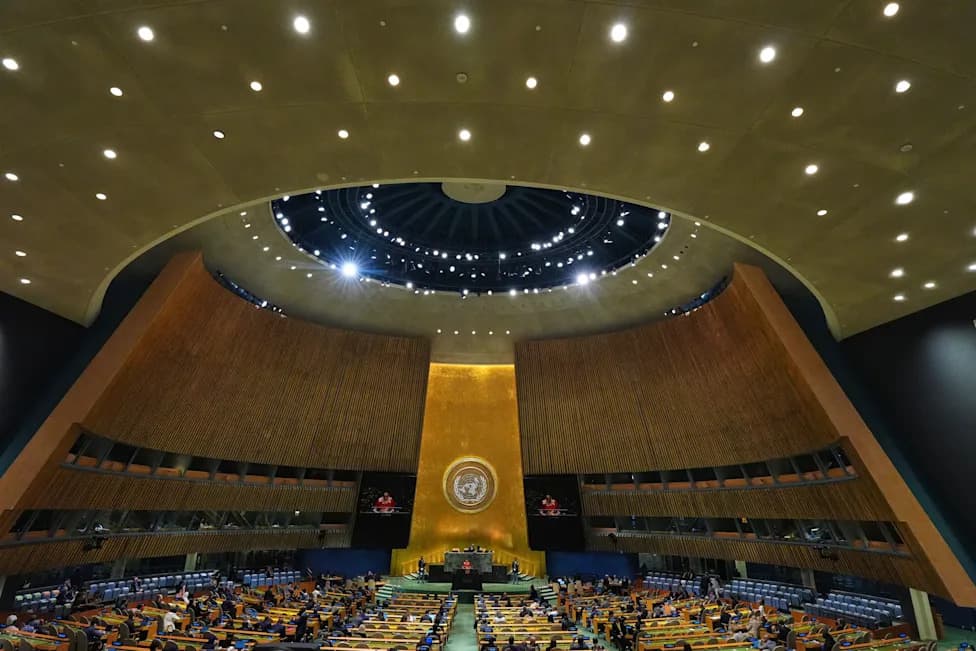
The plan was finalized last week by the seven Indigenous members of the U.N. Expert Mechanism on the Rights of Indigenous Peoples (EMRIP) and is set to be tabled at the U.N. Human Rights Council. Its recommendations call for swift, wide-ranging measures by the U.N. and national governments to strengthen protections for Indigenous communities and to elevate Indigenous voices in international decision-making.
What the Roadmap Calls For
The recommendations span legal, cultural and institutional reforms. Key proposals include enhanced protections for Indigenous peoples living in voluntary isolation or initial-contact situations, stronger preservation and revitalization of Indigenous languages, and a reaffirmation of Indigenous data sovereignty — the right of Indigenous peoples to govern data about their communities, territories and knowledge.
Delegates urged that Indigenous rights be recognized as distinct legal rights — not merely subsumed under general human rights — and called for full implementation of the U.N. Declaration on the Rights of Indigenous Peoples. The proposal also recommends increased Indigenous participation within the Human Rights Council and more sustained engagement by states with EMRIP.
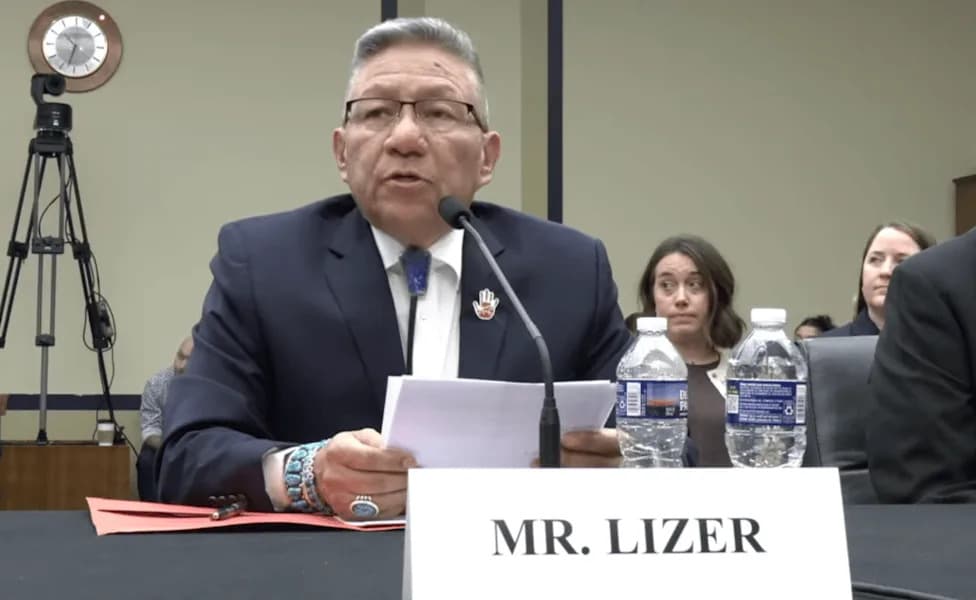
"Our communities — our women, our children, our families — they have a right to action and that's what we're not seeing globally," said Cora McGuire-Cyrette of the Bingwi Neyaashi Anishinaabek, speaking for the Ontario Native Women's Association. "We're looking for action."
Sheryl Lightfoot, an Anishinaabe and EMRIP's North America expert, stressed the scale of work ahead: "There's clearly no shortage of work." Albert Barume, the U.N. special rapporteur on the rights of Indigenous peoples and former EMRIP chair, warned of a pattern of "stagnation and regression" in state protections for Indigenous rights.
Macy Duxfield, Māori (Ngaa Rauru, Te Ātihaunui-a-Papārangi, Ngāi Tahu), criticized regressive policies in Aotearoa New Zealand while underscoring continuity and responsibility across generations: "We exist in this moment. We've inherited the work from our ancestors, and we pass it on to our descendants."
Funding Threatens Indigenous Representation
Even as EMRIP advances its recommendations, delegates warned that the fora and funds that amplify Indigenous voices are under threat. EMRIP is one of three U.N. mechanisms focused on Indigenous peoples — along with the U.N. Permanent Forum on Indigenous Issues and the special rapporteur's mandate — and all face operational uncertainty amid dwindling financial resources and agency-wide reforms known as UN80.
Marjolaine Étienne, Innu from Pekuakamiulnuatsh (Mashteuiatsh, Quebec), called for stronger backing for the U.N. Voluntary Fund for Indigenous Peoples, which helps cover travel and participation costs for Indigenous delegates. Currently just eight countries contribute to that voluntary fund, which has a budget under $2 million. Only three countries contribute to the U.N. Trust Fund for Indigenous Peoples, and the United States does not contribute to either fund.
"The liquidity crisis must not be used as an excuse to limit the mandate of EMRIP and to reduce the frequency or depth of country engagements or follow-up," McGuire-Cyrette said, echoing widespread concern that funding shortfalls would sideline Indigenous voices from international forums.
Lightfoot acknowledged uncertainty about the implications of UN80 for Indigenous-specific mechanisms but said EMRIP is preparing for possible changes: "There are a lot of unanswered questions right now... but we are thinking it through because we want to be ready to respond."
The EMRIP members' 12-point roadmap aims to sharpen global attention on substantive protections and institutional support, even as the mechanisms that elevate Indigenous perspectives contend with funding and structural pressures.
This story is published through the Indigenous News Alliance and was originally reported by Grist with the headline "Indigenous leaders give the UN a roadmap for protecting their peoples" on Jul 24, 2026.
Help us improve.