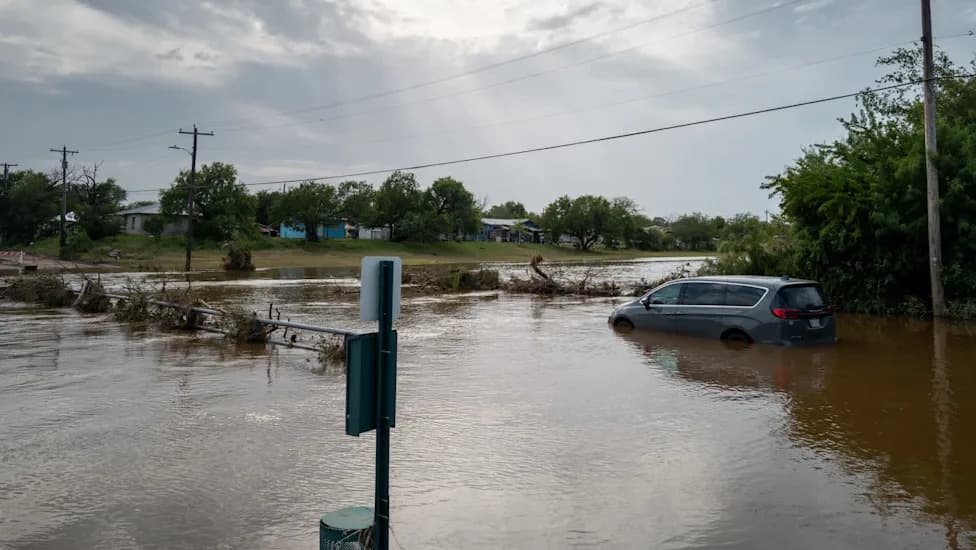
The Urban Institute reports that Native communities suffered about $4.4 billion in disaster damage over the past decade but received only $810 million in FEMA recovery aid. More than half of these communities faced multiple presidential disaster declarations since 2016, often in rapid succession, amplifying economic and environmental harm. Structural factors—poverty, isolation, health disparities and weak infrastructure—raise per-capita losses in Indian Country. The report highlights tribal mitigation successes, such as the Lummi Nation and White Mountain Apache Tribe, as models to improve preparedness and access to federal aid.
Native Communities Suffered $4.4B In Disaster Losses — FEMA Provided Only $810M
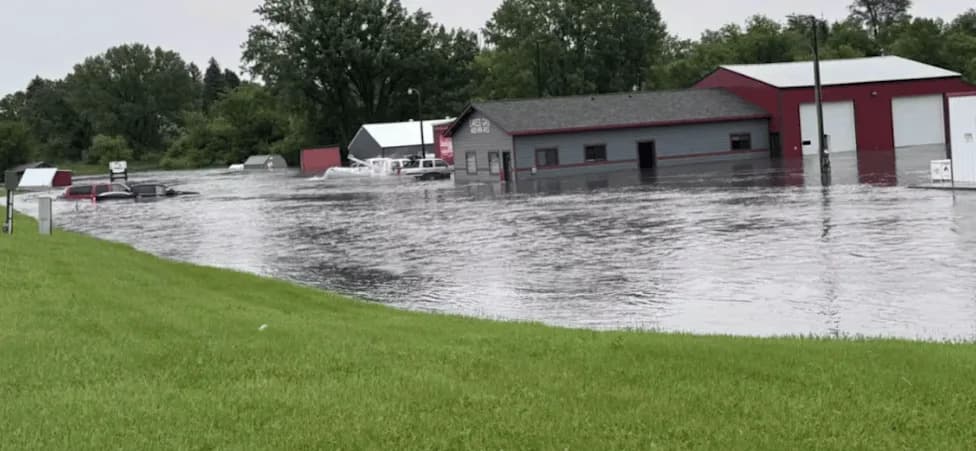
Native Communities Suffered $4.4 Billion in Disaster Damage but Received Only $810 Million in FEMA Funding
New analysis from the Urban Institute finds that over the past decade Native communities in the United States endured about $4.4 billion in damage from natural disasters but received only $810 million in FEMA disaster response and recovery funding.
The review covered federally recognized tribes, Alaska Native villages and three U.S. territories; Native Hawaiian communities were excluded because of data gaps. The analysis highlights how structural disadvantages, geographic isolation and limited access to federal resources leave Indian Country both more exposed to hazards and slower to recover.
Key Findings
Frequency and Scale: Since 2016 more than half of Native communities have experienced two or more presidential disaster declarations, and 53% of those declarations occurred within a two-year span—creating a pattern of back-to-back disasters that compounds economic and environmental harm.
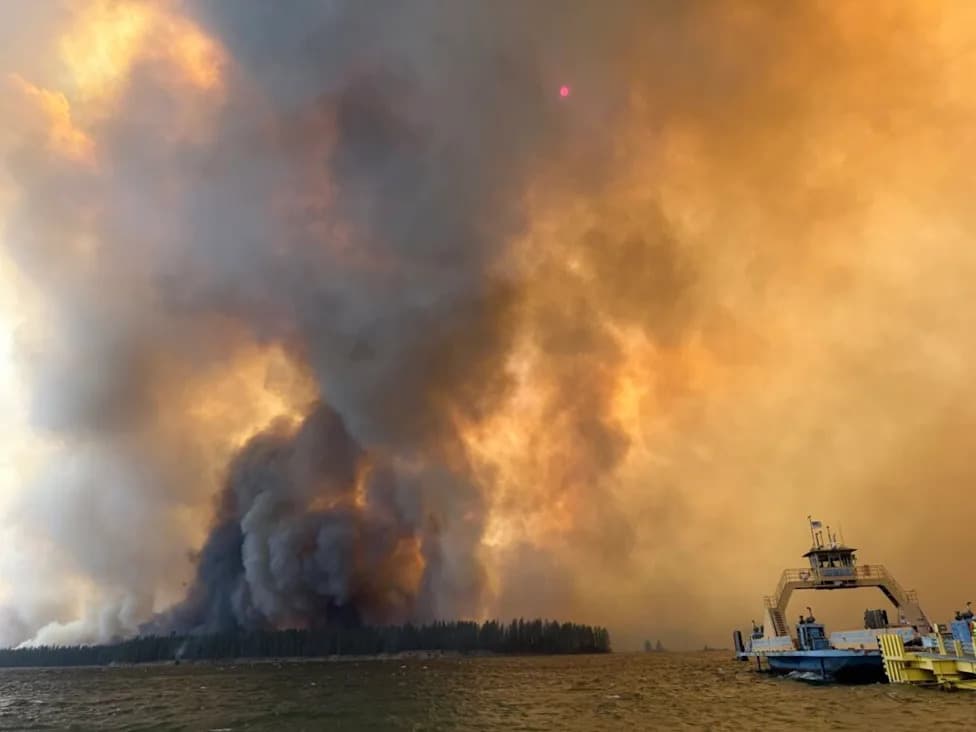
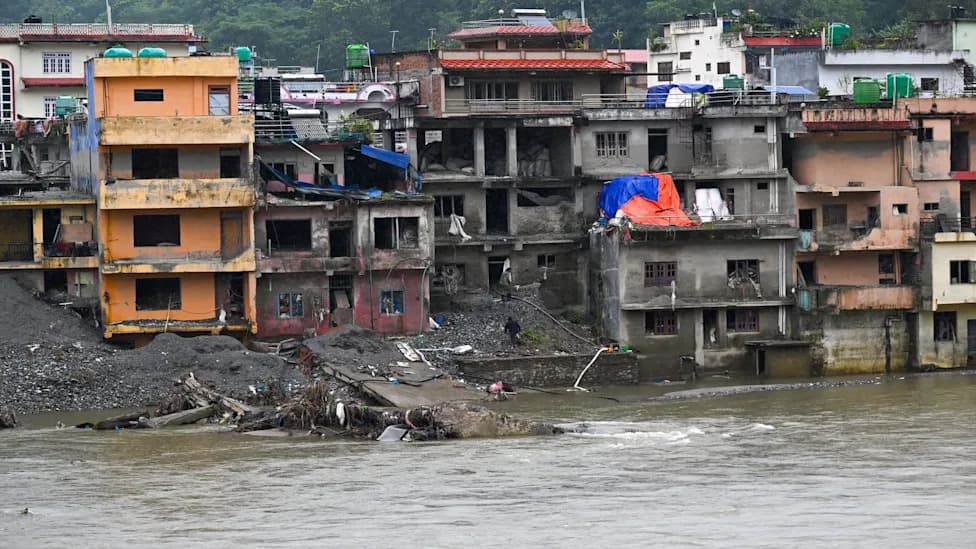
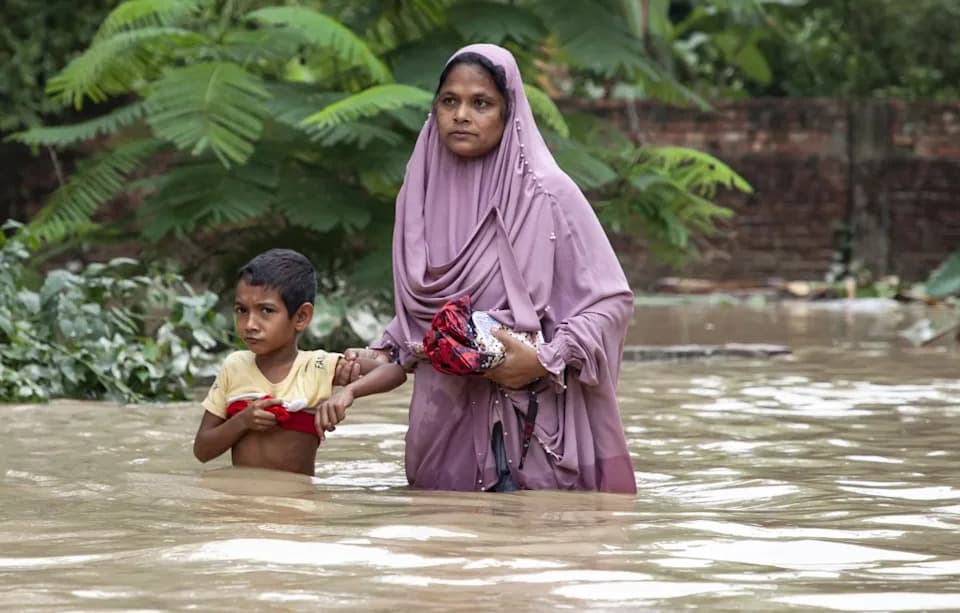
Costs by Hazard: Tornadoes and flooding were identified as the most costly hazards, together accounting for about $1.6 billion in property and crop damage. Wildfires drove most losses in the West, flooding was particularly damaging in Alaska Native villages, and tribes in the South faced a broad mix of hazards including drought, hurricanes, hail and snow. Overall, damage in Indian Country represented roughly 1% of national disaster losses even as per-capita impacts were higher than in non-Native areas.
Why Impacts Are Worse
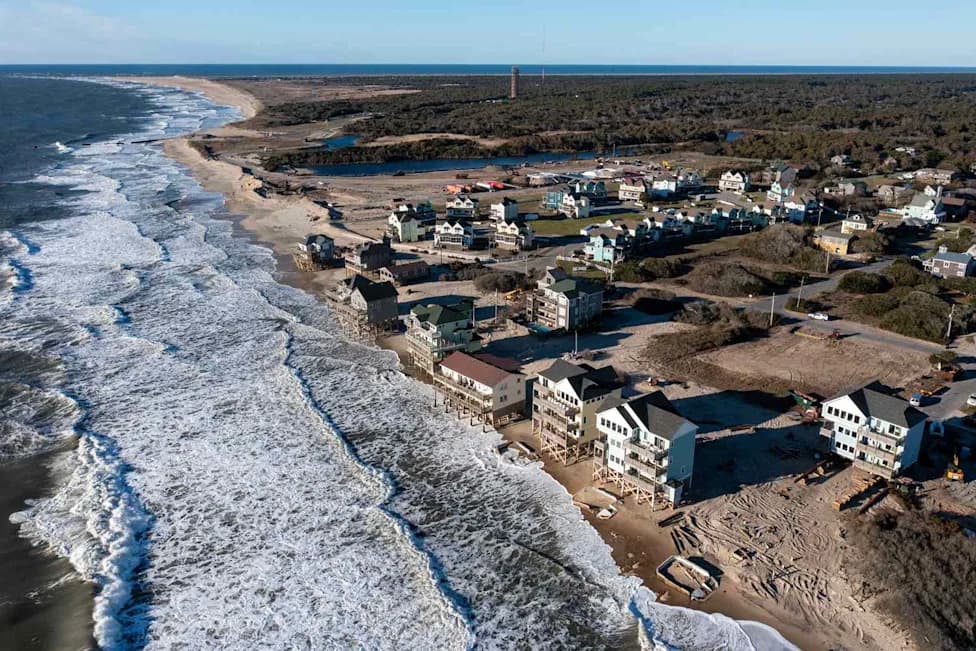
Higher poverty rates, geographic isolation, elevated rates of chronic health conditions and aging or limited infrastructure increase vulnerability and delay recovery in many Native communities. FEMA's National Risk Index, which measures exposure, social vulnerability and resilience, reflects these elevated per-capita disaster risks.
Policy Context: Presidential disaster declarations unlock federal aid when events exceed local capacity. Before 2013, tribes and Alaska Native villages could not request declarations directly and had to rely on state-led applications—limiting access to federal recovery funding.
Mitigation And Recovery Examples
The Urban Institute highlights tribal mitigation successes that improved access to federal aid. The Lummi Nation on Puget Sound has maintained and updated a mitigation plan for two decades, which helped it secure FEMA funds after floods in 2017 and 2018. The White Mountain Apache Tribe in Arizona collaborates with the U.S. Geological Survey to produce risk assessments that reflect tribal cultural values and economic priorities.
Researchers also warn that disasters are becoming more frequent and costly: over the past 50 years disaster frequency has risen steadily while economic losses have increased roughly sevenfold. The Institute for Climate and Sustainable Growth projects that disasters could cost more than $1 trillion across the U.S. over the next five years.
What This Means
The Urban Institute recommends stronger tribal-led mitigation planning, improved access to federal declaration processes and tailored funding mechanisms that recognize the unique social and geographic contexts of Native communities. Closing data gaps—especially for Native Hawaiian communities—and investing in resilient infrastructure and health services are critical to reduce future losses.
Bottom Line: Native communities are shouldering disproportionate disaster costs with far less federal recovery funding than the scale of their losses warrants. Better access to declarations, targeted mitigation, and culturally informed planning can narrow that gap.
Help us improve.