Qi601, a postbiotic made from heat-killed bacteria, showed early promise for binding microplastics before they can be absorbed. Laboratory gut models and a small chewing-gum study found the supplement captured tiny plastic particles, but these are preliminary results. Larger, well-controlled human trials are needed to confirm safety and real-world effectiveness before any recommendations can be made.
Heat-Killed Bacteria Supplement Qi601 May Trap Microplastics Before Absorption, Early Tests Show
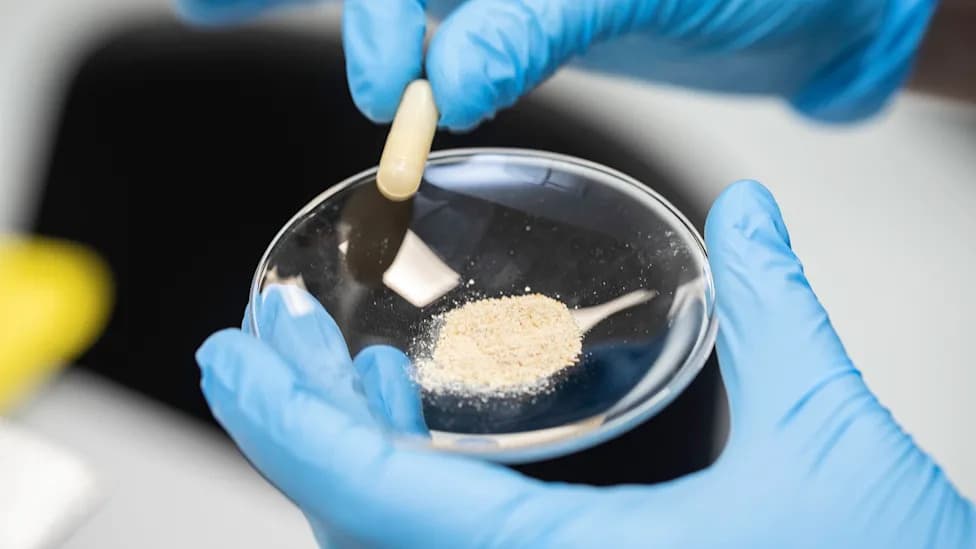
Photo Credit: iStock
Researchers are testing an unconventional strategy to reduce microplastic exposure: an oral supplement called Qi601 made from a bacterial strain that has been heat-killed. Because the microbes are inactivated, scientists classify the material as a postbiotic — a microbe-derived substance that may still have biological effects without containing live organisms.
In preliminary laboratory experiments designed to mimic the human gut lining, Qi601's rough surface appeared to attract and bind tiny plastic particles, helping them pass through the digestive tract rather than being absorbed by cells. Investigators then conducted a small human study focused on chewing gum — a known source of microplastic fragments — and found the supplement bound plastic particles present in the mouth.
How It Might Work
Researchers propose that the inactivated bacterial surface provides sites where microplastic particles stick, much like a physical trap. If validated in larger studies, this mechanism could reduce the number of particles that cross the gut barrier and enter tissues.
What The Findings Mean — And Don’t Mean
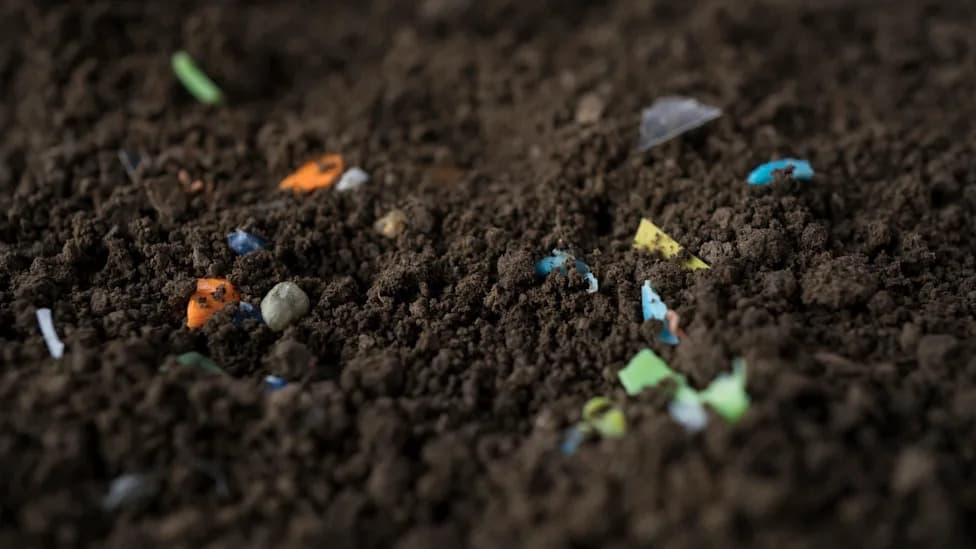
These results are early-stage. They do not prove that taking Qi601 eliminates microplastic exposure or prevents any health harms linked to plastics. Microplastics are widespread — defined here as particles smaller than about 5 millimeters — and have been detected in blood, arterial plaque and brain tissue. Some studies have reported associations between microplastics and conditions such as elevated arterial plaque linked to heart attack and stroke risk, and higher levels in the brains of people with Alzheimer’s disease, but causation and long-term effects remain uncertain.
Scientists emphasize that larger, well-controlled human trials are needed to confirm whether Qi601 is safe and effective over time and under real-world conditions. Early studies can suggest a promising approach, but they are not sufficient to justify widespread use or claims of protection.
Next Steps
Future research should assess Qi601’s effectiveness across diverse diets and exposure sources, evaluate its safety profile, and determine whether binding in the gut reliably reduces microplastic levels in the body. If confirmed, postbiotic products like Qi601 could become an additional tool to reduce the body’s microplastic burden — but they would not be a cure-all, and prevention of contamination at the source remains essential.
Bottom line: Early lab and small human tests suggest Qi601 can bind microplastics before absorption, but much more research is required to establish clinical benefit and safety.
Help us improve.