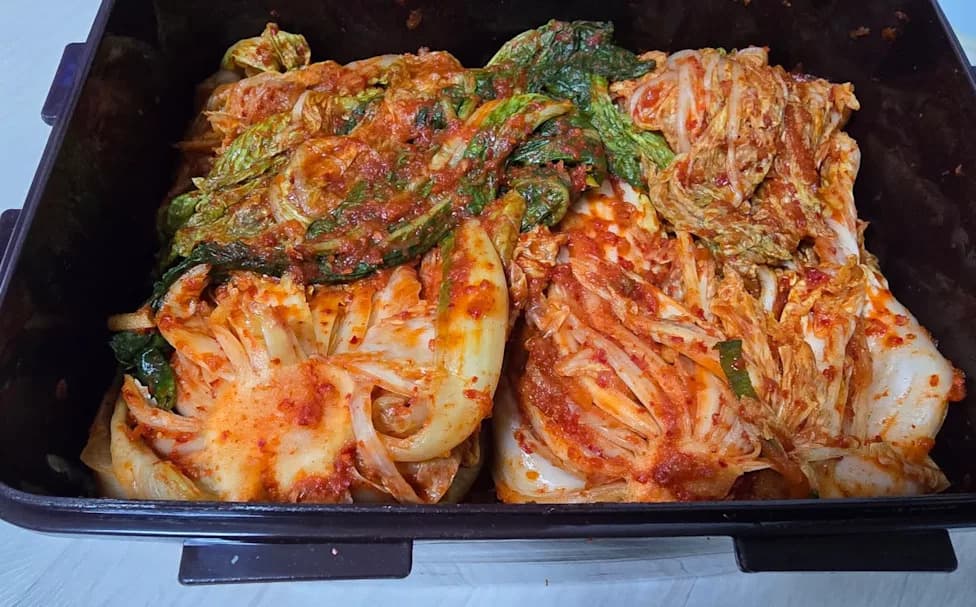
Researchers report that a kimchi-derived bacterium, Leuconostoc mesenteroides CBA3656, binds nanoplastics effectively in lab tests and in mice. In simulated intestinal fluid the strain bound 57% of particles (87% in standard lab conditions), and treated germ-free mice expelled more than twice as much nanoplastic as controls. The experiments were in vitro and in germ-free animals, so human effectiveness, dosing and safety remain unknown. Further studies in animals with normal microbiomes and in human trials are required.
Kimchi Bacterium May Help Clear Nanoplastics From the Gut — Early Lab and Mouse Study
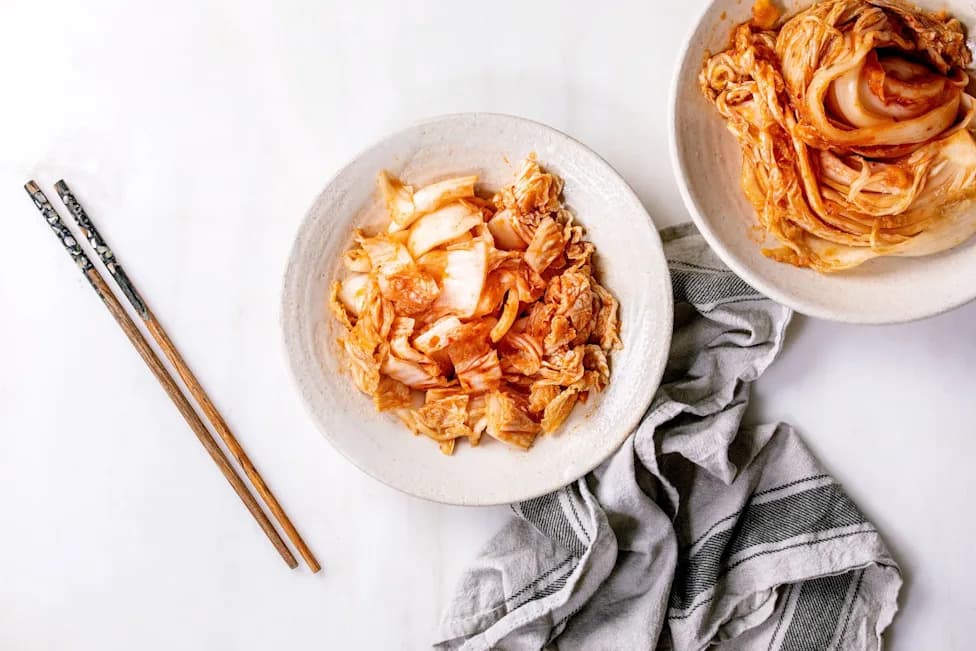
Bacteria From Kimchi May Help Body Flush Out Nanoplastics
Nanoplastics — plastic fragments smaller than 1 micrometer — form as larger plastics break down and can enter the body through seafood, drinking water and salt. Because of their tiny size, they may cross cell membranes and the intestinal lining and potentially reach the bloodstream and internal organs.
Why This Matters
Accumulation of nanoplastics in the gut could disrupt the microbiome, weaken the intestinal barrier and contribute to metabolic dysfunction, cellular toxicity and inflammation. Plastic pollution is persistent: it fragments rather than disappears, allowing nanoplastics to build up in water, soil and food chains.
What the Study Found
In a new laboratory study, researchers tested whether lactic acid bacteria commonly found in fermented foods and probiotics can bind nanoplastics and promote their excretion. One kimchi-derived strain, Leuconostoc mesenteroides CBA3656, bound nanoplastic particles effectively across a wide range of concentrations, pH values and temperatures (4–55°C). Binding occurred rapidly, even after short contact times.
Under standard lab conditions CBA3656 bound about 87% of nanoplastics; in simulated intestinal fluid the binding rate was 57%. By contrast, a comparison strain, Latilactobacillus sakei CBA3608, fell from 85% binding in standard conditions to just 3% in simulated intestinal fluid. In germ-free mice (animals raised without native gut microbes), administration of CBA3656 led to more than twice as much nanoplastic excreted in feces compared with untreated controls, suggesting the bacterium may help flush these particles from the gut.
Limitations and Next Steps
These results are preliminary. The work was performed in vitro and in germ-free mice, not in animals with normal gut microbiomes or in humans. Important questions remain about whether CBA3656 would have the same effect in people, the appropriate dosing, long-term safety, and whether the strain interacts with existing gut microbes.
Bottom line: The study points to an intriguing, unexpected role for a traditional fermented-food bacterium in addressing a modern pollution problem, but additional research — first in animals with conventional microbiomes and then in human trials — is needed to confirm safety and benefit.
Originally published by Men's Fitness on Sep 21, 2026.
Help us improve.