Advocates in Louisiana’s Cancer Alley warn that plastic pollution has become an urgent public‑health crisis, with microplastics detected in blood and multiple organs. Judith Enck of Beyond Plastics says only 5%–6% of plastic is recycled while fossil‑fuel firms pivot to plastics as demand. Studies link microplastics to arterial plaque and potential brain penetration, and Johns Hopkins research estimates cancer risk in parts of Cancer Alley at roughly seven times the national average. Local activists have won important fights, but Enck stresses systemic policy change is needed beyond individual action.
‘Our Babies Are Being Born Pre-Polluted’: How Plastic Pollution in Louisiana Has Become a Public‑Health Crisis
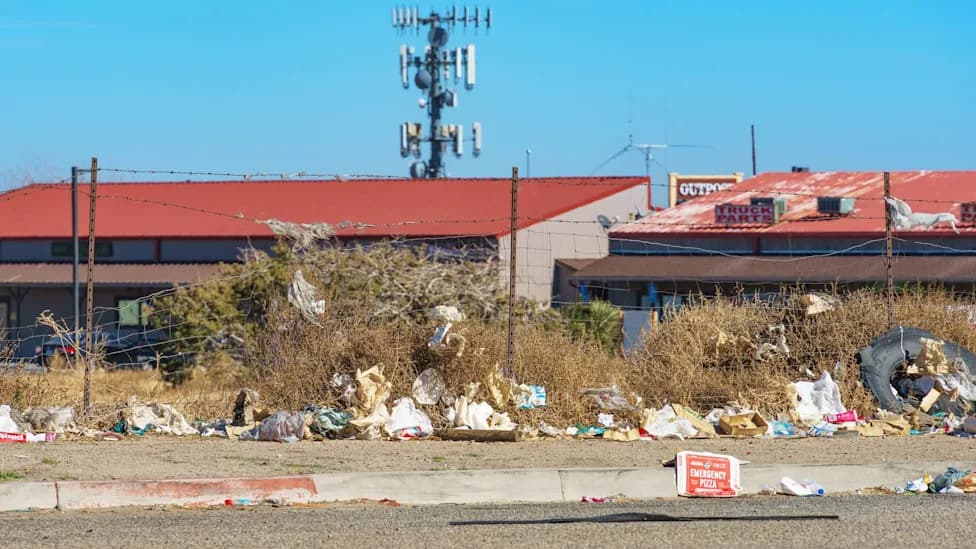
Photo Credit: iStock
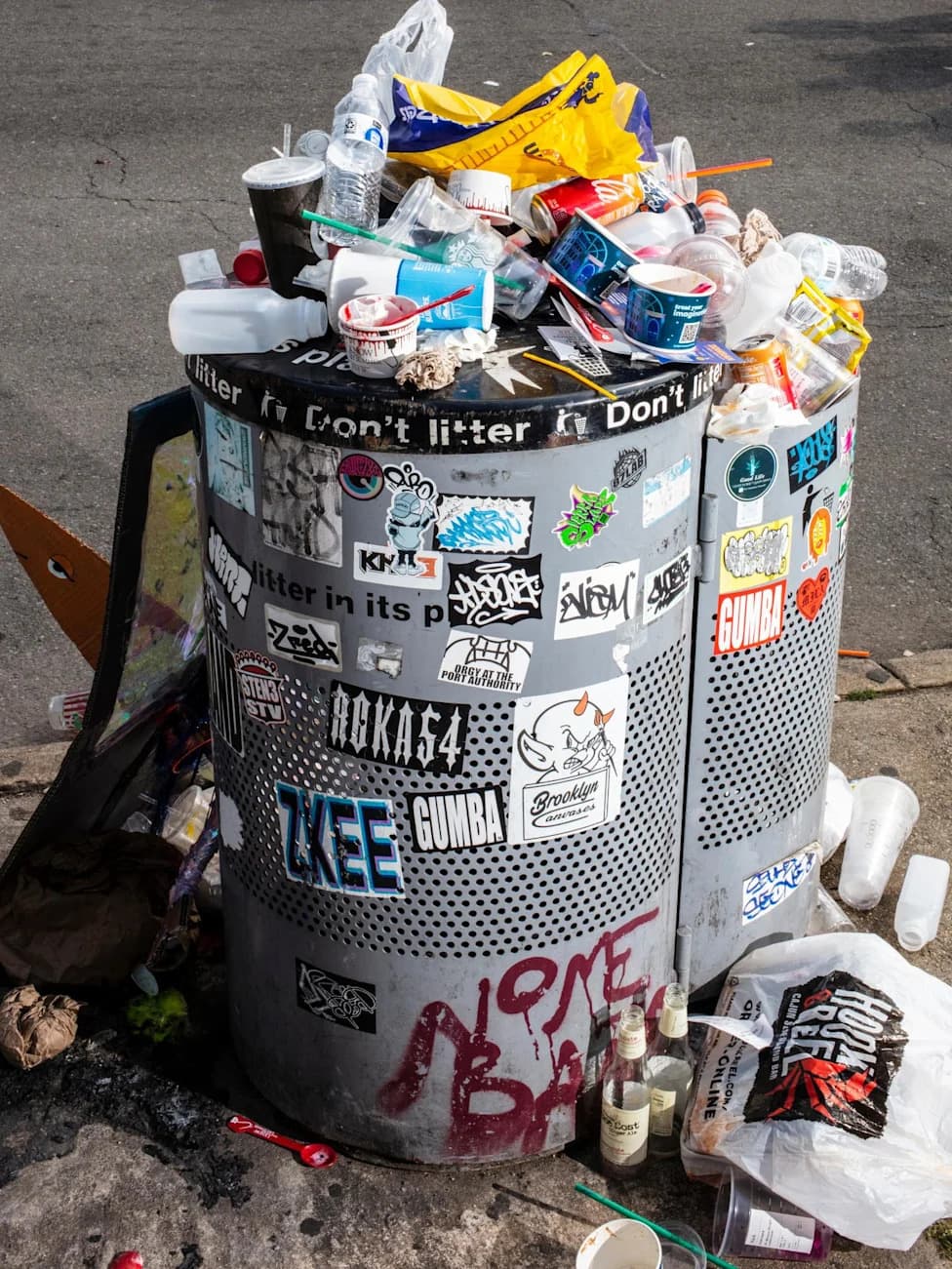
In Louisiana’s so‑called Cancer Alley, plastic pollution is no longer only a matter of litter or waste management — advocates warn it has become an urgent public‑health problem, detectable in the air around homes and inside human bodies.
Judith Enck, former U.S. EPA regional administrator and current head of the advocacy group Beyond Plastics, told Living on Earth (as reported by Inside Climate News) that plastics are woven into everyday life and are now showing up in human tissue. She framed plastics as a convergence point for climate change, ocean pollution, environmental justice and public health.
Harms Across the Life Cycle
Enck stressed that the risks from plastics occur throughout their life cycle. Only about 5%–6% of plastic is recycled; much of the rest is incinerated, buried in landfills, or released into the environment.
As transportation and electricity become cleaner, major oil and gas companies have shifted strategy toward plastics as a core growth area. "We are seeing plastics emerge as plan B for the fossil fuel industry," Enck said.
Microplastics And Human Health
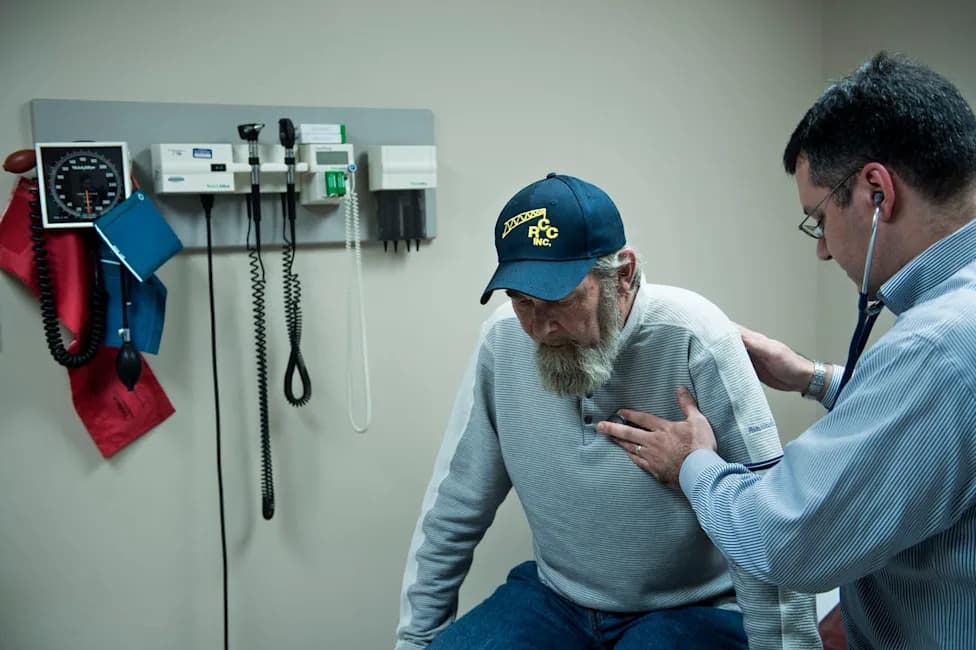
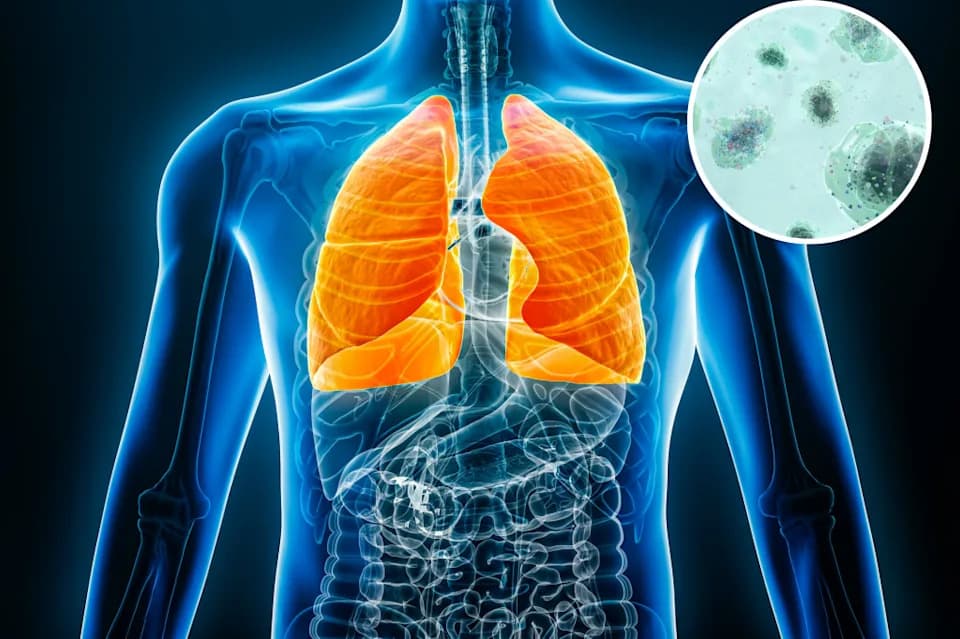
A central health concern is microplastics — tiny fragments typically no larger than about 0.2 inches (5 millimeters) — that can be inhaled or ingested. According to Enck, researchers have detected microplastics in the bloodstream and in multiple organs and tissues, including the lungs, kidneys, liver, placenta, breast milk and testicles. "Our babies are being born pre‑polluted," she warned.
"People are paying for all of this plastic with their health. This is quite a serious health issue for all of us." — Judith Enck
Enck cited evidence including a New England Journal of Medicine study that found microplastics attached to arterial plaque in neck arteries — a finding associated with elevated risks of stroke, heart attack and premature death. She also referenced newer research suggesting microplastics may cross the blood‑brain barrier, though scientists say the long‑term health implications are still being studied.
Communities On The Front Line
Residents who live near petrochemical plants face continuous exposure to toxic emissions. Enck pointed to Johns Hopkins research estimating cancer risk in parts of Cancer Alley at roughly seven times the national average. Those exposures are layered atop social and environmental inequities in the region.
Despite stalled global talks on a U.N. plastics treaty, local and state efforts have produced tangible wins: bans on single‑use plastics, producer responsibility policies, and grassroots victories that halted specific projects. Enck highlighted community leaders such as Sharon Lavigne of Rise St. James, Diane Wilson, and Debby Lee Cohen for their roles in stopping or reducing local plastic and chemical threats.
What Comes Next
While individual actions — reducing single‑use plastics, avoiding certain packaging, supporting local bans — can lower personal exposure, Enck emphasized that systemic change is essential. That includes stronger regulation, corporate accountability, expanded research into health effects, and policies that reduce plastic production and pollution at the source.
Bottom line: Growing evidence links plastics and microplastics to human exposure and potential health harms. Communities near petrochemical facilities are among the most at risk, and advocates say meaningful solutions will require policy shifts, industry changes and community leadership.
Help us improve.