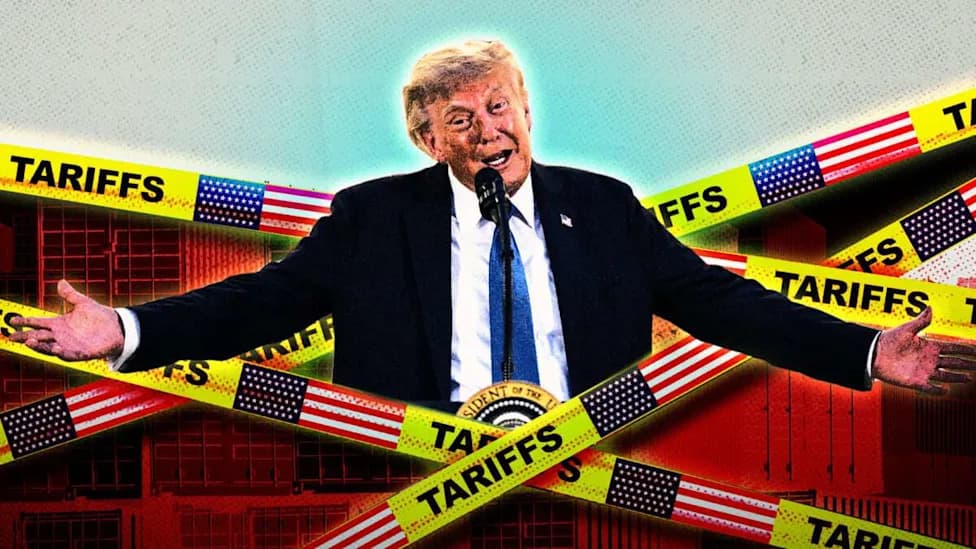
President Trump announced 10% or 12.5% tariffs on more than 80 countries, citing U.S. Trade Representative investigations into forced-labor practices. Countries found to have committed to enforce forced-labor bans were assigned the lower rate; others face the higher duty. The administration used Section 301 of the Trade Act of 1974, and legal challenges are widely expected after a February Supreme Court decision limited prior executive tariff authority. Economists warn most of the cost will fall on U.S. consumers, and the government has reimbursed companies tens of billions in recent months.
Trump Imposes 10%–12.5% Tariffs on 80+ Countries Over Forced-Labor Concerns — Legal Battle Expected
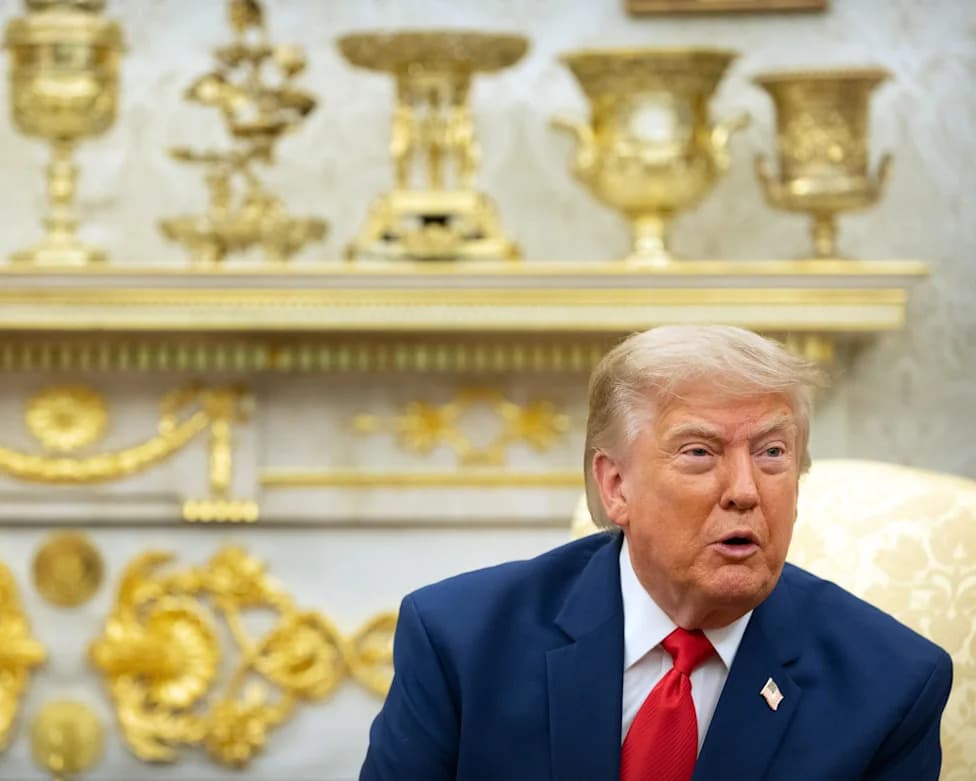
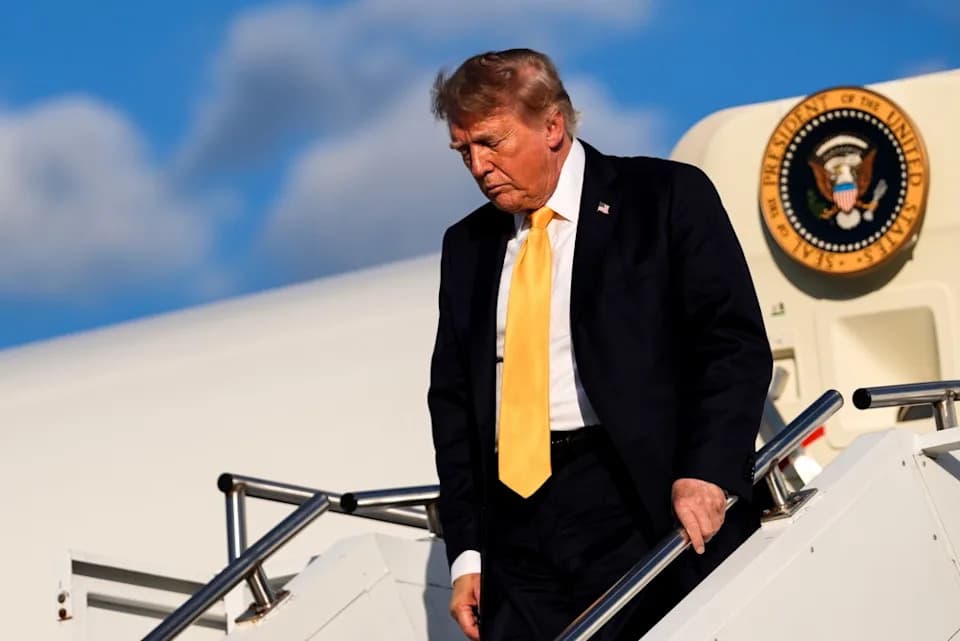
Even after the supreme court found that many of Trump's tariffs were illegal, the administration has signaled they were determined to find an alternate solution to make tariffs permanent.Photograph: Mark Schiefelbein/AP
President Donald Trump late Thursday announced a new set of tariffs on more than 80 countries, imposing duties of either 10% or 12.5% that were scheduled to take effect Friday morning. The administration says the measures target imports tied to forced-labor practices, but legal challenges are expected after a February Supreme Court ruling limited presidential tariff authority.
Key Details
The list of affected trading partners includes many of the United States' largest allies and competitors: Canada, Mexico, China, the United Kingdom, Australia, India, Japan, Brazil and all 27 EU member states are among those named.
How Rates Were Assigned
According to the Office of the U.S. Trade Representative (USTR), each country was reviewed for its enforcement of prohibitions on goods produced with forced labor. Nations that "have made commitments to adopt, and effectively enforce, forced labor import prohibitions" were assigned a 10% duty — examples cited include Canada, the European Union, India, Mexico and the United Kingdom. Countries described as having "failed to adopt a forced labor import prohibition," such as Australia, Brazil, China and Japan, were assigned a 12.5% rate.
Legal Basis And Context
The administration is using Section 301 of the Trade Act of 1974 to impose these duties, a provision that authorizes tariffs after an investigation by the U.S. Trade Representative finds that a trading partner's practices harm U.S. commerce. The move follows a February Supreme Court decision (6–3) that found a 1977 statute previously invoked to justify broad presidential tariffs did not lawfully grant the executive branch that power during peacetime.
"And they gave Congress 'alone … access to the pockets of the people.' The Framers did not vest any part of the taxing power in the executive branch."
After the Court's decision, the administration had issued a temporary, 150-day, 10% global tariff under Section 122 of the Trade Act of 1974; that temporary levy was scheduled to expire at 12:01 a.m. on July 24. This new action relies instead on Section 301.
Expected Challenges And Economic Effects
Legal experts say the new tariffs are likely to face rapid court challenges. Alan Wolff, senior fellow at the Peterson Institute for International Economics and a former deputy director-general of the World Trade Organization, called the measures "another case of presidential overreach" and warned the Supreme Court might overturn them if challenged.
Economists and institutions have warned about the distributional impact of tariffs: the New York Federal Reserve estimated roughly 90% of the economic burden of tariffs is passed through to U.S. consumers and businesses, even when administrations assert tariffs protect domestic industry. Polling data from Harris Poll shows 72% of Americans believe tariffs have hurt consumers, including 64% of Republican voters.
Some small U.S. firms say tariffs are a lesser concern compared with rising costs and rapid technological change such as artificial intelligence. Since the Supreme Court ruling in February, the government has also reimbursed companies tens of billions of dollars in previously collected tariff revenue.
What Happens Next
Expect prompt legal filings and diplomatic responses from affected partners. If courts uphold the measures, the tariffs could become a durable part of U.S. trade policy; if overturned, the administration may need to seek congressional action or new legal pathways. Businesses and consumers should prepare for price changes on affected imports while monitoring developing litigation and official lists from the USTR.
Help us improve.