The Houthi movement says it has attacked vessels in the Red Sea and forced ships to turn away from the Bab El Mandeb Strait, threatening a vital Europe–Asia shipping route. These actions come as the US conducts repeated strikes on Iranian coastal targets and a new US–Saudi civilian nuclear deal raises regional security concerns. Analysts warn that combined Houthi activity and Iran–US hostilities could prolong instability and push up global energy, fertiliser and shipping costs.
Houthi Attacks on Red Sea Shipping Threaten Wider Middle East Escalation and Global Economic Shock
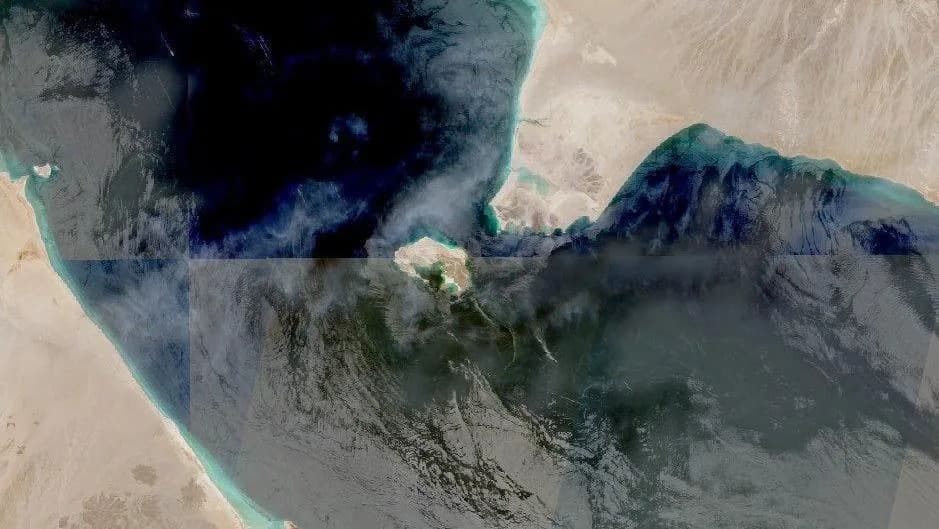
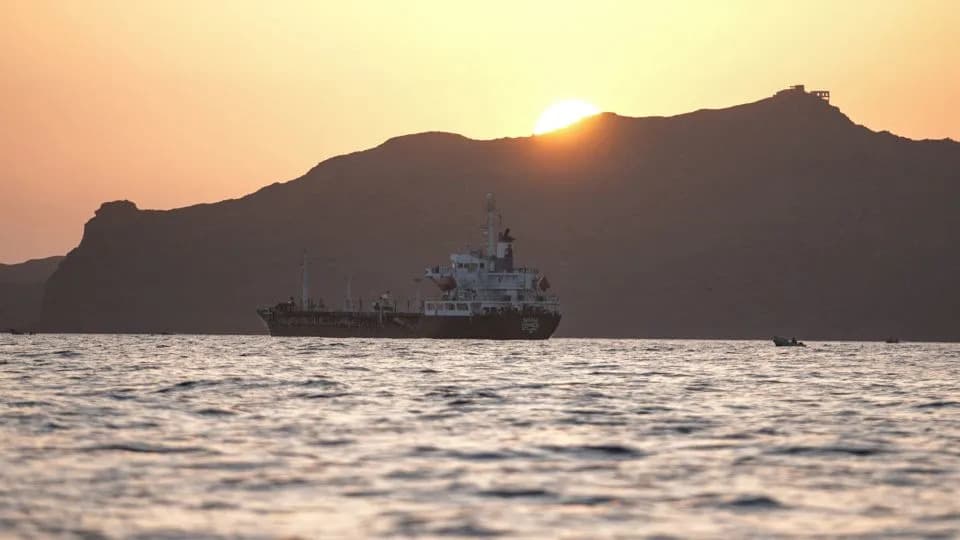
Attacks launched from Yemen could disrupt the vital Bab El Mandeb Strait shipping route, further restricting global trade [NASA Worldview/Reuters]
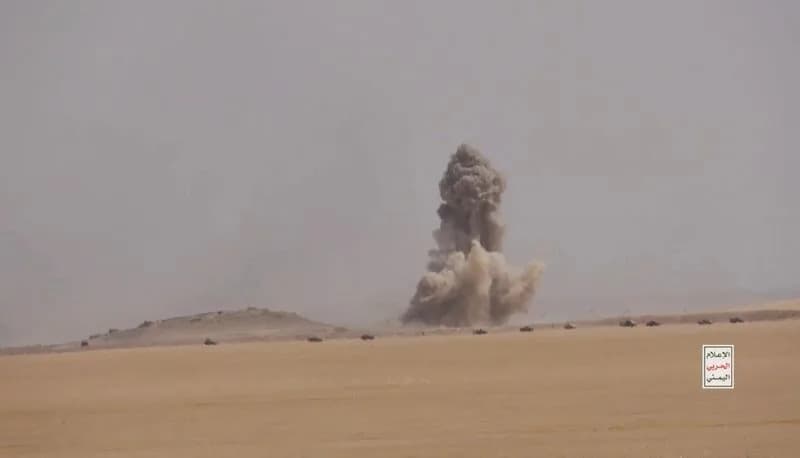
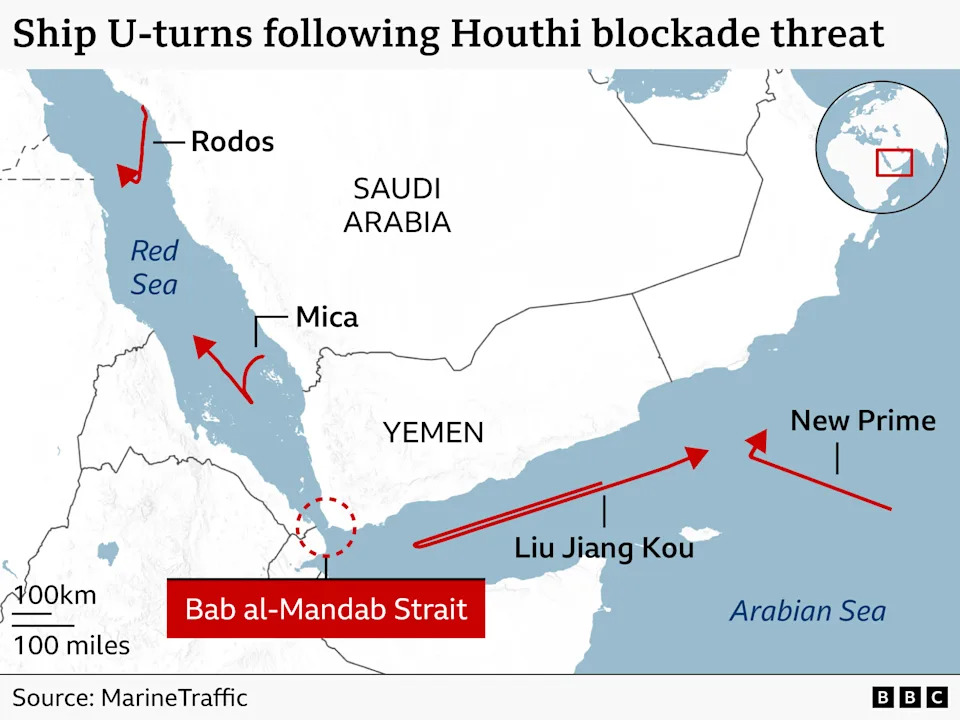
Yemen's Houthi fighters say they have struck vessels in the Red Sea and forced ships to turn back from the Bab El Mandeb Strait, raising fears of a wider regional escalation and renewed disruptions to a crucial Europe–Asia maritime route.
What Happened
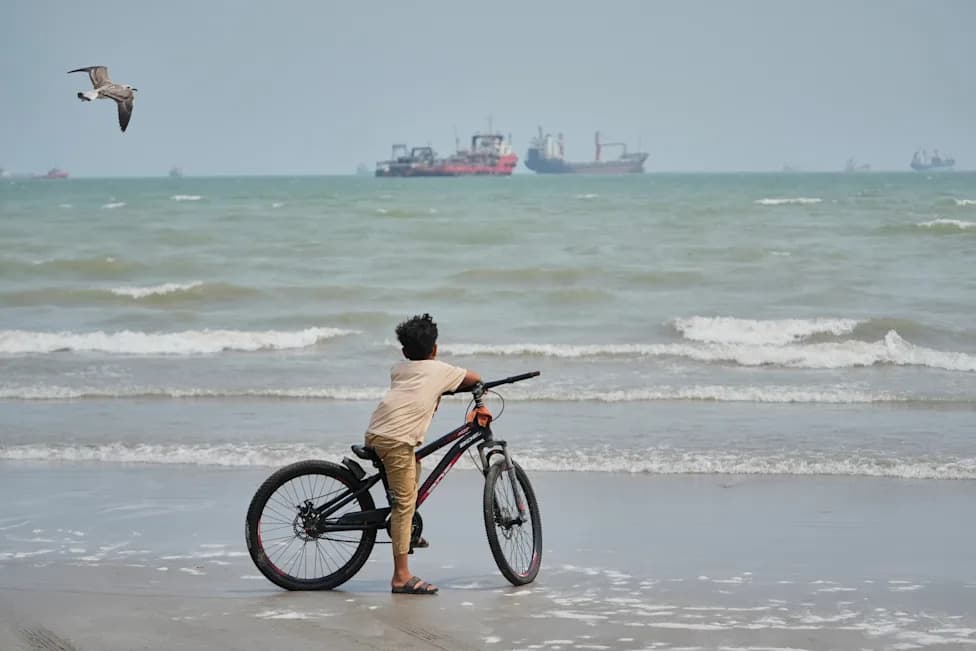
The Houthis reported missile strikes on two Saudi vessels this week and say they forced about 10 other ships to reverse course after warning mariners to avoid Saudi ports. The actions disrupted traffic through the narrow Bab El Mandeb Strait, which links the southern end of the Red Sea to the Indian Ocean.
Strategic Context
These maritime attacks come amid a series of US strikes on Iranian coastal radar, drone and missile facilities—conducted on 12 consecutive nights by US Central Command (CENTCOM). At the same time, a newly announced US–Saudi civilian nuclear cooperation agreement has stirred anxiety that regional security dynamics could shift and potentially spur an arms-race response.
[BBC]
Why It Matters
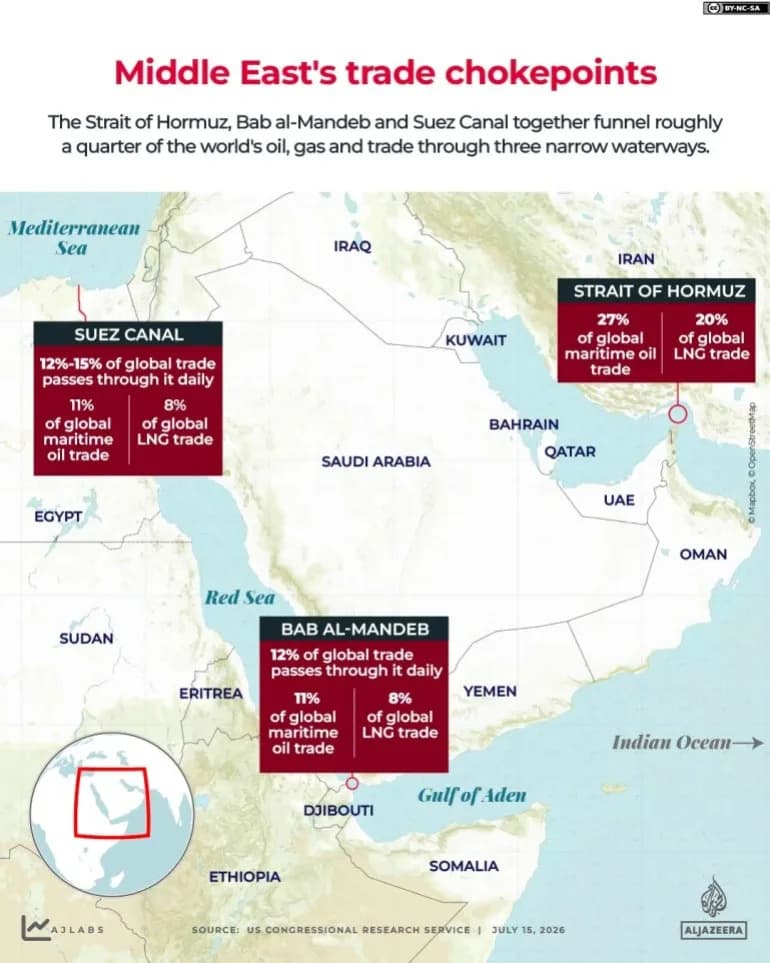
The Gulf region is already strained by Iran's pressure on the Strait of Hormuz, which has disrupted flows of oil and fertiliser. If Bab El Mandeb is also rendered unsafe for commercial shipping for an extended period, global supply chains and energy markets could face a second major chokepoint, pushing up shipping costs and commodity prices.
How Saudi Shipments Have Been Managed
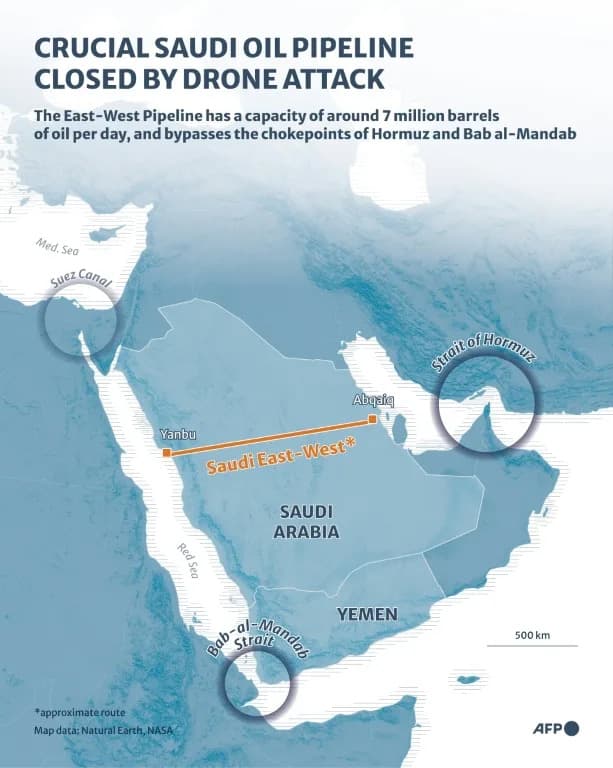
To mitigate pressure on exports while the Strait of Hormuz faced threats, Saudi Arabia has relied on the East–West Pipeline to move millions of barrels a day from its Eastern Province oilfields to the Red Sea export terminal at Yanbu' Al-Bahr. From there tankers sail south past Yemen and through Bab El Mandeb to reach Asian markets—routes now at higher risk.
Background: The Houthis
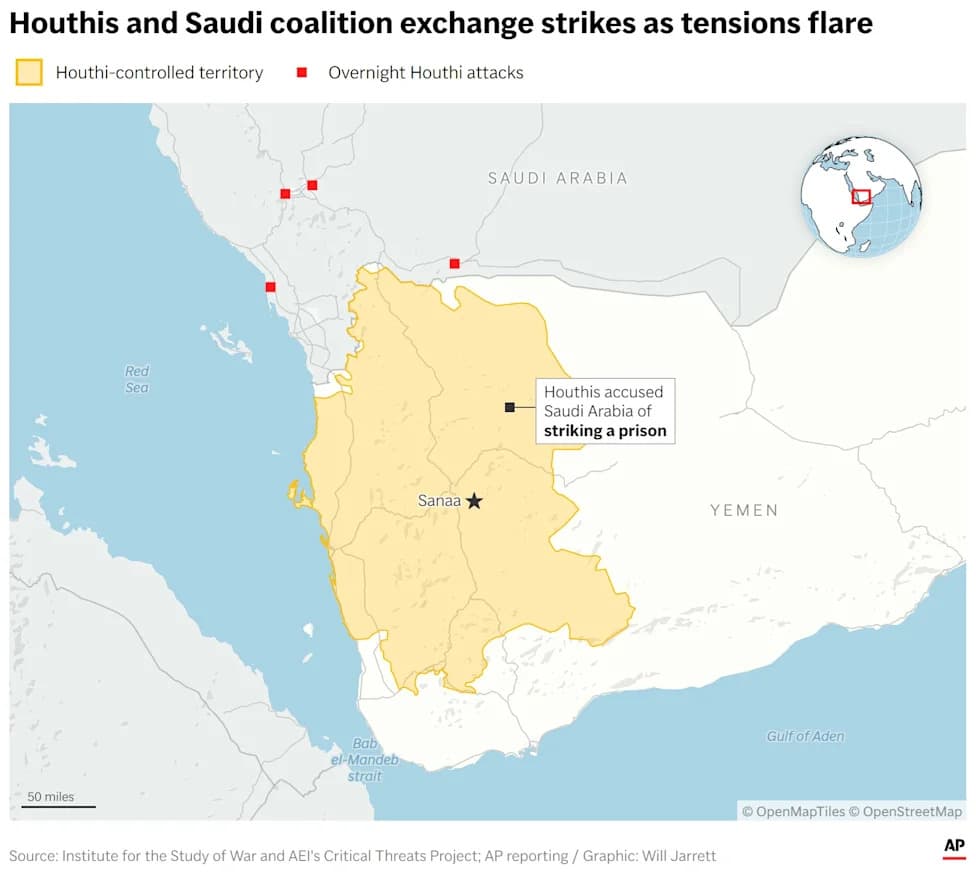
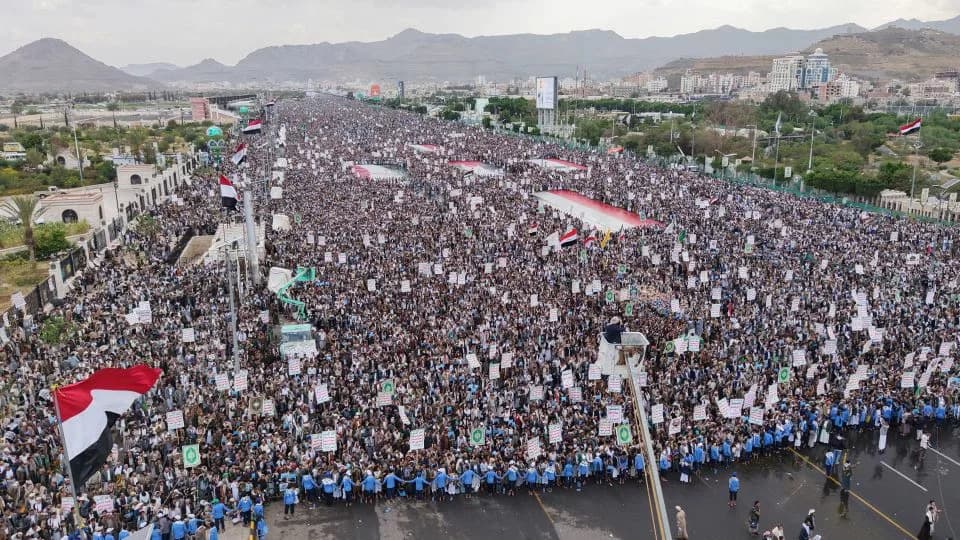
The Houthis are a Shia-affiliated movement from northern Yemen, centered on Saada. They seized Sanaa in 2014 and control much of Yemen's populated areas, including key ports such as Hodeidah. Saudi Arabia intervened militarily in 2015 to restore the ousted government and limit Iranian influence on its southern border, but the conflict stalemated and the Houthis entrenched their power.

The Houthi group is closely allied with Iran and controls much of Yemen [Reuters]
Previous Campaigns and Capabilities
Between 2023 and 2025 the Houthis targeted ships they said were linked to Israel, causing major rerouting of maritime traffic, higher freight costs and prompting naval protection missions by the US and UK. Yemen's rugged Red Sea coast—full of caves, tunnels and elevated firing positions—gives Houthi forces the ability to conceal munitions and strike ships at short notice.
Regional Dynamics
Nightly US strikes have not ended the cycle of retaliation with Iran. The Islamic Revolutionary Guard Corps (IRGC) has struck back at neighbouring Gulf states that host US bases in an effort to drive wedges between Washington and its partners. Meanwhile, other parts of the region show mixed trends: Iraq and Syria have seen relative stabilisation compared with earlier years, the Gaza conflict is technically in ceasefire, and fighting between Israel and Hezbollah is paused while negotiations continue.
Economic and Military Risks
Persistent disruptions to Gulf oil, gas and fertiliser exports would tighten global supply chains and raise prices. The newly announced US–Saudi civil nuclear cooperation deal—while aimed at peaceful energy development—has renewed concerns that it could, over time, feed regional proliferation pressures and a potential arms-race dynamic.
Outlook
Without a durable, comprehensive agreement between Washington and Tehran to halt tit-for-tat strikes and limit proxies' maritime campaigns, analysts warn the region may face a prolonged period of instability. The combination of Houthi maritime aggression, ongoing US–Iran hostilities and shifting security partnerships creates a volatile mix that could disrupt trade and raise global economic costs.
Key takeaway: Renewed Houthi attacks on Red Sea shipping amplify regional tensions and risk a second major maritime chokepoint after the Strait of Hormuz—an outcome with fast-moving economic and security consequences worldwide.
Help us improve.