The World Health Organization estimates about 300,000 annual drowning deaths worldwide and notes drowning is a top-10 cause of death for children aged 5–14. The WHO has launched PROTECT, its first global action plan to lower drowning deaths through measures such as safer waterfronts, swimming lessons and lifesaving training. The agency warns climate change — via more floods, storms and heatwaves — is increasing drowning risk, and urges countries to adapt PROTECT to national contexts. July 25 is World Drowning Prevention Day, a focal point for awareness campaigns.
WHO: Climate Change Raises Drowning Risk — New PROTECT Plan Targets 300,000 Annual Deaths
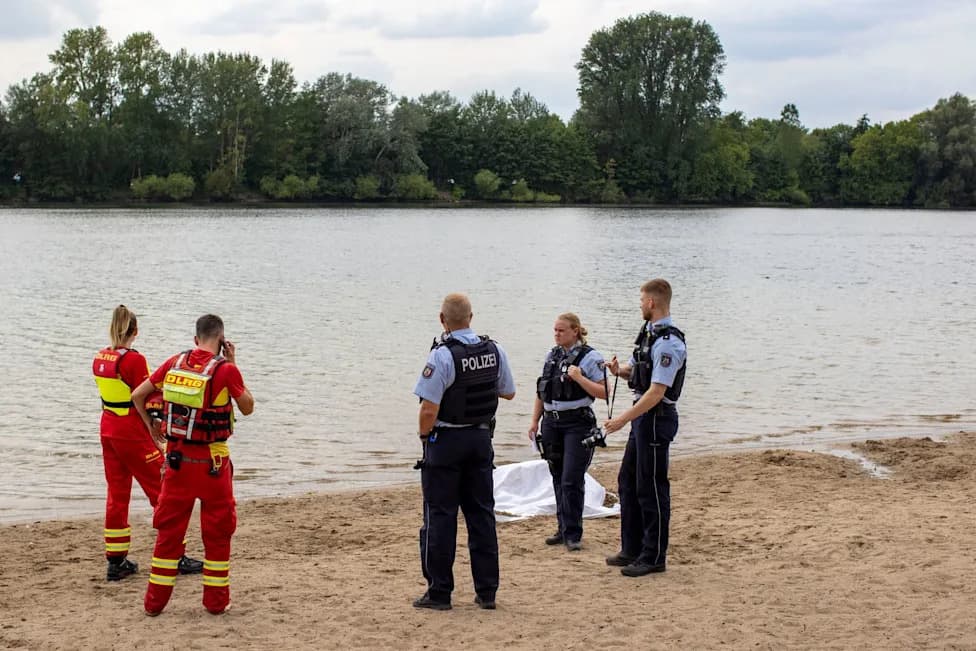
FILE PHOTO Police officers and rescue workers from the DLRG are on duty with a drowned man recovered dead from Lake Masuria. Six days after his disappearance in Lake Masuria, a 33-year-old man has been found dead in the water. This was announced by the Duisburg police on Monday. (is associated with: «WHO: Climate change increases the risk of drowning») Christoph Reichwein/dpa
The World Health Organization (WHO) warns that roughly 300,000 people drown each year worldwide, and drowning remains one of the top 10 causes of death for children aged 5–14.
WHO Launches the PROTECT Action Plan
The WHO has released its first global drowning-prevention strategy, called PROTECT, aimed at reducing drowning deaths through evidence-based interventions, capacity building and national adaptation. The plan is designed to be flexible so countries can tailor measures to local needs and integrate them with public health, sustainable development and climate resilience efforts.
Why Climate Change Matters
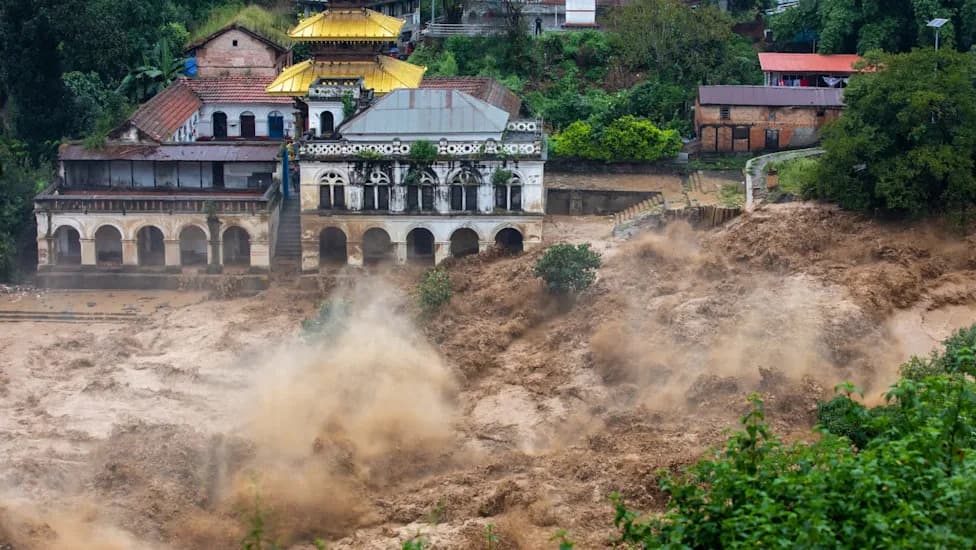
The agency says climate change is increasing drowning risk: extreme weather events such as floods and storms are becoming more frequent, and heatwaves drive more people into water to cool off — increasing exposure to hazards. In the United Kingdom, studies indicate drowning deaths rise by about 7.2% for every 1°C increase in temperature.
“Climate change is increasing drowning risks. Extreme weather events such as floods, storms and heatwaves are becoming more frequent, contributing to higher risk of drowning,” WHO said in its plan.
Key Recommendations
Under PROTECT, the WHO urges governments and communities to take practical steps to reduce drowning, including:
- Making riverbanks, beaches and other waterfronts safer through barriers, signage and improved access control;
- Providing swimming and water-safety lessons for children and at-risk populations;
- Training paramedics, lifeguards and interested members of the public in lifesaving and rescue techniques;
- Integrating drowning prevention into disaster preparedness, climate adaptation and community health programs;
- Collecting better data on drowning incidents to guide policy and measure progress.
Awareness and Action
July 25 is observed as World Drowning Prevention Day, when countries and organizations run campaigns to raise awareness about water safety and prevention measures. The WHO emphasizes that interventions should be adapted to each country’s stage of preparedness and coordinated with existing development and resilience initiatives.
With warming temperatures and more extreme weather expected, the WHO says urgent, coordinated action can save lives — particularly among children and vulnerable communities near water.
Help us improve.