The U.S. has reported 2,295 measles cases in 2026, the highest annual total in 35 years, according to Johns Hopkins. Most infections have occurred in unvaccinated or under-vaccinated people, particularly young children, with major outbreaks in South Carolina, Utah, Texas and Virginia. Public-health officials say increased MMR vaccination ended large outbreaks but warn that low childhood coverage threatens the country's measles elimination status. A November meeting will determine whether the U.S. has lost its elimination designation.
U.S. Measles Cases Reach 35-Year High — 2,295 Reported in 2026
The number of US measles cases just hit a 35-year high
The United States has recorded 2,295 measles cases so far in 2026, the highest annual total in 35 years, according to a tracker maintained by the Johns Hopkins Bloomberg School of Public Health.
That tally surpasses the 2,126 cases documented during the 1991 outbreak and is slightly above last year’s total of 2,289. Federal surveillance from the Centers for Disease Control and Prevention (CDC) reported 2,260 confirmed cases as of a release one week earlier; Johns Hopkins’ tracker was updated more recently.
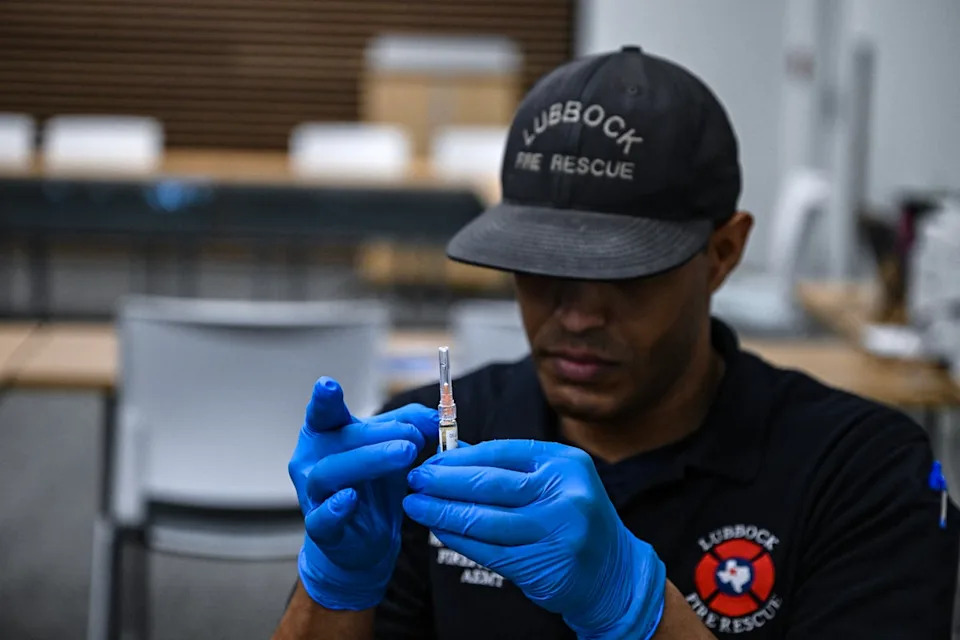
The number of US measles cases just ballooned to a 35-year high, according to tracking data from the Johns Hopkins Bloomberg School of Public Health. Cases have spread in undervaccinated communities (AFP/Getty)
Why Cases Are Rising
Public-health experts attribute the resurgence to vaccine hesitancy and clusters of undervaccinated people that allow this highly contagious virus to spread. Data from the CDC indicate that nearly all confirmed infections have occurred in people who were unvaccinated or under-vaccinated, and many cases have involved young children, who can experience more severe complications.
Health Risks and Prevention
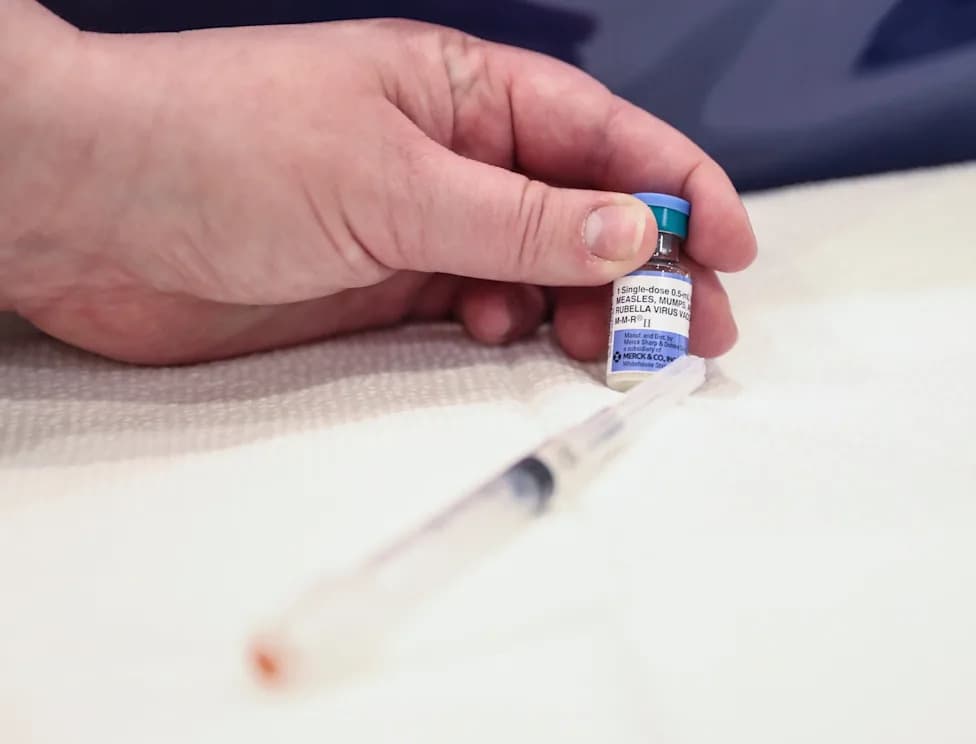
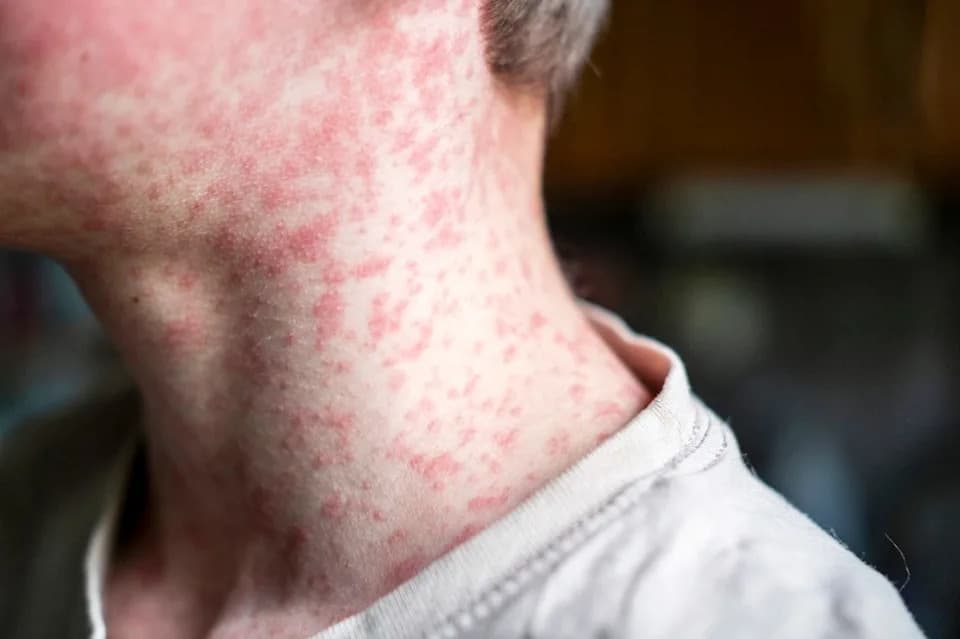
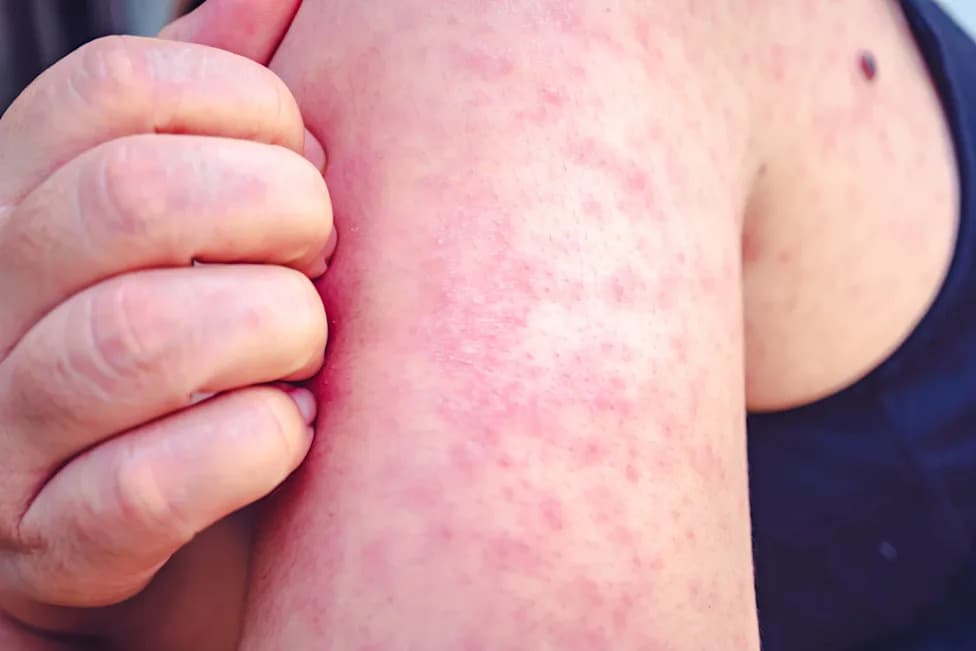
Measles can lead to serious complications including brain swelling (encephalitis), pneumonia, high fever, ear infections and a widespread rash. The measles-mumps-rubella (MMR) vaccine is highly effective and safe; increasing vaccination coverage remains the primary tool to stop outbreaks.
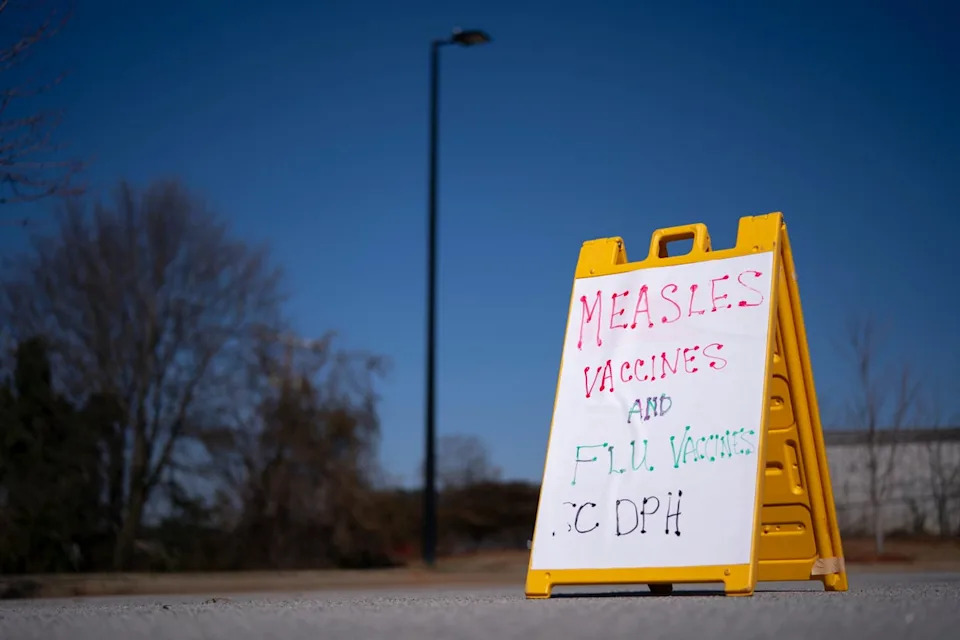
The largest measles outbreak this year was in South Carolina. That outbreak ended in April after more people got the measles vaccine (Getty)
"High vaccination coverage has protected even the un- and undervaccinated because of herd protection, keeping measles at bay for the past few decades," said Dr. William Moss, Executive Director of the International Vaccine Access Center at Johns Hopkins. "But in communities with pockets of susceptible individuals across a broad age range, measles has been able to take hold, infecting those who are susceptible and spreading rapidly."
Major Outbreaks and Local Responses
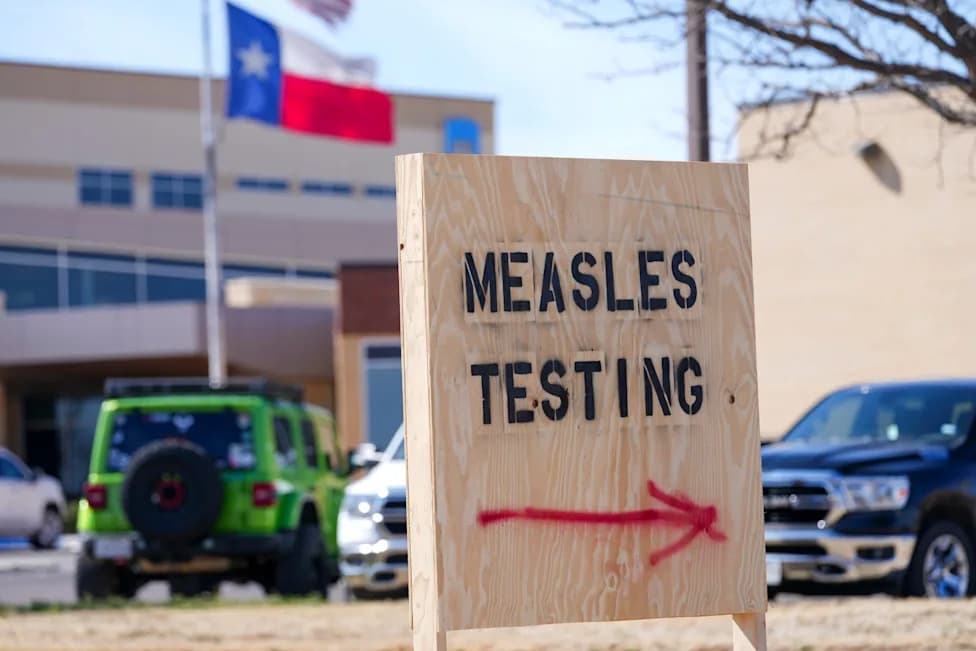
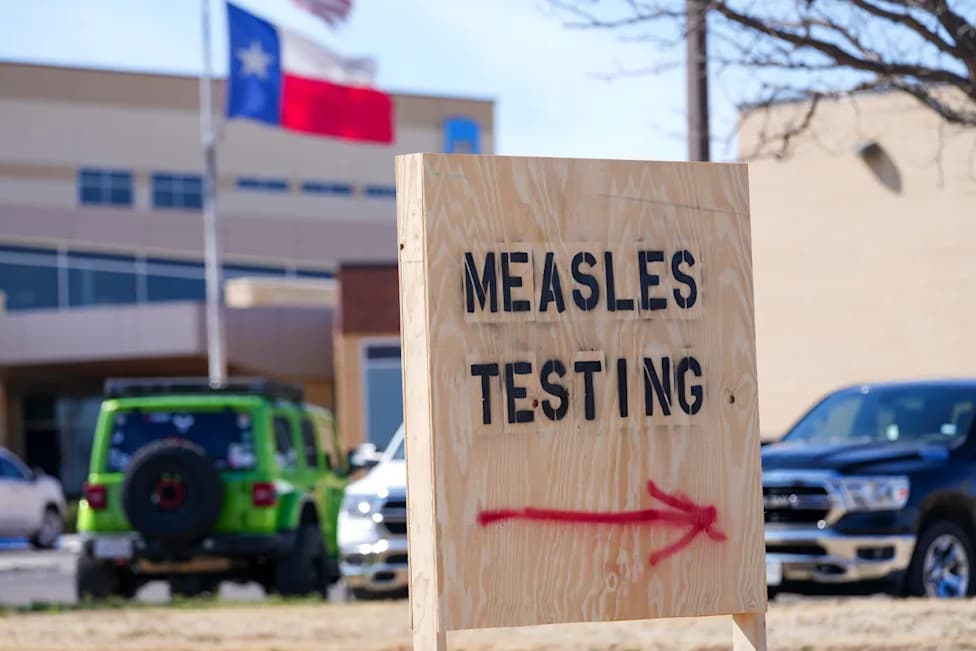
Major outbreaks in 2026 occurred in South Carolina, Utah, Texas and Virginia. The largest single outbreak was in northern South Carolina, which recorded 997 cases; state officials said the outbreak ended in April after an intensive vaccination campaign. Officials also credited rising vaccine uptake with ending a large outbreak in West Texas in 2025.
Health officials have reported transmission in settings ranging from religious communities to grocery stores and schools, underscoring how easily measles can spread where immunity gaps exist.
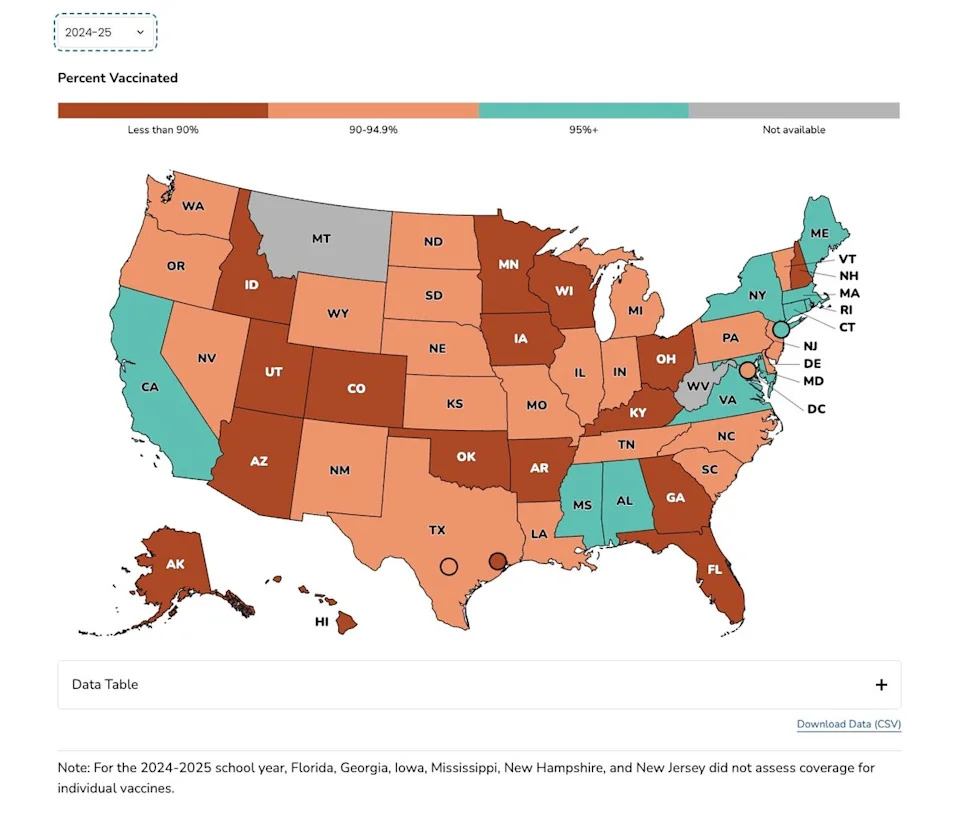
This map from the US Centers for Disease Control and Prevention shows measles vaccine coverage for kindergarteners between 2024-2025. States in burnt orange have fewer than 90 percent of students vaccinated while those in teal have vaccine coverage over 95 percent and those in lighter orange are in the middle (CDC)
Elimination Status and Next Steps
The recent surge has put at risk the U.S. public health milestone of measles elimination — defined as the absence of continuous disease transmission for more than a year. Authorities have scheduled a November meeting to assess whether the United States has lost that elimination status.
Public-health leaders stress the importance of routine childhood vaccination and catch-up campaigns for un- or under-vaccinated individuals. Increasing MMR coverage, especially among kindergarten-age children where many states fall below the herd-immunity threshold, is critical to preventing further spread.
Help us improve.