The European Commission has launched formal infringement procedures after all member states missed the 29 May 2026 deadline to transpose the Energy Performance of Buildings Directive (EPBD) into national law. Eurostat data show progress is uneven: the Netherlands leads with 60.5% of buildings upgraded since 2018, while Italy lags at 3%. Eight countries have submitted draft National Building Renovation Plans as a first step, and final plans must be filed by 31 December 2026. Critics warn the timeline and costs could be burdensome for households, especially vulnerable groups.
Green Homes: Which EU Countries Are Leading The Push To Upgrade Building Energy Efficiency?
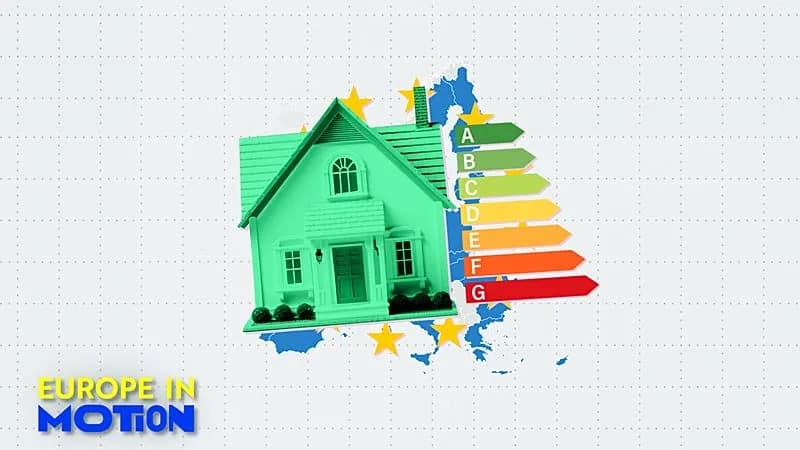
Green homes: Which countries are making their buildings more energy efficient?
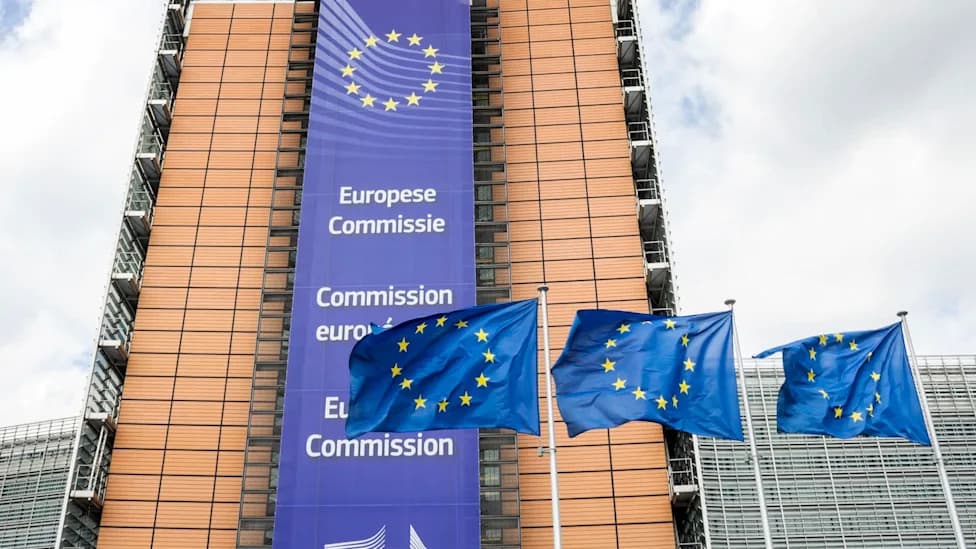
Last week the European Commission opened formal infringement procedures against all EU member states for failing to fully transpose the Energy Performance of Buildings Directive (EPBD), commonly called the Green Homes Directive. Member states had until 29 May 2026 to implement the rules into national law.
Why The Directive Matters
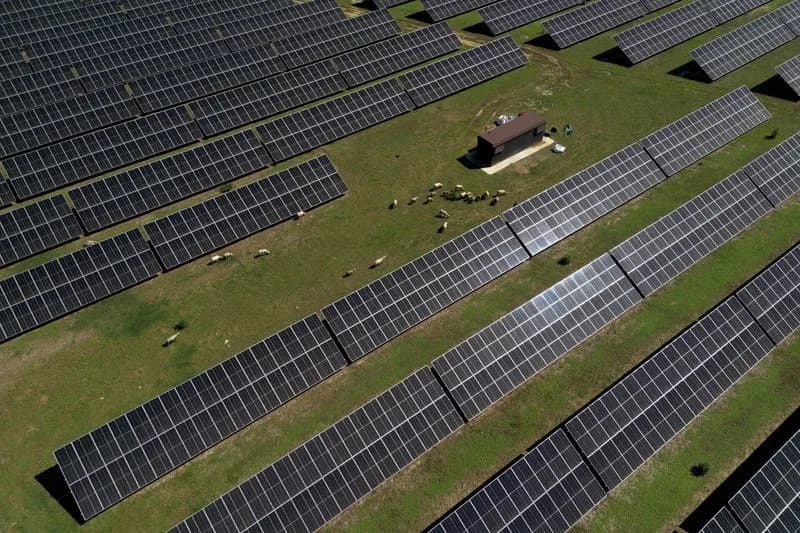
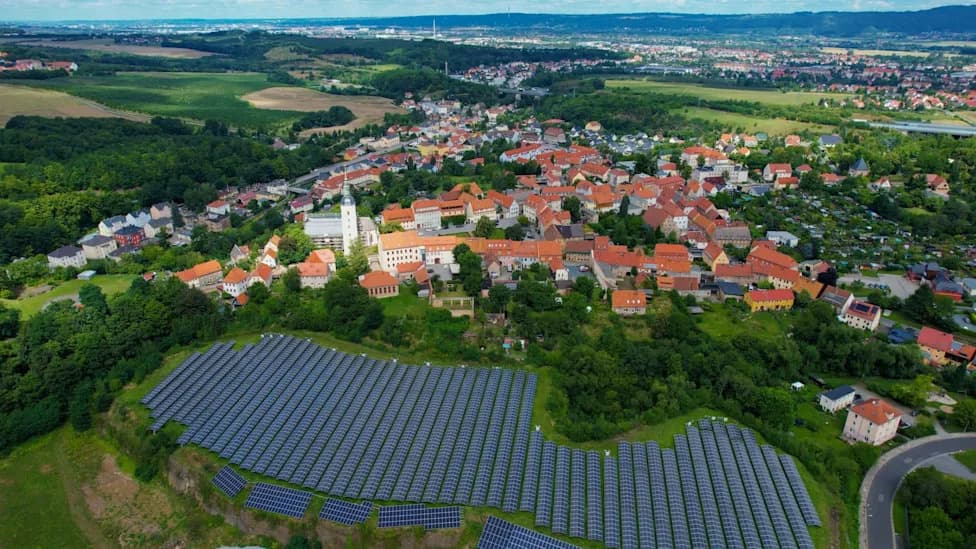
The EPBD is designed to put the bloc on a common path to reach net-zero emissions by mid-century by forcing a large-scale modernisation of Europe’s building stock — the single largest consumer of energy in the EU. Measures promoted under the directive include better roof and window insulation, phasing out incentives for old gas and fossil-fuel boilers, and encouraging heat pumps and rooftop solar installations.
Progress Is Uneven
The launch of infringement letters — a formal warning to finish transposition — does not mean renovation has stopped. Eurostat data show roughly one in four EU citizens now lives in housing that is greener than six years ago. However, progress varies sharply across countries.
The Netherlands leads the pack, reporting 60.5% of buildings upgraded since 2018. Denmark (34%), France (33%) and Slovenia (33%) follow, with about a third of buildings made more efficient in each country. By contrast, Italy records the slowest pace: just 3% of its buildings improved compared with 2018. Malta (8%) and Greece (9.5%) also lag behind.
Political Pushback And Practical Concerns
Some national politicians argue the timeline and costs are unrealistic. Gilberto Pichetto Fratin, Italy’s environment and energy security minister, said:
"It's not a question of agreeing or not with the EU, but rather of numbers. How can we intervene by 2033 and make a couple of pensioners spend €50,000 to bring their home to energy class B?"
Germany’s former housing minister Klara Geywitz (SPD) also warned it would be wrong to force owners to renovate or to push people into selling property simply to meet energy standards.
Concrete Steps: National Building Renovation Plans
Despite the incomplete transposition, several concrete steps are under way. Eight member states have submitted draft National Building Renovation Plans (NBRPs) to the Commission: Belgium, Bulgaria, Croatia, Finland, Lithuania, Romania, Slovenia and Spain. NBRPs map out renovation roadmaps for residential and non-residential buildings, provide an analysis of the national building stock, set targets for 2030, 2040 and 2050, and outline the policies and investment needs required to meet those goals.
The Commission says these plans follow a common EU-level template to improve comparability and monitoring. Earlier national strategies, it noted, "lacked a harmonised structure, common indicators and binding milestones across the Union." Member states must submit final versions of their NBRPs by 31 December 2026.
What To Watch Next
Expect continued debate over the speed, scale and financing of renovations. Key issues will include subsidies and support for low-income households, timelines for phasing out fossil-fuel boilers, and how to mobilise public and private investment to meet long-term targets. The infringement procedure could lead to fines or legal action if countries do not complete transposition, but it also signals Brussels’ determination to accelerate building decarbonisation.
Help us improve.