Retrofitting ageing Soviet-era housing across the Baltics is emerging as a cost-effective way to boost energy efficiency and urban resilience. Upgrades to insulation, ventilation, heating distribution and renewable integration can lower household bills and extend building lifespans. Experts warn such interventions must be coordinated with public-space renewal, utilities and green infrastructure to deliver neighbourhood-level benefits and avoid new safety risks.
Retrofitting Soviet-Era Housing: A Cost-Effective Path to Urban Resilience in the Baltics
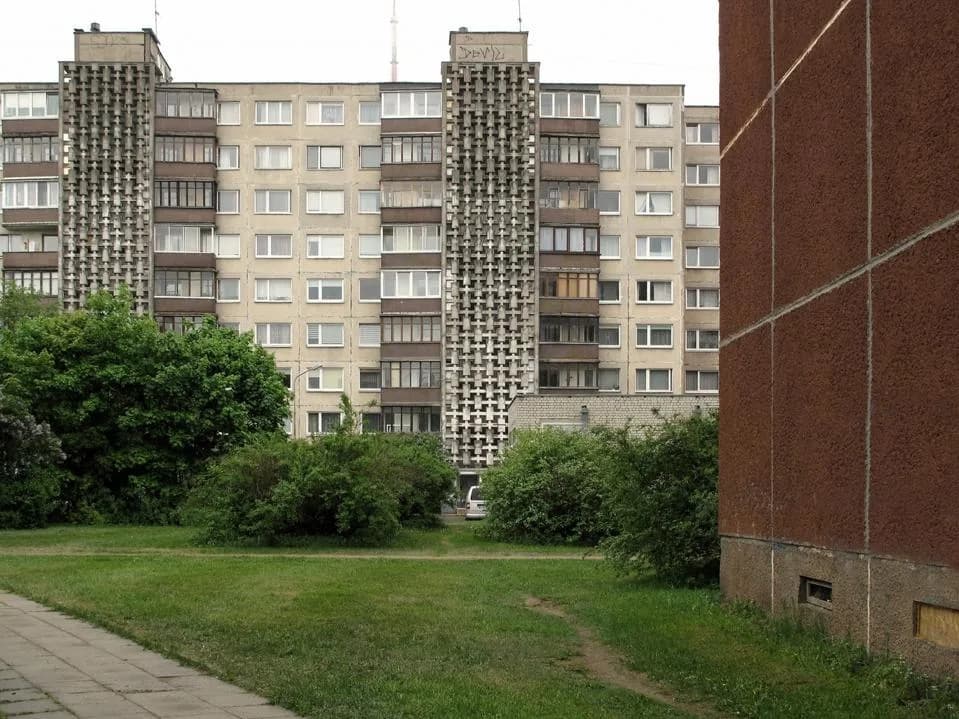
Communist-era prefabricated social housing buildings in Vilnius, Lithuaniagetty
Many apartment blocks and commercial buildings across Baltic capitals were constructed decades ago, with a significant share dating from the Soviet period. These structures increasingly struggle with aging internal systems and rising energy demand as climate pressures — coastal flooding, stronger windstorms and more intense heatwaves — add new strains.
Completely demolishing and rebuilding is often neither realistic nor desirable from environmental and economic perspectives. In many cases, retrofitting existing buildings presents a practical and sustainable alternative: upgrading structures and their surroundings without starting from scratch.
Why Retrofits Matter
Across the Baltics, deep renovation is gaining traction as a route to greater energy efficiency and as a broader tool to strengthen urban resilience. Comprehensive retrofits can substantially improve insulation, ventilation and heating distribution; reduce energy loss through windows, roofs and walls; and enable the integration of renewable energy such as rooftop solar.
"Building retrofits in the Baltic states are no longer just an energy efficiency measure. They are becoming a broader urban resilience tool — strengthening energy security and lowering household running costs," said Gustas Germanavičius, founder and CEO of InRento.
Typical Problems in Older Buildings
Many panel apartment blocks (mikrorajons) built between 1950 and 1990 still house large portions of urban populations. While thick precast concrete panels can remain serviceable for decades, internal systems are often failing: ageing plumbing, single-pipe district heating networks and outdated ventilation systems. Some Khrushchev- and early Brezhnev-era buildings retain aluminium two-wire electrical installations that were once adequate for a radio and a few bulbs but now experience voltage sags and elevated fire risk under modern loads.
Residents have sometimes altered flats — removing load-bearing partitions to enlarge living space — which can undermine vertical structural columns. Centralized one-pipe heating limits residents’ temperature control, so overheating is often remedied by opening windows, wasting municipal energy and driving up bills, particularly acutely during energy-price shocks linked to the Russia-Ukraine war.
Benefits Beyond Energy Savings
Well-designed retrofits improve comfort and safety, extend building lifespans and reduce energy consumption and bills. By lowering operating costs, they can help preserve housing affordability and reduce pressure from mortgage and interest rate fluctuations. From an urban planning and investment standpoint, retrofits can modernise ageing neighbourhoods and reduce the need for costly new construction.
"Retrofits help cities become more resilient by protecting housing affordability from several directions at once," Germanavičius added.
Risks and Implementation Challenges
Despite the benefits, retrofits face important hurdles. They can be expensive, particularly for small property owners, and often require specialised permits and complex approvals. Financing gaps risk concentrating renovations in commercially attractive urban centres while leaving peripheral areas behind.
Poorly designed or rushed renovations can also introduce new hazards: water ingress and mold, compromised load-bearing elements, and electrical and fire risks—all costly and dangerous. Governance fragmentation compounds the problem: energy upgrades often fall under different authorities than public-space renewal, stormwater management or biodiversity programmes.
Gintarė Kapočiūtė, partner and architect at BLUMA, warns: "A building may become more energy-efficient, but the neighbourhood as a whole will not necessarily become more resilient if it remains surrounded by impermeable paving, insufficient vegetation and aging public infrastructure."
What Effective Retrofits Require
To deliver neighbourhood-level resilience, building upgrades should be coordinated with renewal of underground utilities, public spaces, mobility infrastructure and green infrastructure. Projects must also account for social needs, equitable financing and technical capacity to avoid creating pockets of inequity or new safety risks.
When cities prioritise maximising the lifecycle of existing buildings and pair retrofits with wider urban-renewal measures, they are better positioned to manage ageing stock, limited land and climate threats in the years ahead.
Note: This article draws on examples from Vilnius and Riga and reporting originally published on Forbes.com.
Help us improve.