Women in Guernsey and across the UK report years of delay and dismissive responses before receiving an endometriosis diagnosis, with serious physical and emotional consequences. NICE has issued draft guidance proposing a three‑year GP pilot of two non‑invasive tests — Endotest (a saliva genetic test) and Endosure (an abdominal sensor test) — to speed diagnosis. Local health officials say they will review the kits' suitability as further evidence emerges while campaigning groups call for better awareness and faster referral pathways.
“I Lost Years Waiting”: How Delayed Endometriosis Diagnoses Could Be Cut By New Non‑Invasive Tests
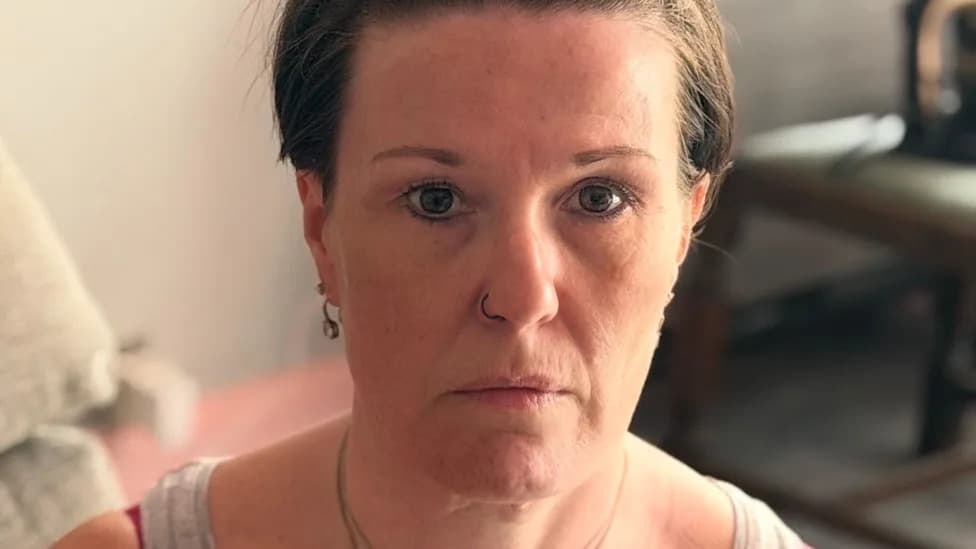
Lee-Ann Hawkes says it took eight years to get a diagnosis for endometriosis [BBC]
Women in Guernsey and across the UK who endured long, painful delays before receiving an endometriosis diagnosis say new non‑invasive test kits could transform care for people living with the condition.
Personal stories: the cost of delay
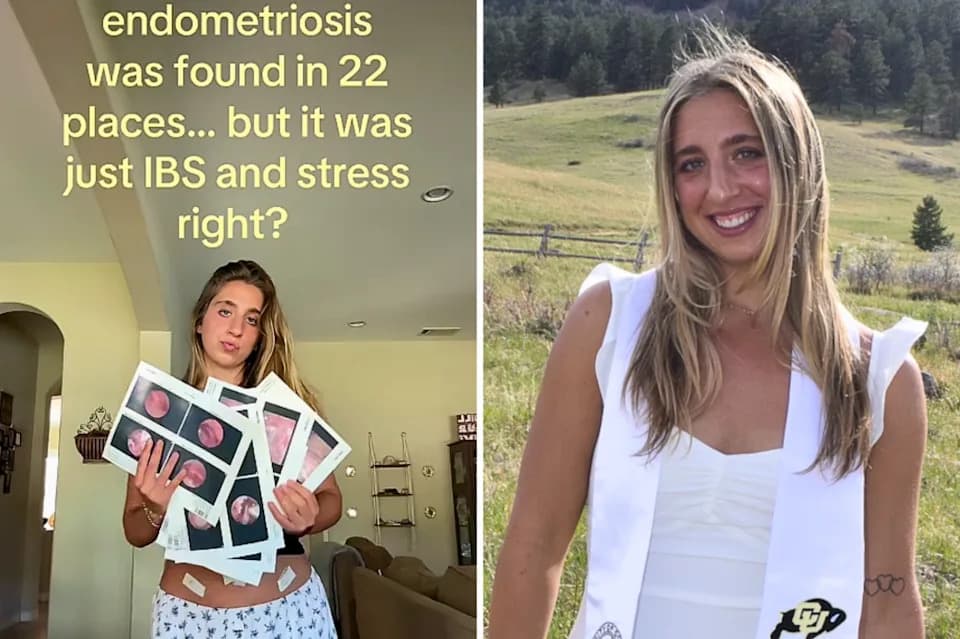
Lee‑Ann Hawkes says she "lost all of my 20s and most of my 30s" to endometriosis after symptoms began at 14 and it took eight years to be diagnosed. Now 46 and working as a personal assistant, Hawkes says early explanations from clinicians were limited to painkillers and the suggestion that some women simply have "heavier periods." Diagnosed at 26, she was transferred between hospitals in Guernsey and Southampton for surgery several times as symptoms recurred.
"It took about eight years for me to be referred and to be listened to," Hawkes recalls. "All I ever wanted to be was a mother, and I don't have that."
At 38 she underwent a hysterectomy in Southampton, where surgeons also found adenomyosis — a related condition in which the uterine lining grows into the muscular wall. She later had surgery for endometriosis on her small intestine. Despite the physical and emotional toll, Hawkes says she now feels she has her life back after successful treatment.
Lara Sharp, from Guernsey, waited three years for a diagnosis after first seeking help at 30. She describes mixed "good days and bad days" and says she was sometimes treated as if she were "over‑reacting" to a period. After a referral to gynaecology she received injections that reduced pain and ultimately had a hysterectomy, but she continues to seek further testing for ongoing symptoms.
"Sometimes you just want to know what the bad news is and then accept it, because at least then there are steps to control it," Sharp says. "I felt completely let down. I think they need to be trained more in women's health."
What is endometriosis?
Endometriosis occurs when tissue similar to the lining of the womb grows outside the uterus. It affects about one in 10 women and people assigned female at birth in the UK and can cause severe pelvic pain, heavy menstrual bleeding, fatigue and infertility. The condition can be complex to diagnose because symptoms vary and overlap with other disorders.
New tests and proposed pilot
The National Institute for Health and Care Excellence (NICE) has published draft guidance recommending two non‑invasive tests be offered by GPs in a planned three‑year pilot across England and Wales while further evidence is gathered:
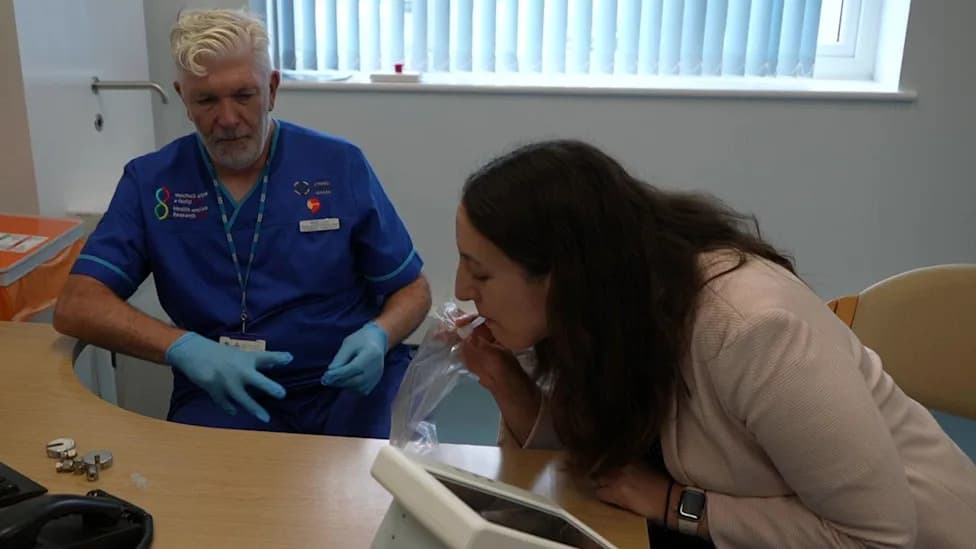
- Endotest — a saliva test that looks for genetic markers linked to endometriosis.
- Endosure — a diagnostic that measures electrical signals in the gut using sensor pads placed on the abdomen.
Patients and campaigners hope these tests will reduce reliance on invasive exploratory surgery and shorten long diagnostic journeys.
Local response and next steps
Health and Social Care in Guernsey said the kits have not yet been rolled out in the UK and that it will "consider their relevance and suitability" for Guernsey as more evidence becomes available. Dr Peter Rabey, Medical Director for Guernsey’s Health and Social Care, acknowledged that some people felt unheard and stressed the service’s commitment to improving pathways so patients receive timely assessment, treatment and ongoing support.
"No one should feel that their symptoms are dismissed," Dr Rabey said. "Endometriosis is a complex condition that spans both primary and secondary care, and we are committed to strengthening how these services work together."
Where to find support
Further information and support is available from local health services such as States of Guernsey Health & Social Care and national bodies including the NHS, which offer resources on endometriosis and related conditions such as adenomyosis. Patient groups and charities can also provide practical advice and peer support for people navigating diagnosis and treatment.
Help us improve.