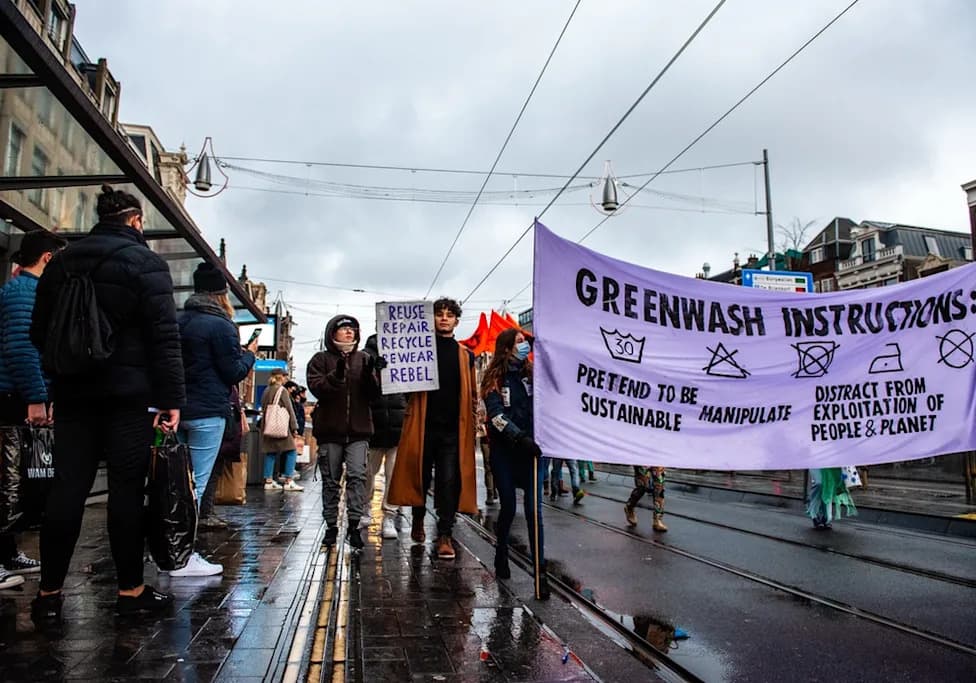
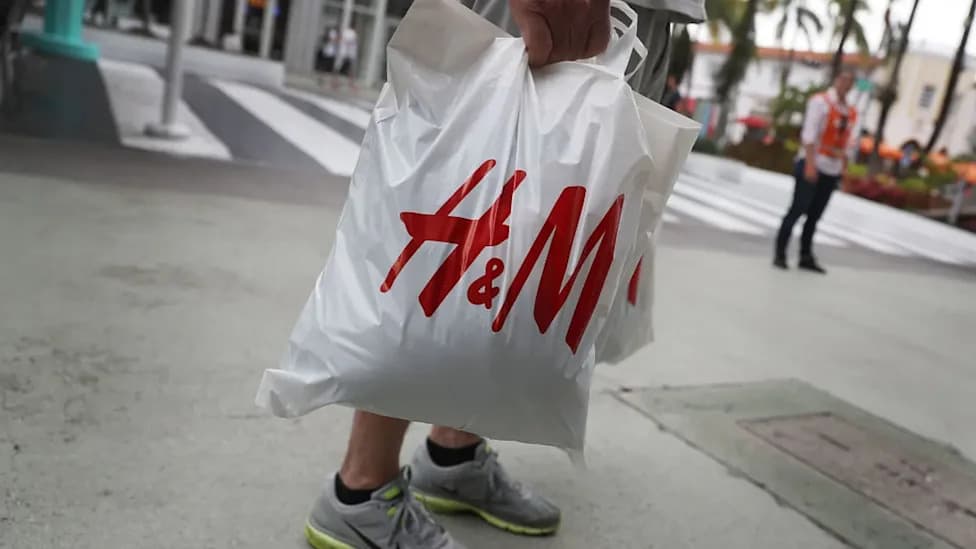
Deutsche Welle reviewed 468 sustainability commitments from 17 major apparel brands and found that by 2024 about half of targets with past deadlines were completed, roughly one-third were unmet, and the rest were unclear. Around one-third of all pledges have deadlines after 2025, often set for 2030 or 2050, which complicates near-term accountability. European rules such as the Corporate Sustainability Reporting Directive and the upcoming Empowering Consumers for the Green Transition directive aim to curb greenwashing and require verifiable evidence for broad environmental claims.
EU Review: One in Three Fashion Sustainability Targets Missed or Deferred
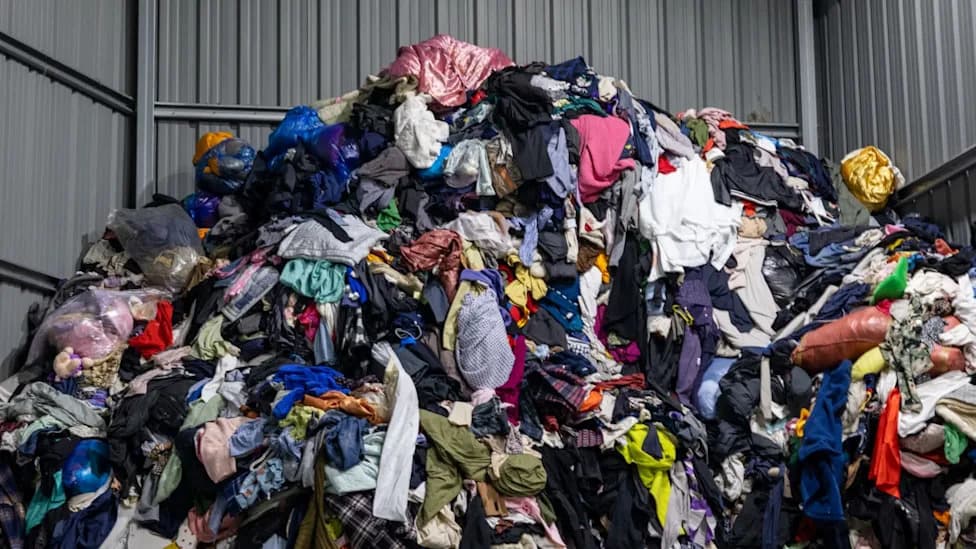
Photo Credit: iStock
Sustainability has become central to fashion marketing, but a Europe-focused review suggests many major apparel firms are falling short — either missing environmental targets or postponing deadlines so far ahead that consumers cannot yet judge progress.
Key Findings
Deutsche Welle examined 468 sustainability commitments made by 17 leading clothing brands for the European Data Journalism Network. By 2024, the review found that companies had completed roughly half of the targets tied to deadlines that had already passed. About one-third of those goals were not met, while the remainder could not be clearly verified.
Timing and Accountability
The study also flagged timing as a major concern: roughly one-third of all commitments carry deadlines after 2025. Many targets point to 2030 — a flagship milestone of the European Green Deal — and others extend to 2050, the EU's climate-neutrality goal. Shorter deadlines are more easily audited now; distant targets can appear ambitious while remaining outside immediate public scrutiny.
Market Differences
Deadlines vary by market segment. Fast-fashion chains, sportswear labels and other mass-market brands tend to set nearer-term objectives, whereas luxury brands more often rely on long-range pledges that are harder to verify today.
Environmental and Consumer Impacts
Clothing production places heavy demands on natural resources. The sector is estimated to account for about 2%–7% of global carbon dioxide emissions, and processes such as fiber production, spinning, dyeing and weaving consume large volumes of water and can release hazardous chemicals.
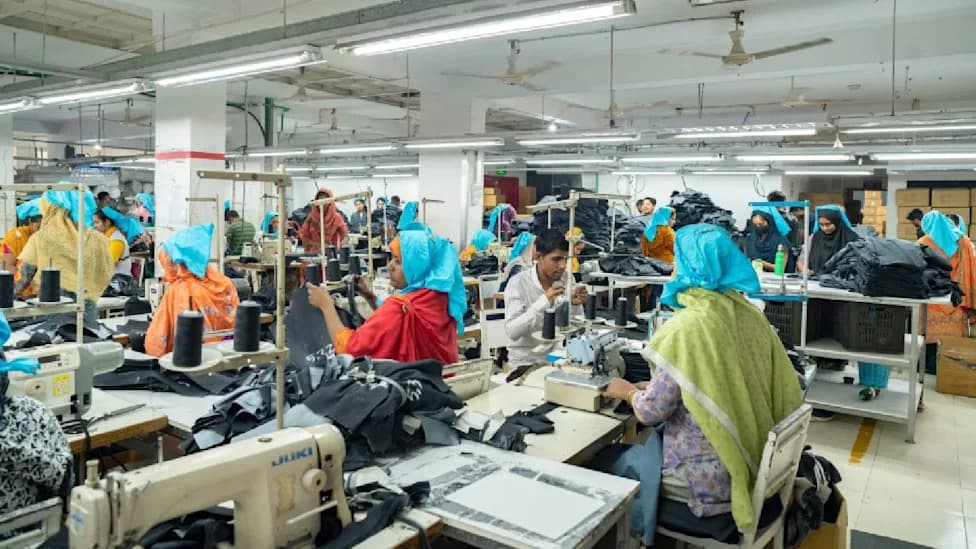
Fast fashion — driven by mass production of low-cost items — exacerbates pollution, contaminates waterways and is frequently linked to exploitative labor practices across global supply chains. It can also hit household budgets: cheaply made garments may lose shape or wear out quickly, forcing consumers to replace them more often.
"It is up to companies to demonstrate the validity of their claims. It is not up to society to investigate or prove how the company intends to achieve its stated goal," said Bianca Morales, Head of Sustainable Consumption and Production at BEUC, which represents 42 European consumer associations.
Regulatory Response
European regulators are tightening rules on environmental claims. Existing measures such as the Corporate Sustainability Reporting Directive are pushing firms toward more rigorous environmental, social and governance disclosure. Current consumer law — notably the Unfair Commercial Practices Directive (2006) — already prohibits misleading commercial practices, including unsubstantiated environmental claims.
Further change arrives with the Empowering Consumers for the Green Transition directive, due to take effect in September 2026. The directive aims to clarify anti-greenwashing rules: vague labels like "eco-friendly" or "sustainable" could be restricted unless companies provide verifiable evidence, and pledges tied to distant deadlines may face stricter scrutiny.
What This Means: Consumers and watchdogs will gain stronger tools to challenge vague or unproven claims, while brands will face growing pressure to set measurable, near-term goals and publish clear, verifiable evidence of progress.
Help us improve.