Extinction Rebellion has admitted throwing paint-filled balloons mixed with a corrosive agent at a Microsoft data centre construction site in Amsterdam to protest the environmental and social impacts of rapidly expanding AI facilities. The group says the mixture was intended to degrade concrete and speed rusting of steel, but the extent of any damage remains unclear. The incident highlights broader concerns about data centres' heavy demands on electricity and water, local grid strain, and disputes over where such facilities should be built and how they are powered.
Amsterdam Activists Admit Throwing Acid-Laced Paint Balloons at Microsoft Data Centre Site
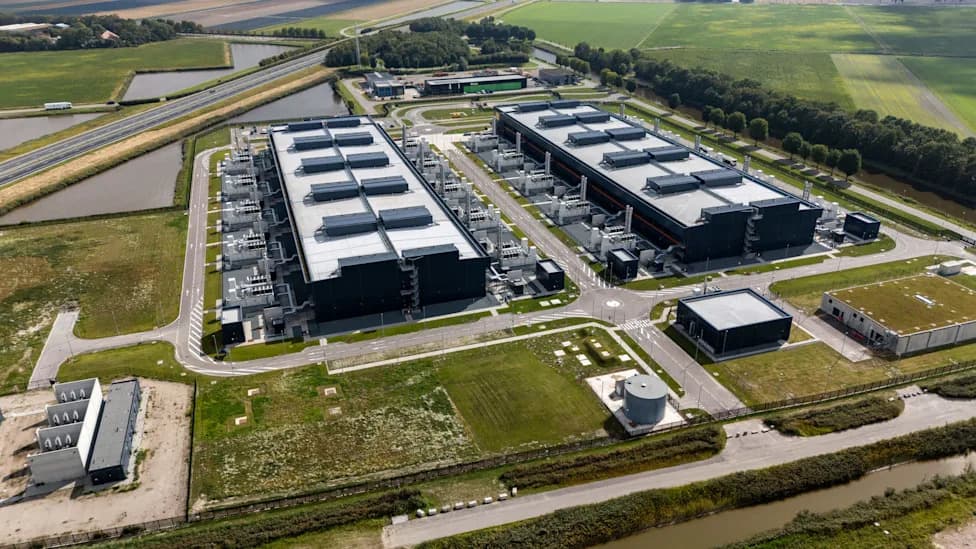
Photo Credit: iStock
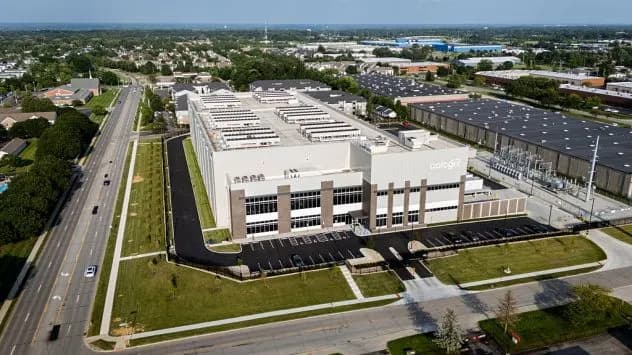
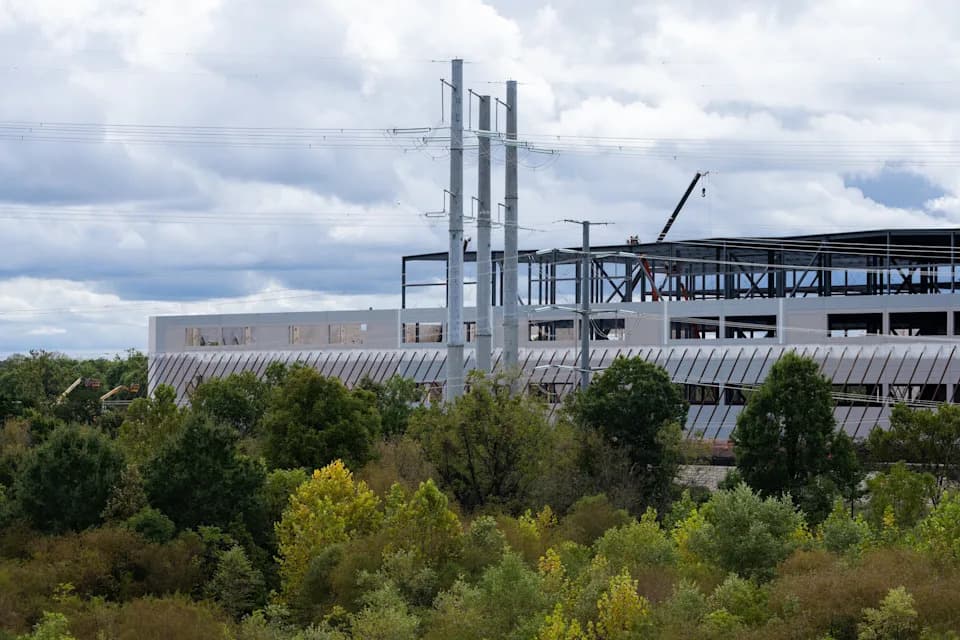
Extinction Rebellion has claimed responsibility for an act of vandalism at a Microsoft data centre construction site in Amsterdam, saying members hurled paint-filled balloons mixed with a corrosive agent to protest the environmental and social costs of rapidly expanding AI infrastructure.
What Happened
The group told reporters that the balloons contained a corrosive solution designed to degrade concrete and accelerate rust on steel. It is not yet clear whether the action caused any structural damage; authorities and the construction operator have not confirmed significant harm.
Why Activists Say They Acted
Extinction Rebellion argues the development exploits a regulatory loophole to sidestep restrictions on large cloud providers, often referred to as hyperscalers. The group says the facility would demand enormous amounts of electricity and water in an area already facing power shortages and resource stress.
"The fight against data centres clearly shows how ordinary people unite against the power of big capital," said Extinction Rebellion spokesperson Martijn Dekker. "Stopping the construction of this data centre is a necessary step in that regard."
Wider Context
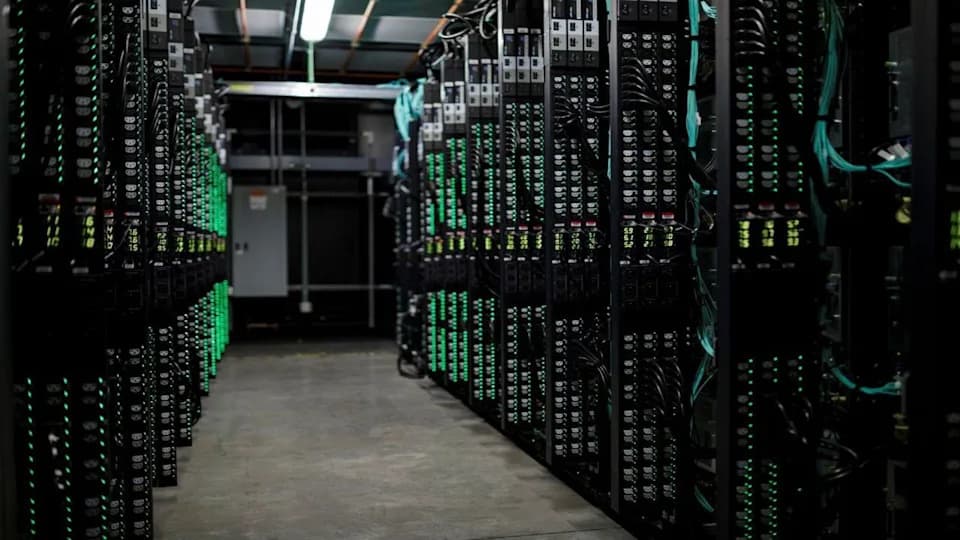
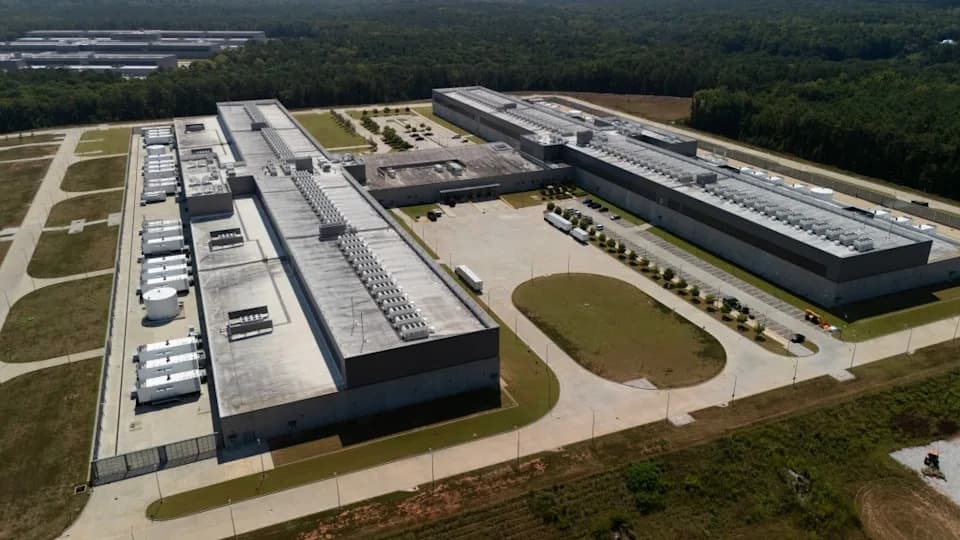
Data centres have become a flashpoint in climate and community debates because they consume large quantities of electricity and water, require continuous cooling, and can strain local grids. Nearby residents and local officials frequently raise concerns about grid instability, competition for water resources, pollution from backup generators, and the potential for higher energy costs if infrastructure expenses are passed on to consumers.
Proponents of AI and cloud infrastructure say the technology can also help utilities forecast demand, improve grid efficiency, and optimise renewable energy integration. Still, critics warn these benefits may not offset the scale of resource consumption and the social impacts on host communities.
Possible Mitigations
Industry and regulators are exploring measures to reduce the environmental footprint of data centres, including more efficient server chips, cleaner electricity procurement, and cooling systems that use less water. However, such improvements may not fully eliminate the pressure that large-scale AI workloads place on local infrastructure.
Reporting
The incident and the activists statements were reported by Futurism and The Register.
Help us improve.