Microsoft has applied a biomimicry approach at more than 20 data-center sites in the U.S. and Germany, restoring wetlands, prairies and native habitats and running an Azure-based Ecosystem Intelligence tool to track outcomes. Major projects include roughly 100 acres of restoration in Mount Pleasant and 185 acres plus 25,000 trees in Mecklenburg County. At the same time, Microsoft’s emissions rose about 25% in fiscal 2025 and it signed a 20-year power purchase agreement with Chevron for a West Texas gas plant. Critics call for independent verification of ecological outcomes and point to community concerns about tree loss, traffic and water use.
Microsoft Plants Native Habitats Around 20+ Data Centers — But Emissions and a 20-Year Gas Deal Raise Questions
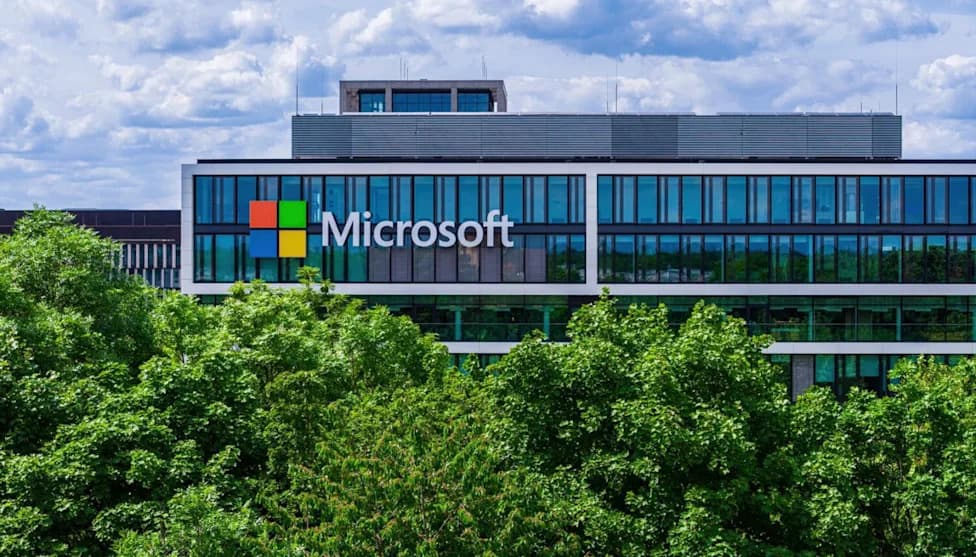
Image: Deposit Photos
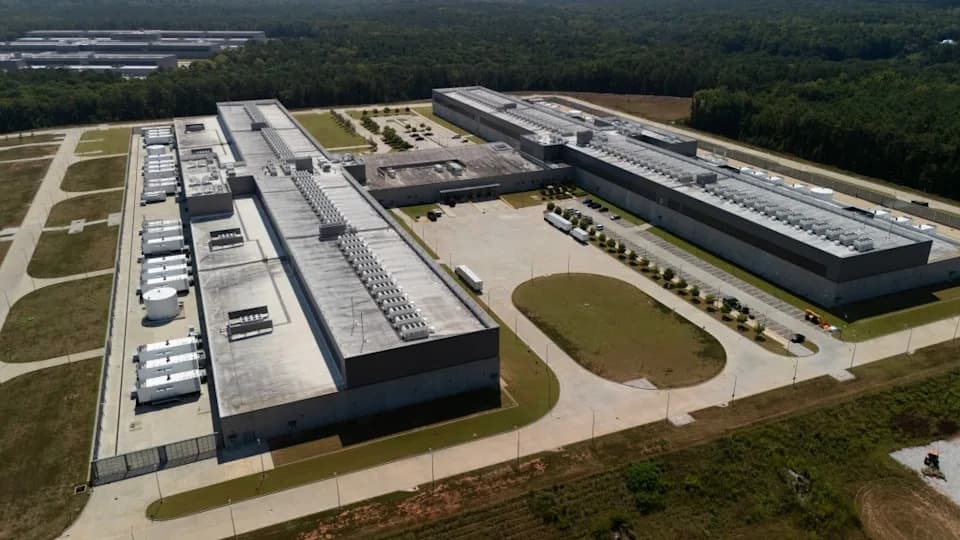
Walk the perimeter of Microsoft’s Fairwater campus in Mount Pleasant, Wisconsin, and you’ll see wetland restoration, native prairie and riparian buffers along Lamparek Creek. Step inside the fence and you’re looking at what Microsoft calls the world’s most powerful AI data center — a striking contrast at the heart of its biomimicry program.
What Microsoft Is Doing
Microsoft says it has applied nature-focused design at more than 20 sites across the United States and Germany, and plans to extend the approach to all new U.S. projects. Ecological restoration and native-plant landscaping have become recurring elements in the company’s data center development, with site-specific habitat work that includes wetlands, prairies, riparian buffers and pollinator plantings.
Site Examples
Mount Pleasant, WI: In partnership with the Root-Pike Watershed Initiative Network, Microsoft reports restoring Lamparek Creek and adding roughly 100 acres of prairie and forest alongside wetlands and riparian buffers.
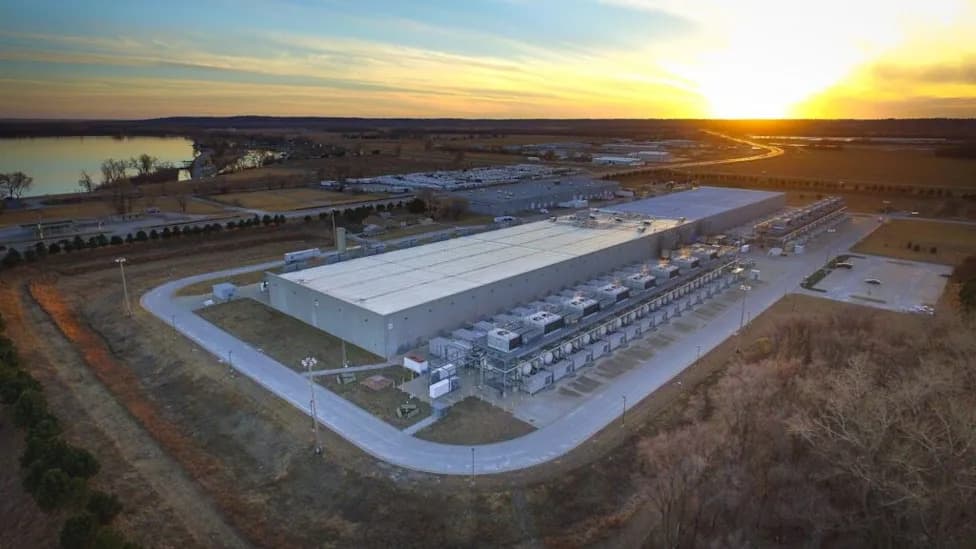
Mecklenburg County, VA: The company reports restoring 185 acres of native pollinator habitat, planting more than 25,000 trees and establishing 45 acres of forested buffers.
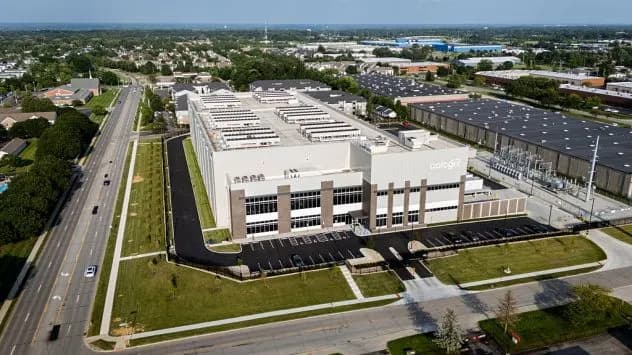
East Point, GA: Planned campus features include walking trails, mature trees and native plantings intended to screen the facilities visually.
Europe: Bedburg, Germany includes ecological corridors, wetland and stormwater features, and native habitat. Microsoft’s biomimicry work began at the Middenmeer, Netherlands site in 2022 with 150 trees and about 2,300 sq m of native greenery.
Measuring Outcomes
Microsoft uses an Ecosystem Intelligence tool running on Azure to quantify functions such as water quality, biodiversity and noise reduction. The company says this framework helps track restoration outcomes, but critics seek independent verification of those metrics and public disclosure to affected communities.
Rising Emissions and a Long Gas Deal
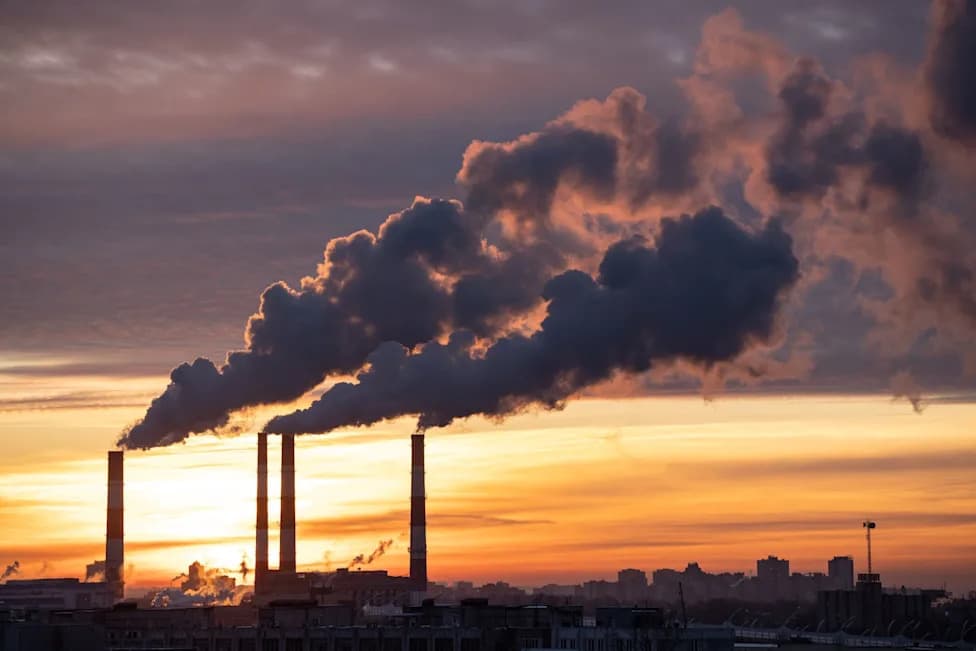
Behind the plantings, Microsoft’s reported emissions rose sharply. According to the company’s 2026 Environmental Sustainability Report, total emissions increased roughly 25% in fiscal 2025 — from about 16.2 million to 20.3 million metric tons CO2e — driven mainly by data center expansion and the suspension of certain unbundled renewable-energy certificates.
In June, Microsoft signed a 20-year agreement to buy power from a planned Chevron natural-gas plant in West Texas. Chevron estimates the facility could supply around 2.67 GW, with first power expected in 2028. Microsoft frames the deal as part of a transitional energy strategy to support AI at global scale.
Local Impacts, Policy Responses and Water Use
Some local projects have prompted controversy. In San Antonio, a 2022 approval allowed removal of 2,642 trees from a 33-acre tract for one data-center project. Councilmember Ric Galvan, whose district hosts more than a dozen AI data centers, has cited persistent community concerns about traffic, tree loss and environmental impacts.
State-level responses include a temporary pause by Texas Governor Greg Abbott on approvals for certain data-center grid connections while regulators audit the sector; he also restricted new data-center permits by the state environmental agency during the review.
The Houston Advanced Research Center estimated data centers accounted for roughly 0.4% of Texas’ total water use in 2025, with projections that the share could rise to between 0.5% and 2.7% by 2030 — a potential planning challenge for water-stressed regions.
Critics and the Case for Independent Verification
“Basically lipstick on a pig.” — Adrian Shelley, Texas director of Public Citizen
Critics say visible habitat plantings risk being perceived as greenwashing unless restoration commitments are backed by transparent, independently verifiable data on ecological outcomes. Former Microsoft ecosystem restoration lead Holly Alpine noted a continuing gap between the pace of data-center buildouts and sustainability goals. Erin Kinney of the Houston Advanced Research Center emphasized that the core test is how Microsoft calculates, tracks, and shares ecological outcomes with communities, not simply whether plantings exist.
Company Commitments
Microsoft maintains its goal to be carbon negative by 2030 and to be water positive. The company reports meeting its water-positive objective for fiscal 2025 under its own methodology. Microsoft argues that a mix of energy solutions will be needed in the near term to support global-scale AI, and it frames the Chevron agreement as part of that transition.
Bottom Line
Microsoft’s biomimicry program shows a growing effort to pair industrial infrastructure with on-site ecological restoration. But the program’s credibility will depend on long-term, independent measurement and transparent reporting of habitat survival, water quality and other ecological outcomes — metrics that matter more than the number of trees planted along a fence line.
Help us improve.