Al Carns has declined a ministerial offer from Prime Minister Andy Burnham, saying he will not join government until the defence funding dispute is resolved. Carns resigned in June alongside John Healey over what they called inadequate military spending; a subsequent small increase to the Defence Investment Plan still left a £4.7bn shortfall. He welcomed Healey's appointment as chancellor and says he will campaign from the backbenches for higher defence investment. New Defence Secretary Wes Streeting emphasises value-for-money and modernisation, while Burnham aims to meet NATO's 3.5% GDP target by 2035.
Al Carns Rejects Ministerial Offer, Says Defence Funding Remains Inadequate
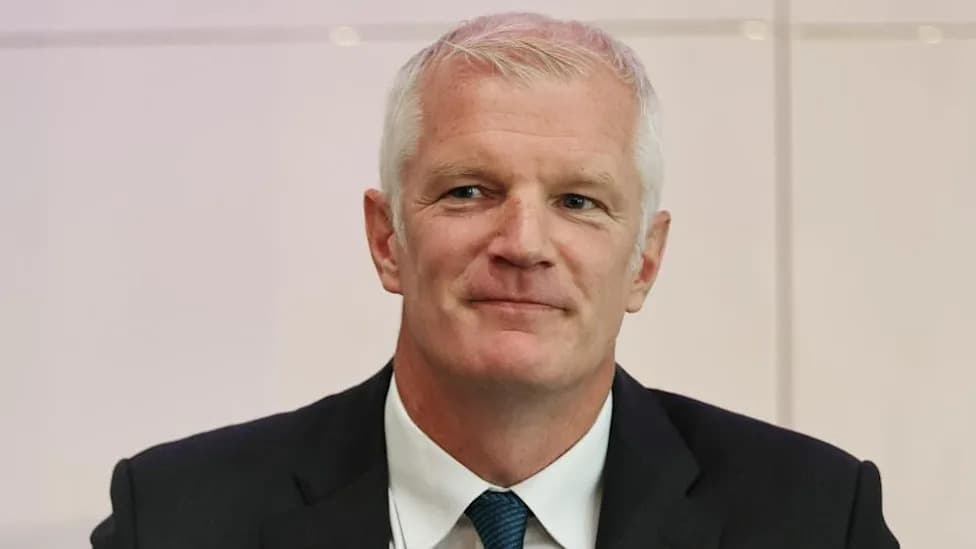
Al Carns resigned from ex-PM Sir Keir Starmer's government citing concerns over defence spending [EPA]
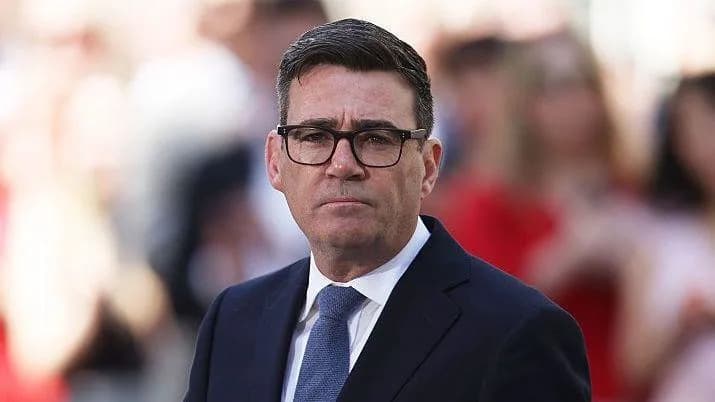
Former defence minister Al Carns has declined an offer to join Prime Minister Andy Burnham's new government, saying he cannot accept while the issue of defence funding remains unresolved.
Why He Turned It Down
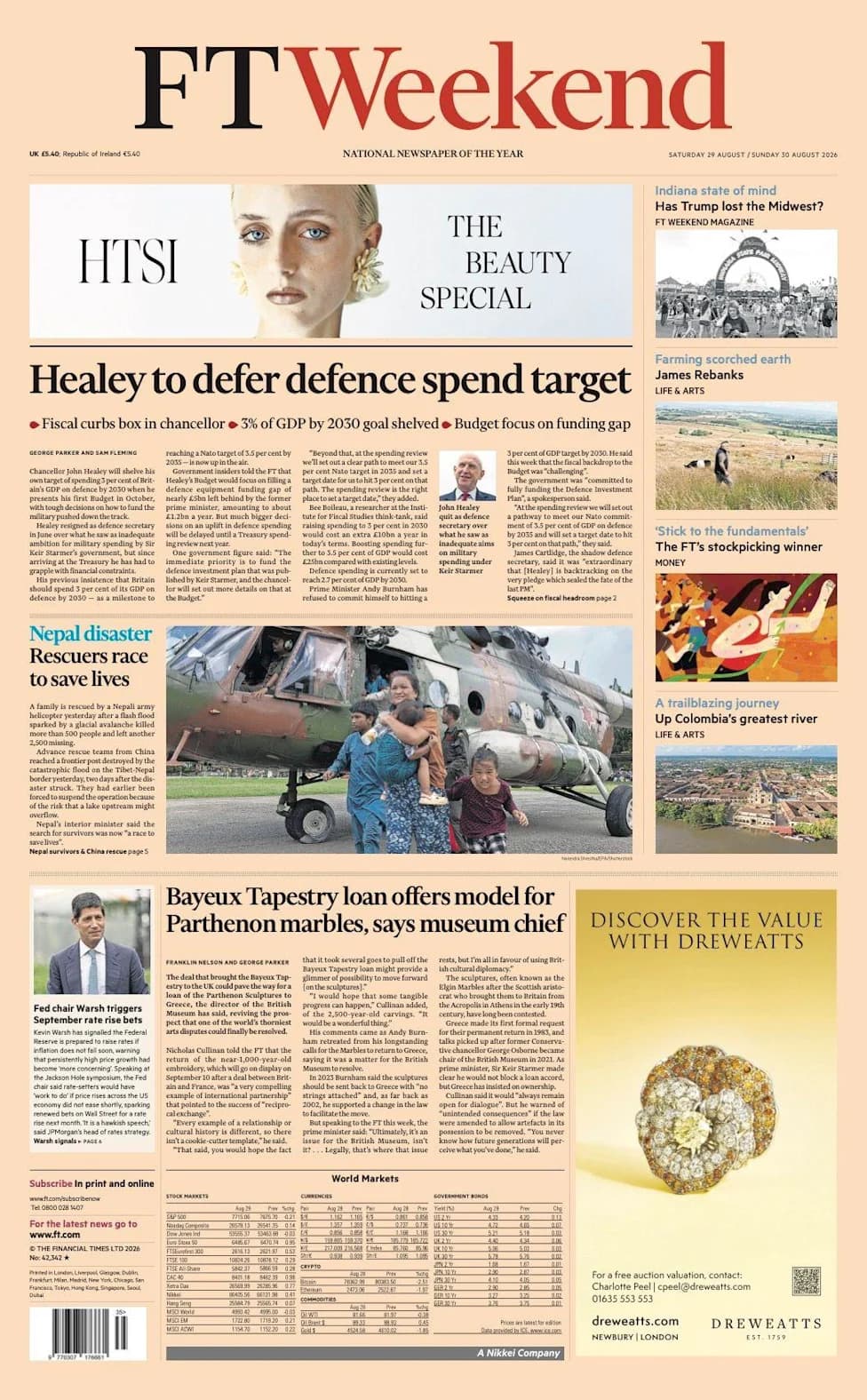
Carns resigned in June from Sir Keir Starmer's government alongside John Healey in protest at what they described as insufficient planned military spending. Although Sir Keir later appointed Dan Jarvis as defence secretary and added a modest boost to the long-delayed Defence Investment Plan (DIP), the package still left an estimated £4.7bn shortfall.
According to Carns, the chief whip, Anneliese Midgely, subsequently offered him a ministerial role in Prime Minister Burnham's administration. Carns says he turned the offer down because accepting a position now would signal that his campaign for higher defence funding was over.
"I resigned in June because I did not believe the defence funding on the table was adequate for the threats this country faces. I said so publicly and I still stand by every word," Carns posted on social media. "I've always said I would serve where I am asked. In normal circumstances, that is exactly what I would do, but the argument I resigned over has not yet been settled."
Political Context And Reactions
Carns welcomed the appointment of his former boss, John Healey, as chancellor, saying Healey is "a man of his word" and is committed to finding the additional funds he believes are needed to keep the UK secure. Carns said he will continue to press for increased defence investment from the backbenches.
New Defence Secretary Wes Streeting said he wants to ensure "every penny is spent wisely" and argued investment must be tied to modernisation. Prime Minister Burnham has pledged to honour the UK's defence commitments, including an ambition to meet NATO's core defence-spending target of 3.5% of GDP by 2035. Conservative shadow defence secretary James Cartlidge has questioned whether spending will reach 3% within the current Parliament, which runs until 2029.
Related Departures And Appointments
Healey's resignation in June, coming from a senior cabinet ally of Sir Keir, was a key factor in the collapse of the former prime minister's administration. After Healey stepped down, Carns and Pamela Nash (Healey's former parliamentary assistant) also resigned. Those departures preceded the Makerfield by-election, which helped propel Andy Burnham back to Westminster and into No 10.
Other recent changes include Dan Jarvis moving back to the security brief after a short spell as defence secretary and Wes Streeting, previously health secretary, taking the defence role. Former immigration minister Mike Tapp left his post following a dispute over immigration reforms with Home Secretary Shabana Mahmood. Two further ministers, Natalie Fleet and Mary Creagh, also announced their resignations; Fleet cited that the safeguarding brief had proved "overwhelmingly triggering" given her experiences of sexual abuse as a teenager.
Downing Street published a further round of appointments that included a peerage for Scottish Labour leader Anas Sarwar, enabling him to take up a ministerial role in Burnham's government.
What Comes Next
Carns intends to remain on the backbenches and continue advocating for increased defence investment while watching early signals from Chancellor Healey and the new defence team. The debate over defence spending, how quickly it will rise and whether it will meet NATO-related targets, remains a central political test for the new administration.
Help us improve.