House Speaker Mike Johnson is moving a Republican-only $95 billion budget resolution through reconciliation to fund U.S. operations related to Iran and several Trump-aligned priorities. The proposal directs $60 billion to the Pentagon, $13 billion for other national security needs, $12 billion for farmers and $10 billion for voting-law changes tied to the SAVE America Act. Republicans say reconciliation is the fastest route in a split Congress, while Democrats warn the plan diverts resources from domestic priorities and could create barriers for eligible voters. The bill faces divisions within the GOP and an uncertain path in the Senate.
House Republicans Push $95B Reconciliation Plan To Fund Iran War And Trump Priorities

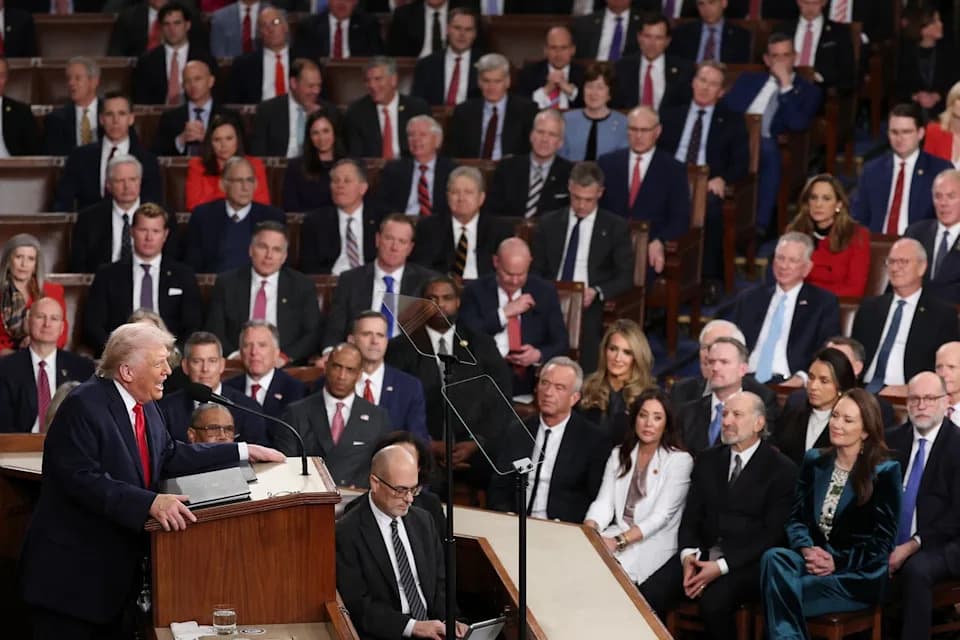
Speaker of the House Mike Johnson, R-La., leaves the chamber as members debate a series of measures including a continuing resolution to fund the government and a spending package for the Iran war, at the Capitol in Washington, Tuesday, July 21, 2026. (AP Photo/J. Scott Applewhite)(AP Photo/J. Scott Applewhite)
WASHINGTON — House Speaker Mike Johnson is advancing a Republican-only $95 billion budget resolution aimed at financing U.S. military operations related to Iran and several top priorities of former President Donald Trump, setting up a high-stakes partisan fight ahead of the midterm elections.

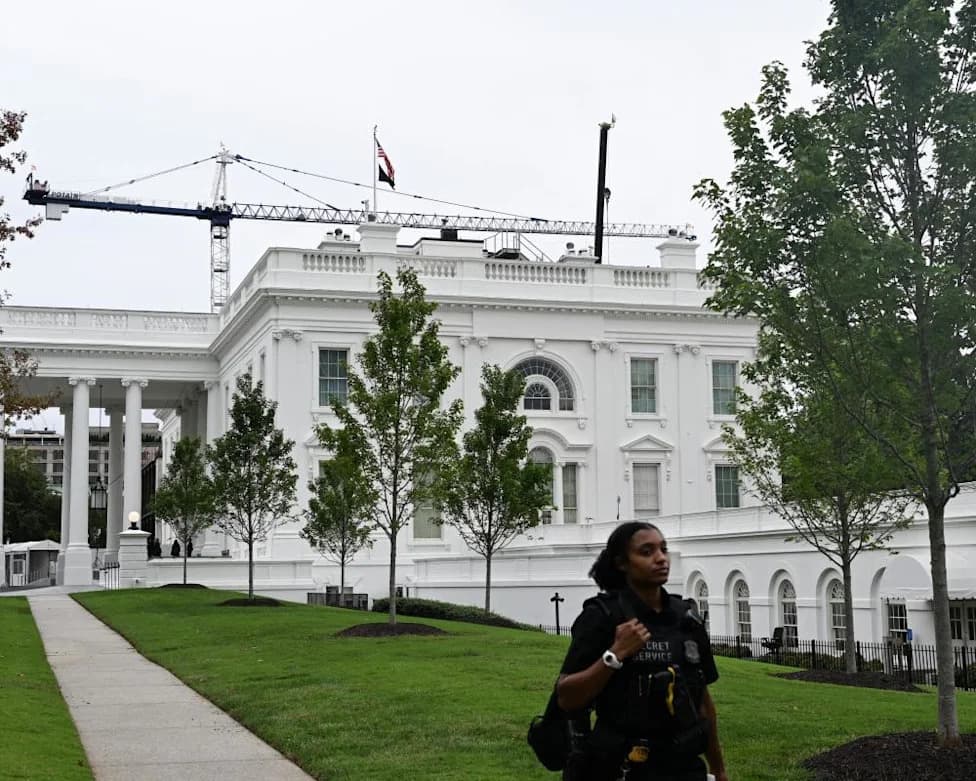
Lindsay Hoyle, speaker of the House of Commons, left, is welcomed by Speaker of the House Mike Johnson, R-La., as they meet at the Capitol in Washington, Tuesday, July 21, 2026. (AP Photo/J. Scott Applewhite)(AP Photo/J. Scott Applewhite)
The plan — which House GOP leaders intend to move through the budget reconciliation process — would allocate $60 billion to the Pentagon, $13 billion for other national security needs, $12 billion in aid for farmers hurt by tariffs and $10 billion for voting-law changes tied to the SAVE America Act and proof-of-citizenship requirements.

Rep. Anna Paulina Luna, R-Fla., is pursued by reporters as she leaves the chamber, at the Capitol in Washington, Tuesday, July 21, 2026. (AP Photo/J. Scott Applewhite)(AP Photo/J. Scott Applewhite)
Republicans argue the go-it-alone approach is the fastest path to enact administration priorities in a divided Congress, using reconciliation to bypass the Senate filibuster and approve the package by simple majority vote.
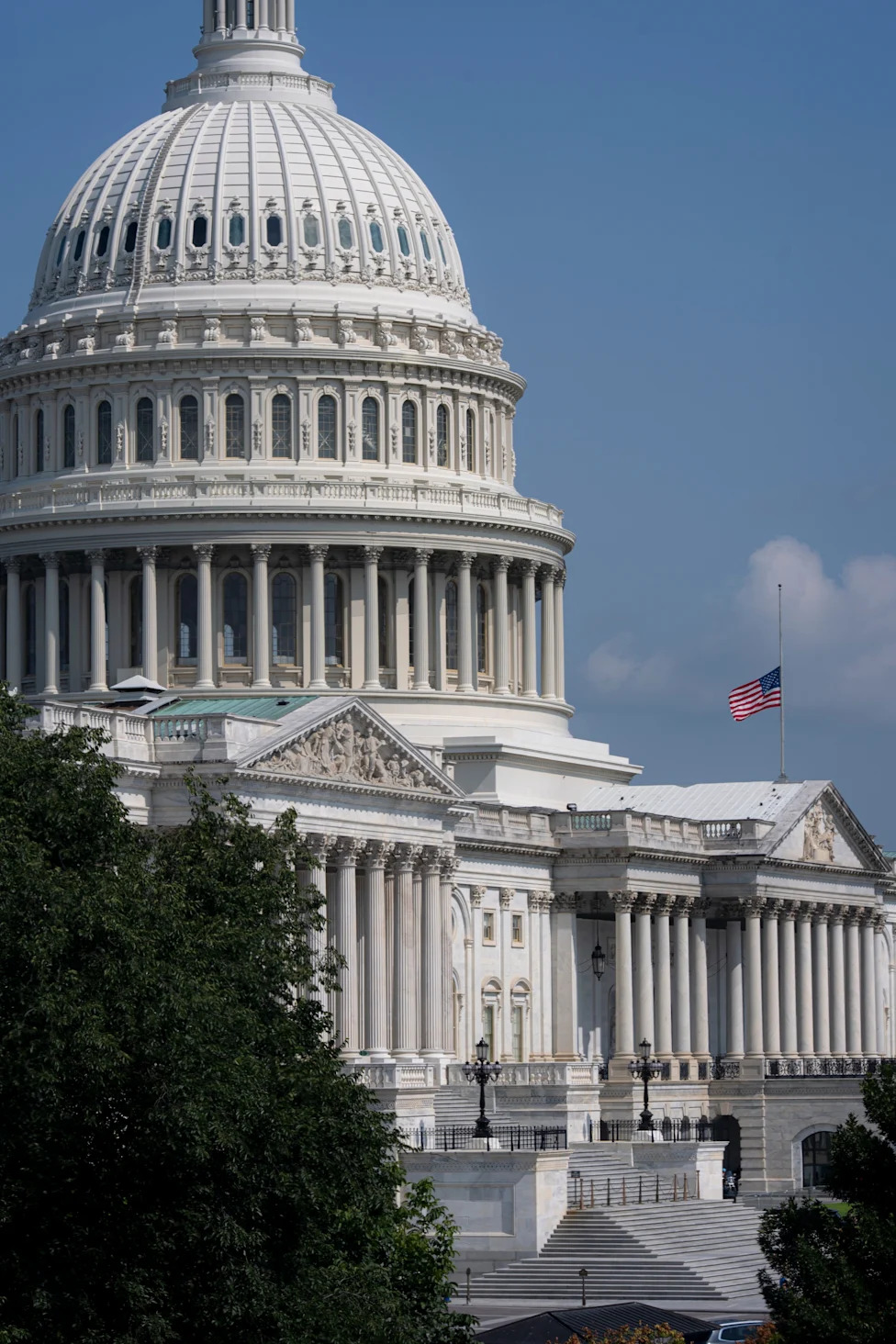
The U.S. Capitol is seen from the Cannon House Office Building as Republican lawmakers passed a bill to fund the federal government through Dec. 4, in Washington, Wednesday, July 22, 2026. (AP Photo/J. Scott Applewhite)(AP Photo/J. Scott Applewhite)
“Just bullets and bombs to finish the job,” said Rep. Jodey Arrington (R-Texas), chairman of the House Budget Committee. Supporters emphasize funds are needed to keep forces ready and pay troops amid what Pentagon officials say are tightening balances.
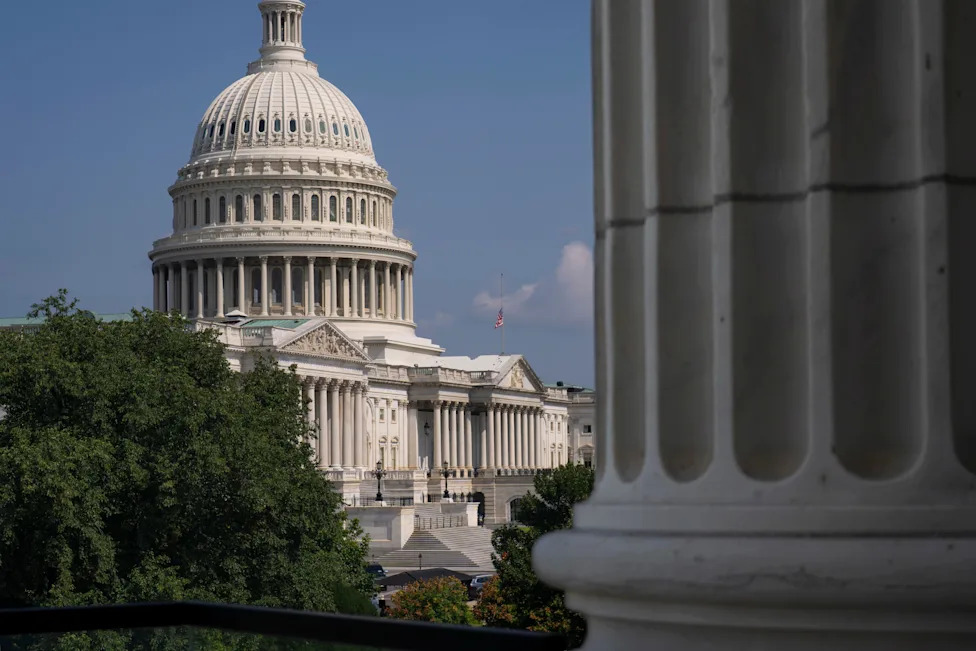
The U.S. Capitol is seen from the Cannon House Office Building as Republican lawmakers passed a bill to fund the federal government through Dec. 4, in Washington, Wednesday, July 22, 2026. (AP Photo/J. Scott Applewhite)(AP Photo/J. Scott Applewhite)
Critics contend the measure diverts resources from domestic needs. “Republicans plan to spend tens of billions of dollars on Trump’s failed war in Iran,” said Rep. Pete Aguilar (D-Calif.), chairman of the House Democratic Caucus. House Democratic Leader Hakeem Jeffries accused Republicans of prioritizing foreign military spending over vulnerable Americans at home.
The debate is unfolding as the administration marked the dignified transfer of four U.S. service members killed in the Middle East, bringing the reported military death toll in the conflict to 18. Defense Secretary Pete Hegseth testified this week that the Pentagon is straining for cash despite a one-time $150 billion allotment included in last year’s budget legislation.
Even if the House approves the resolution, its path through the Senate is uncertain. Senate Republicans are split: some favor more robust military funding, while others insist new spending be offset by cuts. Senate Majority Leader John Thune has been noncommittal and has signaled that his immediate priority is avoiding a government shutdown by passing a continuing resolution before Sept. 30.
Election-law provisions in the proposal have also drawn scrutiny. The SAVE America Act’s proof-of-citizenship requirement is legally redundant for federal elections — noncitizens are already barred from voting — but experts warn new documentation rules could create barriers for some eligible voters. Estimates suggest roughly 9% of voting-age U.S. citizens (about 21.3 million people) do not have ready proof of citizenship, and nearly half of Americans do not hold a U.S. passport.
What Happens Next: If the House passes the budget resolution, it would issue instructions to committees to draft reconciliation bills. Johnson hopes committees could complete their work over the summer, with final votes scheduled after the August recess. Senate consideration would likely include extended debate and politically sensitive amendments that many senators seek to avoid in an election year.
Help us improve.