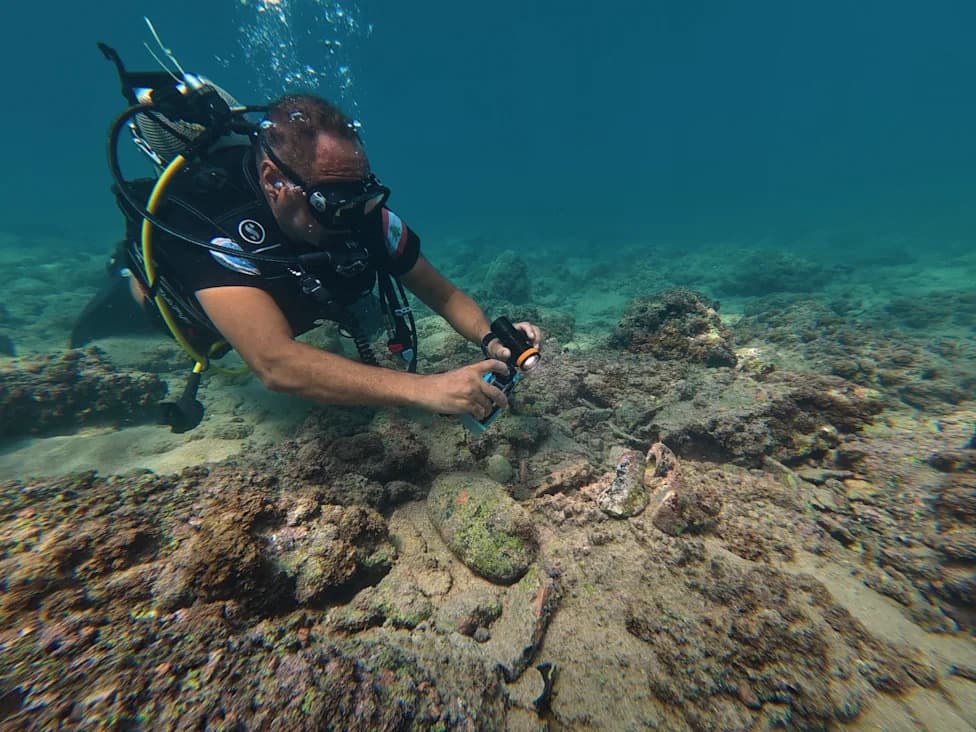
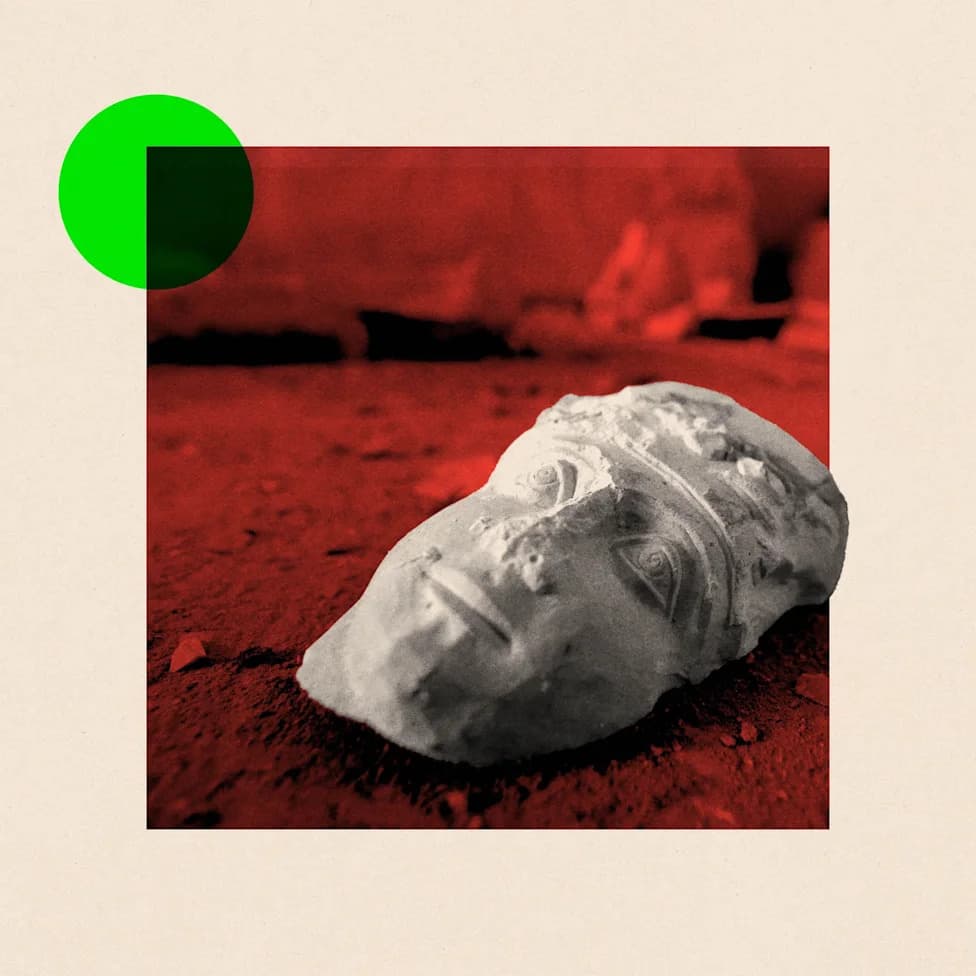
UNESCO has placed the ancient city of Tyre in southern Lebanon on its List of World Heritage in Danger after recent bombardment caused direct damage and raised conservation concerns. The Lebanese government requested the inscription, citing damage to Roman-era monuments including a triumphal arch and a 2nd-century hippodrome. Reports say one protected site was struck in June, damaging columns, capitals and mosaics. The decision was announced during UNESCO's 48th World Heritage Committee session in Busan, South Korea.
UNESCO Adds Ancient Lebanese City Tyre To World Heritage In Danger After Bombardment
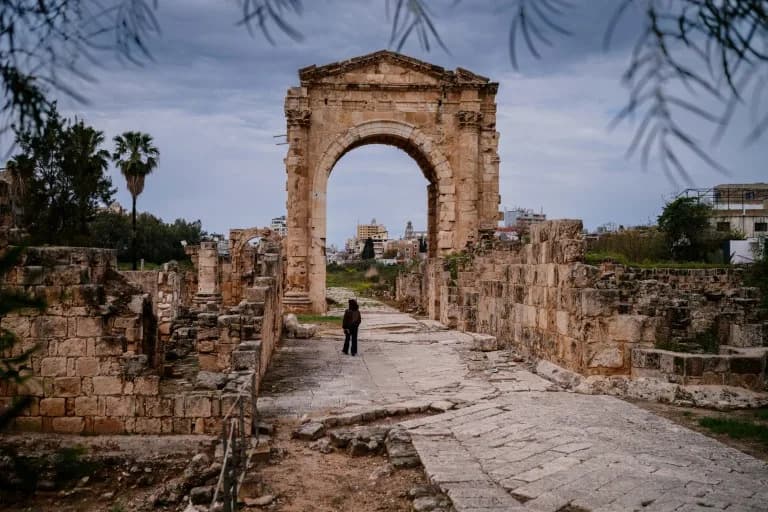
Inhabitants of Tyre, an ancient heritage site near the border with Israel, fled en masse following an evacuation order ahead of air strikes (Dimitar DILKOFF)
UNESCO announced on Wednesday that Tyre, the ancient Phoenician city in southern Lebanon, has been added to its List of World Heritage in Danger after sustaining direct hits and mounting conservation concerns amid recent hostilities.
“The site has been directly hit and has sustained damage. Furthermore, its state of conservation is a cause for growing concern, particularly given the possibility of further impacts,” the organisation said, adding that “optimal conditions are no longer in place to ensure the conservation and protection of the property's outstanding universal value.” UNESCO noted that the Lebanese government requested the site's inscription on the danger list.
The archaeological remains at Tyre, located about 80 kilometres (50 miles) south of Beirut and roughly 20 kilometres from the Israeli border, were first inscribed as a UNESCO World Heritage Site in 1984. The site is dominated by Roman-era monuments, including a Roman triumphal arch and a 2nd-century hippodrome.
The coastal city was swept up in recent months by the escalation between Israel and Hezbollah. Tens of thousands of residents fled after Israeli evacuation orders covered neighbourhoods that include archaeological zones; authorities say most residents have since returned.
According to reports and statements from Lebanese officials, one protected area received a direct strike in June. A Lebanese culture ministry official told AFP that an administrative office was hit and that debris from nearby bombardment damaged archaeological elements such as columns, capitals and mosaics.
Founded roughly 4,700 years ago, Tyre has been Phoenician, Persian, Hellenistic, Roman and Byzantine across its long history, making it one of the oldest continuously inhabited cities on the Mediterranean coast.
Lebanon's Culture Minister Ghassan Salame welcomed the UNESCO decision, saying the listing would “focus the attention and concern of UNESCO and member states on a site of great importance in the history of a region currently witnessing conflicts.” Earlier this year he accused Israeli forces of failing to observe international protections for cultural property during armed conflict, including provisions of the Hague Convention and the symbolic "blue shield" used to mark and protect cultural sites.
UNESCO's decision to inscribe Tyre on the List of World Heritage in Danger was announced while the organisation held the 48th session of its World Heritage Committee in Busan, South Korea.
Help us improve.