Mike McIntire shows how legal rulings, industry strategy and cultural trends turned firearms into upscale leisure and political theatre. Luxury "guntry clubs" like Staccato Vegas and Bullets and Burgers market expensive memberships and extreme experiences, while ownership has become concentrated among higher-income, better-educated households. The blend of entertainment, tragedy and performative political imagery calls into question safety, commercialization and the tone of public debate.
The Right’s New Country Club: How Luxury Gun Ranges Turned Firearms Into Lifestyle
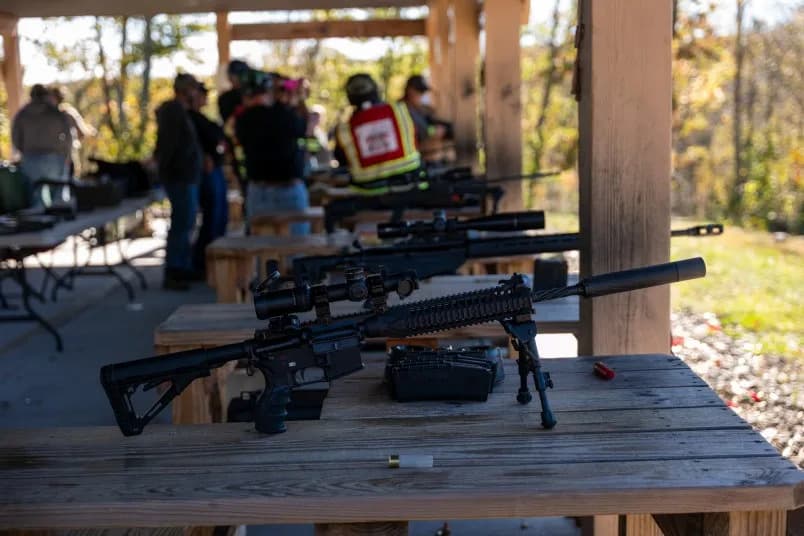
Modern American gun culture has shifted from a focus on hunting, sport shooting and self-defense to a booming industry that packages firearms as luxury leisure, identity, and political theater. In this excerpt from Ricochet: Guns, Greed, and the American Way of Violence, Mike McIntire traces how legal changes, industry marketing, and cultural trends combined to create upscale "guntry clubs," vacation-style ranges and theatrical campaign stunts that normalize and monetize armed spectacle.
From Legal Wins To Lifestyle
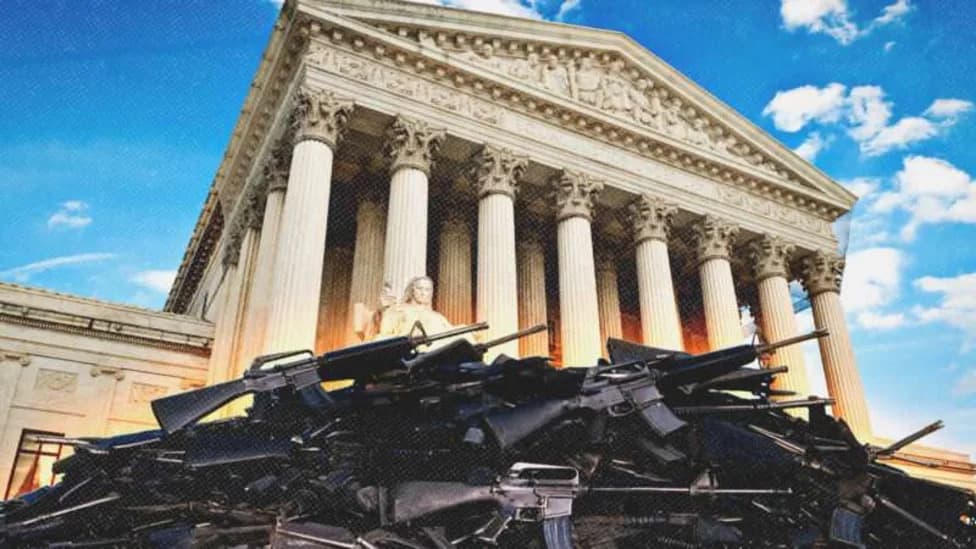
Legal and judicial changes—Congressional liability protections for manufacturers and Supreme Court decisions that narrowed the historic meaning of the Second Amendment—helped detach firearms from older civic and regulatory constraints. Those victories freed politicians, manufacturers and investors to promote gun ownership as both a political identity and a profitable consumer market. The gun lobby also pursued youth outreach, from encouraging rifle shooting in education to funding social research aimed at recruiting the next generation of owners.
Luxury Ranges And The Rise Of The "Guntry Club"
Entrepreneurs have reimagined the old private shooting club as a high-end leisure business. Staccato Vegas, on 550 acres near Pahrump, Nevada, markets experiences such as "Rolling Thunder"—a high-speed tactical course shot from off-road vehicles—and tiered memberships (a $1,000 "Patriot" plan and a $3,000 "Freedom" plan) that bundle discounts, concierge service, food and exclusive lounges. Staccato frames these offerings as expressions of patriotism and requires members to purchase at least one Staccato pistol.
Other venues push spectacle further. Bullets and Burgers in Arizona advertises tank drives, car crushing, machine guns and even flamethrowers; its $2,300 Super Platinum package promised access to multiple machine guns and a tripod-mounted .50-caliber rifle. Range 702 in Las Vegas promotes bachelorette parties that include firing automatic-style weapons, drinks and late-night entertainment. Operators brand the combination of comfort and danger as a new form of leisure—"guntry clubs"—that marries country-club amenities with weapons access.
Who Joins—and Why
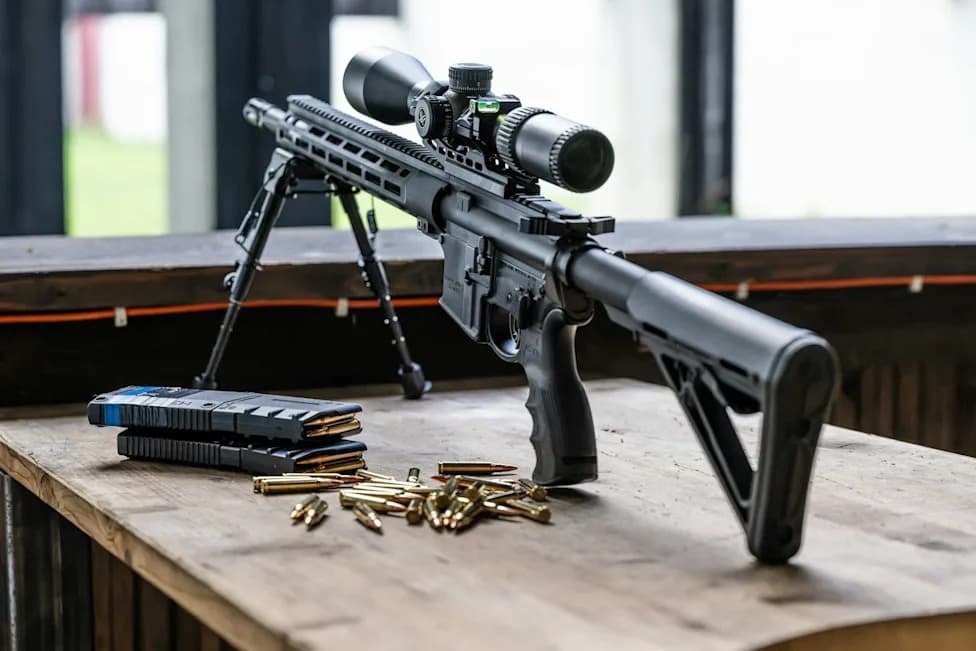
Ownership and participation have shifted toward higher-income, better-educated cohorts. Policy and market forces—like import restrictions after the 1968 Gun Control Act and the rise of the AR-15—helped raise the cost of participating, encouraging marketing to wealthier customers. By 2014, households earning more than $90,000 were nearly twice as likely to own guns as those earning under $50,000, and a 2019 study found that slightly less than half of U.S. guns were owned by households with incomes of $100,000 or more. Educational attainment among gun owners rose from about 29% with some college in 1994 to roughly 40% by 2022.
Front Sight, later partially reborn as Staccato Vegas, exemplifies the market: Ignatius Piazza’s training operation dreamed of a timeshare-and-resort town for gun lovers. Membership tiers reportedly ranged from $500 to $350,000 before Front Sight filed for bankruptcy in 2022; filings revealed thousands of paying members, including doctors, lawyers, tech consultants and high-earning professionals who paid tens or hundreds of thousands of dollars for access and status.
Entertainment, Tragedy, And Normalization
Presenting firearms as family entertainment has had tragic consequences. In 2014, Alex and Alison MacLachlan took their nine-year-old daughter to Bullets and Burgers; she fired an Uzi and the instructor was accidentally killed. A separate Uzi incident in Massachusetts involving an eight-year-old resulted in criminal charges and legal changes. These episodes challenged assumptions about who participates in such venues and underscored the safety stakes when lethal weapons become mass-market entertainment.
Politics As Performance
Firearms also function as political props. Since the 2010s, campaign imagery has increasingly used weapons as theatrical punctuation rather than as a policy focus. Candidates have staged ads and events brandishing machine guns, AR-15s, AK-47s and grenade launchers to signal toughness or antiestablishment credentials. Examples include Pamela Gorman and Jesse Kelly firing automatic-style weapons on camera, Eric Greitens’ machine-gun ads, and more recent spectacles such as giveaways of AR-15s and social-media posts of politicians shooting with their children. Such performative displays move debate away from sober policy discussion and toward a culture of provocation.
Voices Calling For Restraint
Not everyone embraced the shift. Veteran lawmakers like John Dingell warned that the debate had become too polarized, asking whether the nation could restore a reasoned discussion. After the Kennedy assassination, Robert F. Kennedy urged Americans to treat firearms as a responsibility for "serious people" who would exercise "restraint and maturity"—a standard that feels increasingly distant in an era of luxury ranges and performative gun politics.
Bottom Line: Legal changes, market incentives and cultural trends have elevated guns from tools and civic instruments to commodities of status, entertainment and political signaling. That transformation raises questions about safety, equity and the tone of public life.
Copyright © 2026 by Mike McIntire. From Ricochet by Mike McIntire, published by One Signal/Atria Books, an Imprint of Simon & Schuster, Inc. Printed by permission.
Help us improve.