Malcolm Gladwell’s The American Way of Killing argues that America’s gun violence is the product of specific historical choices and policy failures rather than inevitability. He calls most assault‑rifle bans symbolic, highlights handguns as the primary driver of lethality, and links the Second Amendment’s roots to the slaveholding South. Gladwell recommends reallocating resources toward preventive policing and proven community violence‑reduction programs that target those most at risk.
Malcolm Gladwell: Why More Police — Not Assault‑Rifle Bans — Might Reduce U.S. Homicides
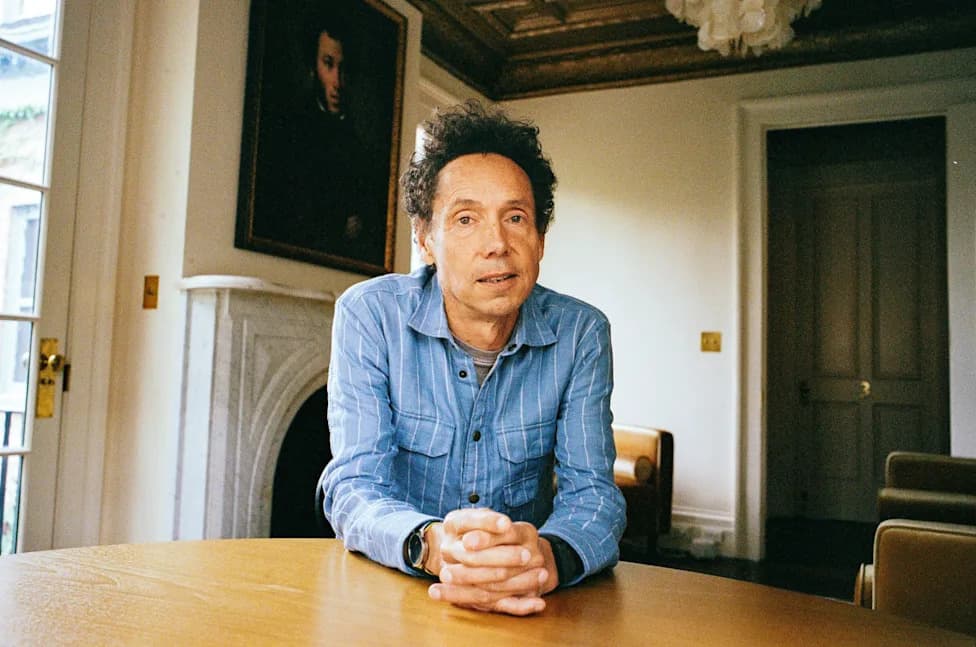
Malcolm Gladwell in Hudson, N.Y., on Sept. 9, 2024. —Peter Fisher—The New York Times/Redux
Malcolm Gladwell, author of The Tipping Point, Blink and Outliers, turns his focus in his latest U.S.-set book, The American Way of Killing (based on his 2023 Revisionist History season), to America’s persistent problem of gun violence. On the eve of a 12-stop book tour, Gladwell told TIME that both sides of the gun debate misstate core facts about policing, the Second Amendment and what actually drives gun homicides.
An Epidemic We Invented
Gladwell uses the book’s subtitle, The Invention of an Epidemic, to argue that high American homicide rates are not inevitable. Instead, he says, they follow from a set of historical choices, policy errors and cultural blind spots. "There is no reason the United States cannot have the same level of homicide as its Western European peers," he says. "We chose a different direction."
Assault‑Rifle Bans: Symbolic, Not Substantive
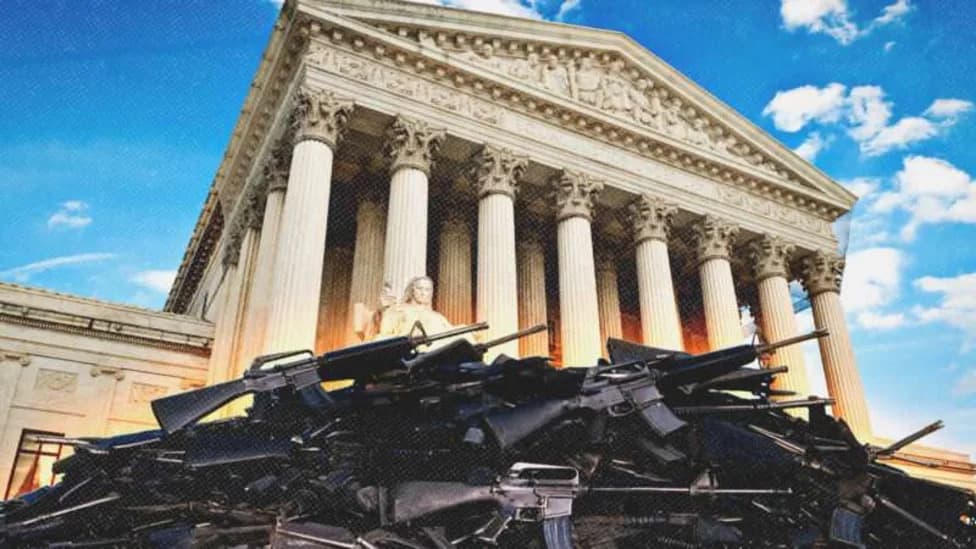
Gladwell is blunt about assault‑rifle bans in the U.S.: as typically written and enforced, they are largely symbolic. Bans that focus on cosmetic features or a class of rifles defined by appearance, he argues, are "pointless" and distract from measures that would actually reduce deaths. He does not reject all forms of gun regulation, but he insists that many proposed bans "do not move the needle."
Handguns and Lethality
Asked whether pistol regulation would be more effective, Gladwell says practical implementation is unclear. Still, he contends that removing handguns would quickly reduce the American homicide rate, pointing out that in places with very few handguns, violent disputes rarely end in shootings — and that stabbing is far less lethal than shooting.
The Second Amendment’s Forgotten Context
Gladwell argues that the militia language in the Second Amendment is rooted in the slaveholding interests of the antebellum South. Southern delegates wanted to preserve armed slave patrols and feared federal constraints. He says that this history has largely been erased from public debate and that selective originalist readings too often support predisposed pro‑gun conclusions.
Medicine, Perception And The Scale Of Violence
Advances in trauma care, Gladwell notes, have masked the scale of lethal violence. He cites an estimate from his book: if medical care remained at 1960 levels, the U.S. might see roughly 75,000 homicides per year instead of the roughly 12,000 reported today. Improved emergency medicine keeps many would‑be fatalities alive and reduces the visible toll.
What Actually Drives Most Gun Homicides
Contrary to the popular view that guns are mostly tools of instrumental crime (robbery, drug enforcement), Gladwell stresses that most firearm homicides arise from interpersonal disputes: young people settling grievances, cycles of revenge, and impulsive retaliation. Policy frameworks that assume rational, instrumental use of guns miss this reality.
More Police—or Better Allocation—Not Less
Perhaps most controversially for some readers, Gladwell calls for more policing. He points out that many Western European countries have more police per capita and that the U.S. spends a comparable share of GDP on public safety but allocates far more to prisons and less to active policing. He cites comparisons — for example, Los Angeles’s ~8,500 officers versus Berlin’s ~18,000 — to highlight differences in deployment and capacity.
“If police can prevent crime, you'd rather spend more on them and prevent crime than spend money after the fact locking people up,” Gladwell says.
He also cites research suggesting an inverse relationship between police numbers and violent policing: under‑resourced officers may rely on force to project authority, whereas better‑resourced forces can be less violent and more preventive.
Community Interventions Work
Gladwell praises proven community violence‑prevention programs that target people at highest risk and mediate conflicts before they escalate. He highlights a Baltimore project reported to reduce homicides from about 330 to roughly 130 in three years. These programs, he argues, require institutional changes: police working with social workers, clergy and outreach workers, and a shift from reactive arrests to conflict prediction, mediation and psychological support.
Politics, Practical Barriers And National Honesty
Why hasn’t the U.S. adopted more effective measures? Gladwell points to political realities: millions of privately owned firearms, highly motivated gun owners, and a Supreme Court that has moved in a pro‑gun direction. He also calls out a national unwillingness to confront uncomfortable truths about history and to pursue politically difficult but effective reforms.
Conclusion
Gladwell’s central message is pragmatic: focus on the behaviors and situations that produce lethal violence, invest in prevention and policing capacity, and be honest about history and trade‑offs. He argues that targeted interventions aimed at the people most likely to use guns irresponsibly would substantially reduce homicide rates even without sweeping, politically intractable bans.
Help us improve.