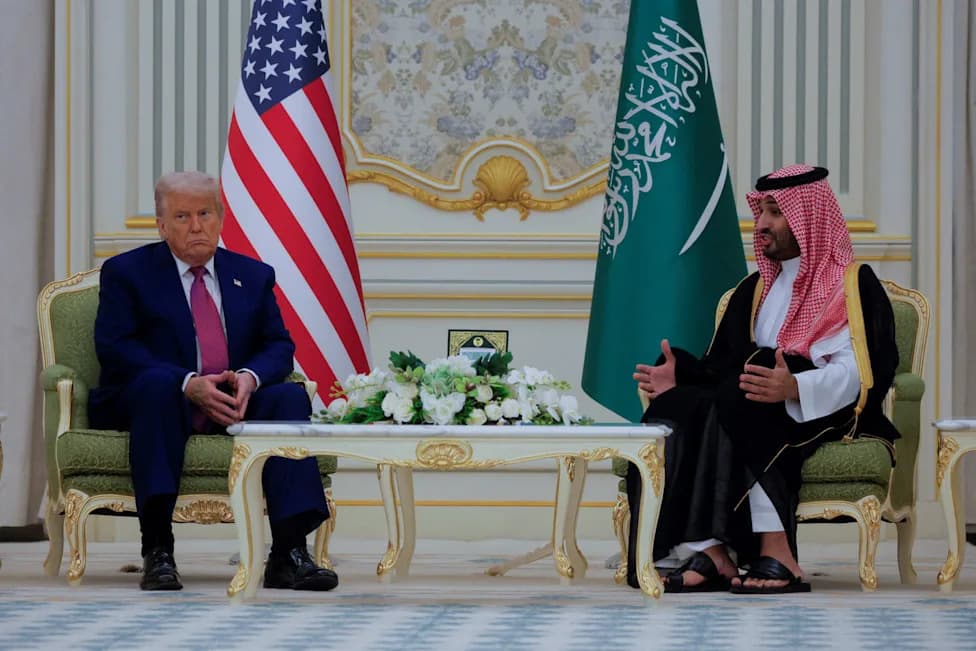
Donald Trump has approved a 30‑year civilian nuclear agreement with Saudi Arabia that could allow uranium enrichment if a US–Saudi study supports building an enrichment facility. The pact, to be submitted to Congress as a 123 agreement, would expand US oversight and could funnel tens of billions to American firms. Officials and experts warn the deal does not include absolute safeguards against weaponisation and could raise regional tensions amid the war with Iran.
Trump Approves 30‑Year Civilian Nuclear Pact With Saudi Arabia — Enrichment Possible, Safeguards Questioned
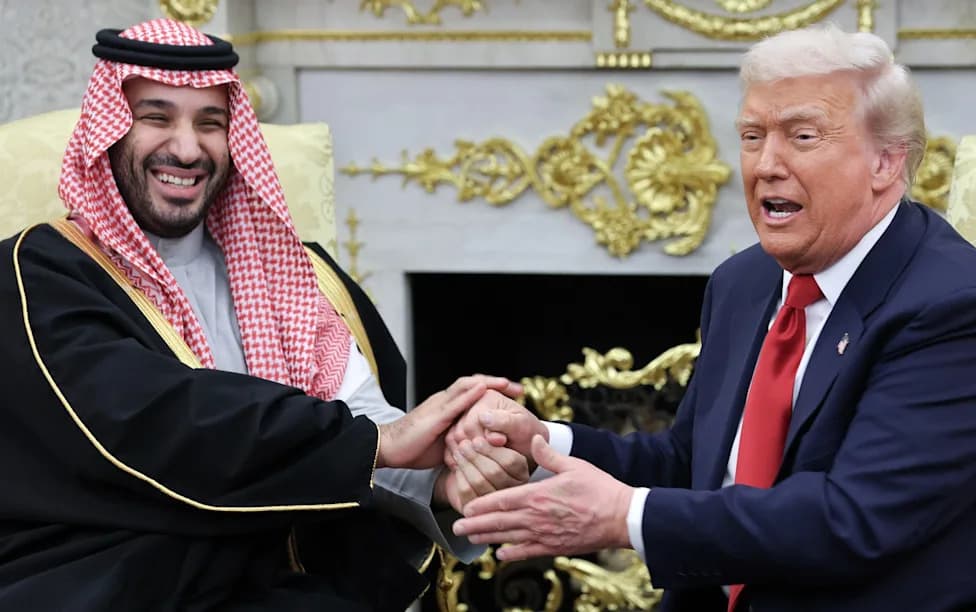
Donald Trump, pictured with Mohammed bin Salman last November, plans to announce the deal on Wednesday - Win McNamee/Getty Images
Donald Trump has approved a landmark 30‑year civilian nuclear agreement with Saudi Arabia that could permit uranium enrichment on Saudi soil if a joint US–Saudi study finds it justified. The administration says the pact would deepen American oversight of the Kingdom's nuclear programme and open the door for US firms to build enrichment facilities, potentially bringing tens of billions of dollars in contracts to US industry.
The agreement is expected to be submitted to Congress as a so‑called Section 123 agreement, the standard non‑proliferation instrument required for civilian nuclear cooperation and for transferring nuclear technology between states. The document was signed by US Energy Secretary Chris Wright following discussions with his Saudi counterpart, Abdulaziz bin Salman, during a visit to Riyadh in April 2025. Saudi officials are also expected to approve the pact.
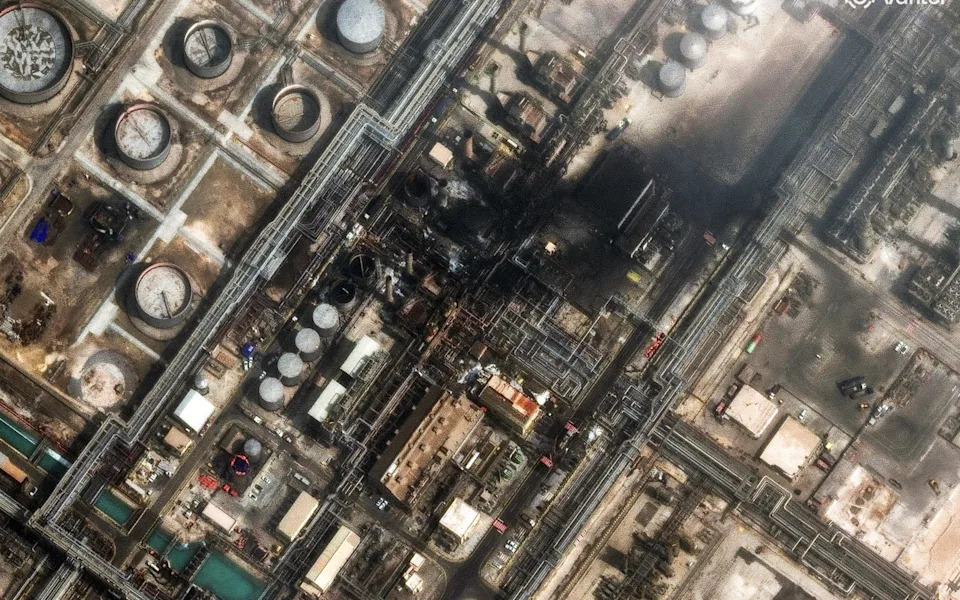
The Islamic Republic has repeatedly struck oil refineries in Saudi Arabia - Handout/AFP
If implemented, the move would make Saudi Arabia the second country in the Middle East to openly enrich uranium, after Iran. Several US officials told Reuters that the technology‑sharing terms do not include absolute legal barriers that would categorically prevent Riyadh from pursuing nuclear weapons capabilities. Non‑proliferation experts warn that operating centrifuges and enrichment infrastructure can lower the technical threshold to a weapons programme.
Critics in Washington and abroad say the deal risks intensifying regional tensions amid the ongoing war with Iran and recent cross‑border attacks. Saudi cooperation with the US against Tehran has, officials acknowledge, increased Riyadh's exposure to Iranian strikes; Iran has repeatedly targeted oil facilities and US military and diplomatic sites inside Saudi Arabia.
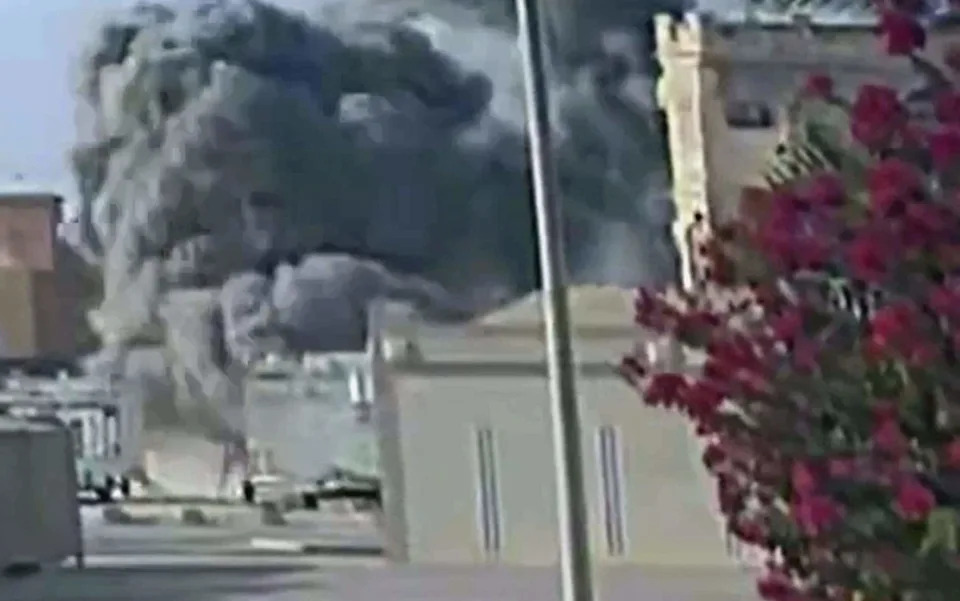
After Israel struck Hamas officials in Qatar, Saudi Arabia signed a mutual defence pact with nuclear-armed Pakistan
Riyadh has reportedly carried out covert strikes on Iranian targets and — with reported US backing — recently struck an airport in Yemen controlled by the Iran‑aligned Houthi movement, opening a new front in the conflict. Those security pressures, along with statements by Saudi Crown Prince Mohammed bin Salman that Riyadh could respond if Iran acquires a bomb, fuel proliferation concerns.
In a related development after an Israeli strike on Hamas officials in Qatar, Saudi Arabia signed a mutual defence pact with nuclear‑armed Pakistan. Pakistan's defence minister said Pakistan's nuclear programme "will be made available" to Saudi Arabia if necessary — a statement widely interpreted as a warning to Israel and a reminder of the complex regional security dynamics at play.
Supporters of the pact argue it strengthens US influence over Saudi nuclear development and encourages civilian use under American standards, while critics counter that the agreement lacks unequivocal legal safeguards against weaponisation and will face intense scrutiny in Congress. Lawmakers and non‑proliferation specialists are expected to debate the terms and potential risks as the Congressional review proceeds.
Help us improve.