GCAP (Tempest) unites the UK, Italy and Japan to deliver a sixth‑generation manned stealth fighter by 2035. Edgewing leads the programme from Reading after the UK awarded a £4.6bn design‑concept contract through December 2027. The jet will prioritise modular systems, AI, advanced sensors and drone‑swarm management, while secure, real‑time international collaboration aims to accelerate development.
Tempest Race: UK‑Italy‑Japan Fast‑Track a Sixth‑Generation Fighter for 2035
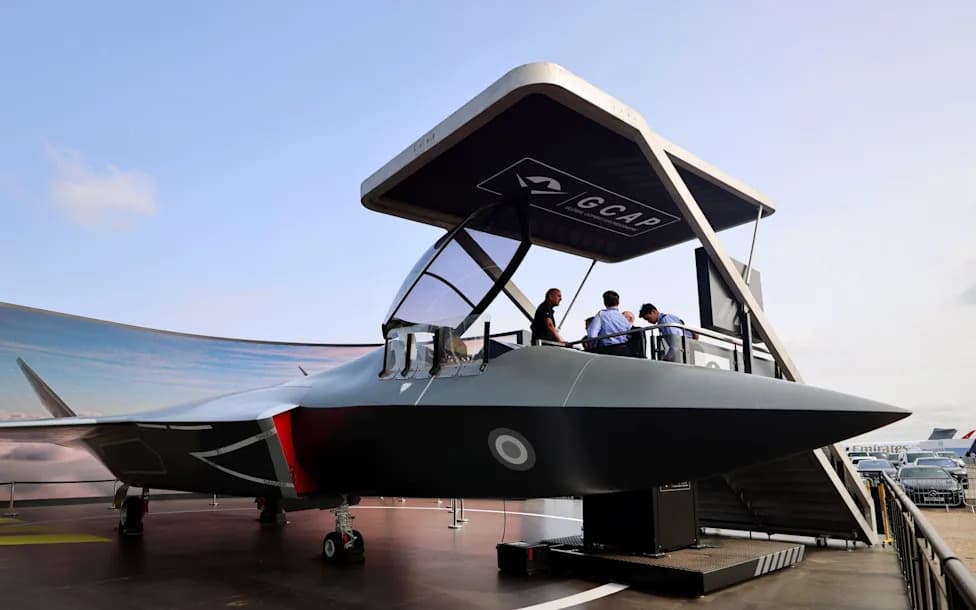
A mock-up of the Tempest fighter jet at the 2026 Farnborough International Airshow - Andy Rain/Shutterstock Editorial
In a modest office block in Reading, engineers from the UK, Italy and Japan are racing to design one of the most secretive defence programmes in recent memory: the Global Combat Air Programme (GCAP), known in Britain as Tempest.

Marco Zoff, the chief executive of EdgeWing, said that 'support for the programme [from governments] was never lacking' - Jamie Lorriman
Overview
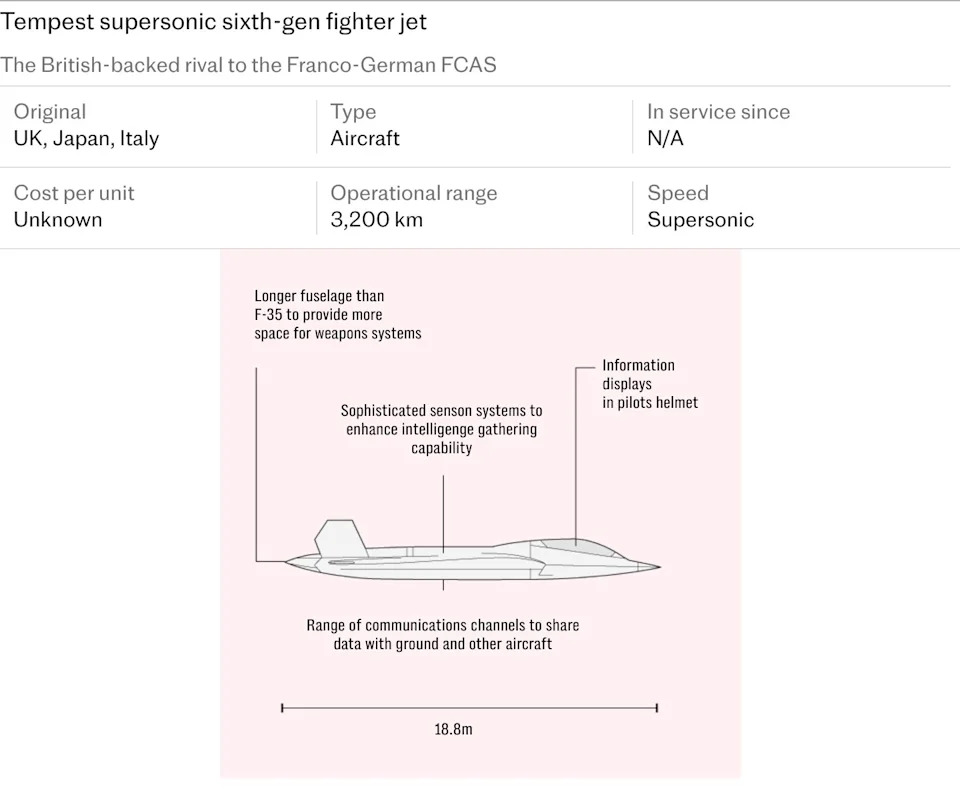
GCAP aims to produce a sixth‑generation manned stealth fighter by 2035 — a long‑range, hard‑to‑detect aircraft designed to collect and share intelligence, penetrate defended airspace, strike hostile targets and coordinate swarms of drones. Edgewing, the joint venture formed by BAE Systems (UK), Leonardo (Italy) and Japan Aircraft Industrial Enhancement Co, leads the effort from Reading.
Leadership, Funding And Timeline
Marco Zoff, Edgewing chief executive, oversees thousands of engineers seconded from Preston, Turin and Nagoya. The UK recently awarded a £4.6bn contract for the design‑concept phase, which must be completed by December 2027. Italy has earmarked €18.6bn (£15.8bn) for GCAP’s development phase; if similarly funded by the UK and Japan, pre‑production costs could approach £50bn.
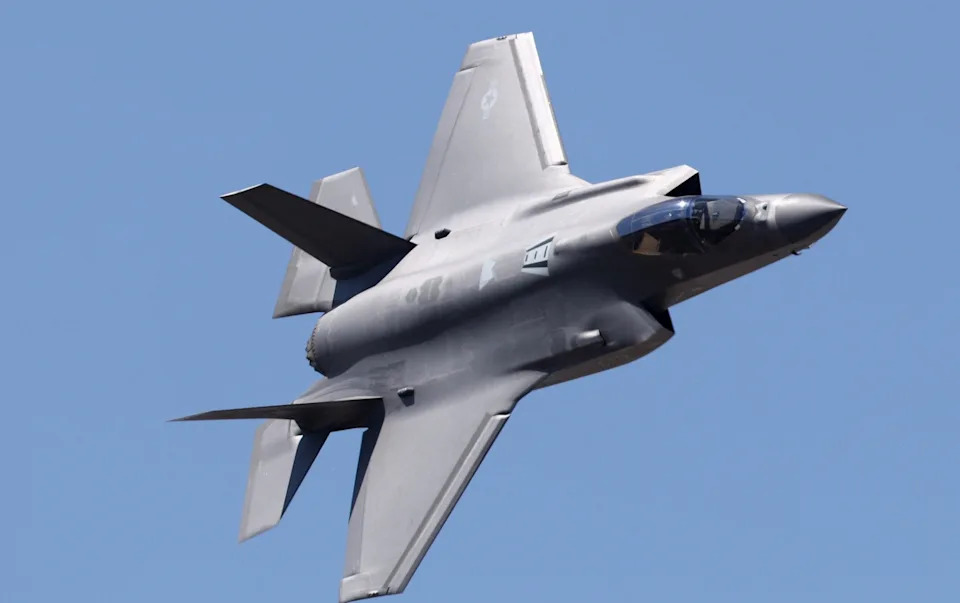
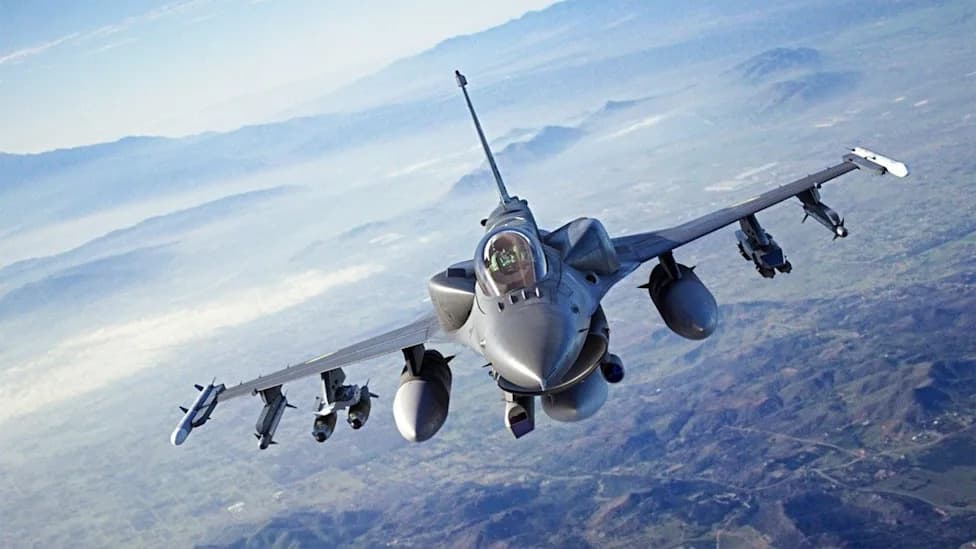
A Lockheed Martin F-35 flying at the opening day of the 2026 Farnborough International Airshow - Toby Shepheard/AFP
“We have a promise, we have expectations, we have ambitions, we have all the possibility to do it. So we need to be obsessed with delivering,” says Zoff, reflecting the programme’s urgency amid rising tensions in Europe and the Pacific.
Design Philosophy And Technology
Edgewing stresses a modular architecture for the Tempest aircraft so systems can be upgraded without wholesale redesigns. Key technology areas include advanced stealth features, cutting‑edge sensors, high‑performance computing, artificial intelligence, novel materials and resilient power systems. Project leaders highlight the potential civilian spin‑offs from such research.
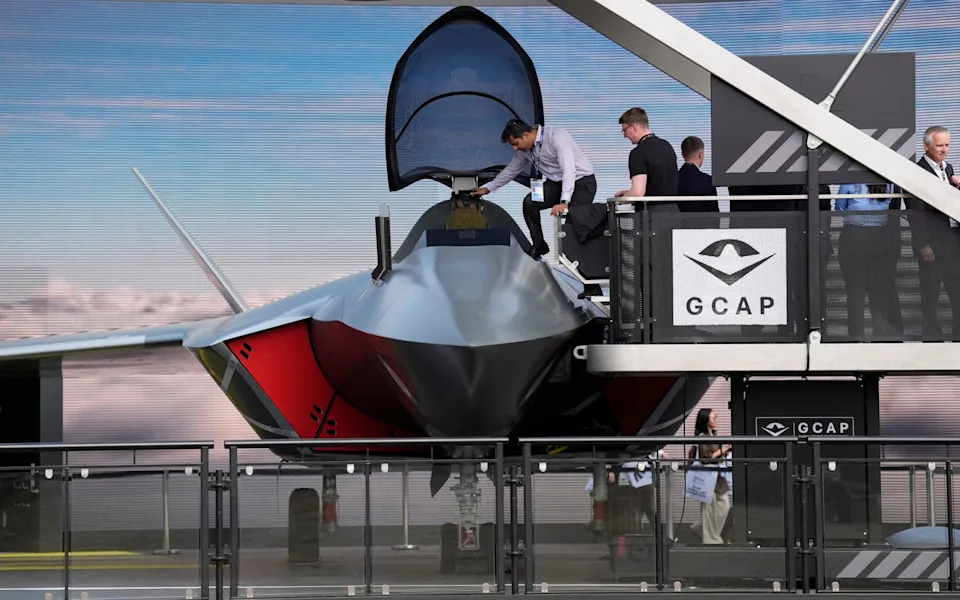
A mock up of the GCAP development sixth-generation stealth fighter. The design concept phase should be complete by December 2027 - Andrew Matthews/PA
Operational And Industrial Challenges
Delivering an operational sixth‑generation fighter by 2035 is exceptionally fast by defence standards. The GCAP alliance was announced in 2022 and Edgewing formed only recently, so the schedule is tight. To accelerate delivery, the three partner governments have authorised a fast‑track approach to subcontract awards and encouraged real‑time, secure collaboration across borders.
Edgewing has implemented secure systems to allow cross‑border teams to work on designs simultaneously. Thousands of staff have relocated, and the Reading hub blends different cultures and working practices — complete with vending machines stocked with national snacks and strong coffee.
Risks And Safeguards
Cost growth is a material risk; analysts note programmes such as the US F‑35 have seen significant budget escalation. Edgewing argues modularity and an agile engineering prime will contain costs, but the company acknowledges the undertaking will be costly and complex. Protecting sensitive technologies from espionage is a top priority: project leaders say they are taking robust measures to safeguard data and intellectual property.
Why It Matters
If successful, Tempest will provide the UK, Italy and Japan with a next‑generation combat platform tailored to 21st‑century threats and could catalyse wider technological advances with civilian applications. But meeting the 2035 target will require tight programme discipline, steady political support and sustained funding across three nations.
Help us improve.