The world still relies on hydrocarbons for most electricity: Ember data analyzed by the Pew Research Center show coal, gas and oil supplied about 57% of global electricity last year, down from roughly 65% in 2000. Wind and solar have surged—together producing about 17% of electricity versus under 5% a decade ago—and when combined with hydropower and other renewables they now outpace hydrocarbons in generation share. Nuclear output has fallen to about 9%, and rising electricity demand is outpacing new capacity additions, keeping dispatchable fossil fuels important for reliability.
Despite Renewables’ Rise, Fossil Fuels Still Provide 57% Of Global Electricity

Fossil Fuels Still Generate 57% of the World's Electricity
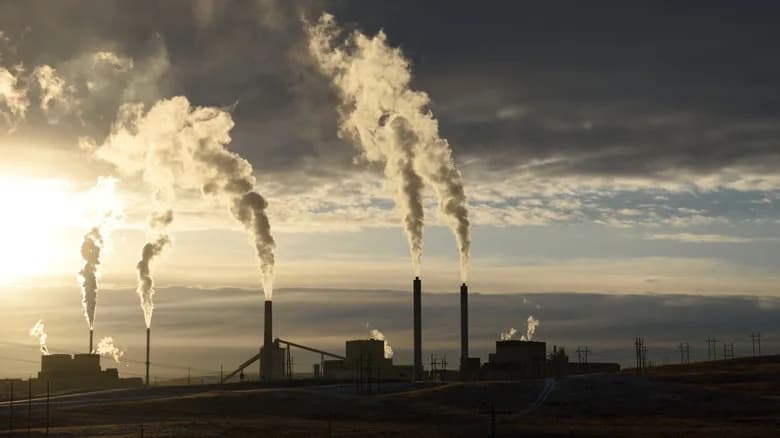
Recent analyses confirm that, although renewables are growing rapidly, coal, natural gas and oil continue to supply the majority of the world’s electricity. Data compiled by Ember and analyzed by the Pew Research Center (and cited by the Energy Institute) show hydrocarbons supplied about 57% of global electricity last year.
Key Findings
- Hydrocarbons: Accounted for roughly 57% of global electricity generation last year, down from about 65% in 2000.
- Primary Energy: Coal, gas and oil still represent about 86% of global primary energy consumption, a figure that has changed little over two decades.
- Wind and Solar: Together they produced about 17% of global electricity last year, up from under 5% a decade earlier.
- Renewables Overall: When wind and solar are combined with hydropower, geothermal and other low‑carbon sources, renewables now account for a larger share of electricity generation than hydrocarbons—largely thanks to long‑standing hydropower capacity.
- Nuclear Decline: Nuclear generation fell to about 9% of global electricity, down from roughly 17% in 2000.
Why Fossil Fuels Remain Crucial
The Energy Institute and its partners point to a structural mismatch: global electricity demand is growing faster than new generation capacity. That shortfall increases the absolute use of fossil fuels even as their percentage share declines. Fossil‑fuel plants can be dispatched on demand to meet immediate needs, a capability that many low‑carbon sources cannot yet provide at the same scale without large investments in storage, grids, and flexibility.
Regional Contrasts
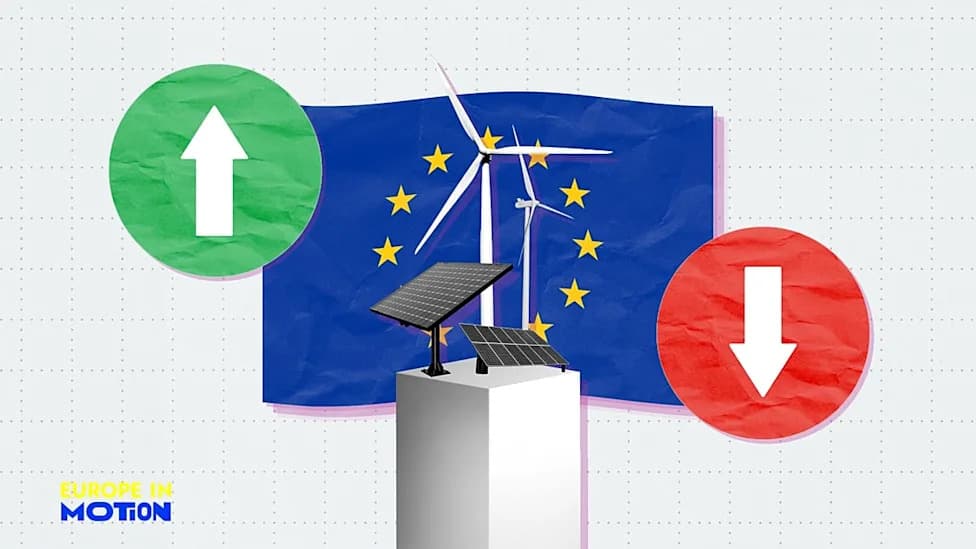
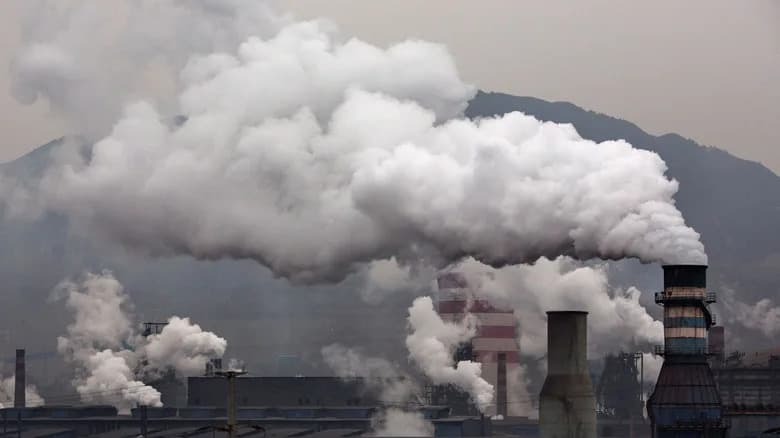
China exemplifies the complex transition: it is the world’s largest market for wind and solar capacity, but it also remains the largest consumer of coal and continues to build new coal plants. By contrast, the European Union now generates more electricity from non‑hydrocarbon sources than from hydrocarbons—Ember’s data show non‑hydrocarbon generation at about 48% of the EU total last year, while gas and coal combined supplied roughly 29%.
Implications
The data underline that rapid growth in renewables is reshaping electricity systems, but meeting rising demand and ensuring reliability will require continued investment across technologies: faster clean‑energy deployment, greater grid flexibility, energy storage, and—where politically and economically acceptable—nuclear power or other firm low‑carbon sources to replace dispatchable fossil generation.
Bottom line: Renewables are expanding fast, especially wind and solar, but fossil fuels remain central to meeting today’s electricity needs because they can be supplied on demand while global demand outpaces new low‑carbon capacity additions.
Help us improve.