Police recovered over £18m of counterfeit football shirts and kits during World Cup-related enforcement, seizing more than 220,000 items under Operation Bloxwich. Comparative tests by Cheshire Fire and Rescue Service showed fake kits ignited and melted far more easily than authentic strips. Officials warned the garments are unregulated, may contain harmful dyes, and are produced and sold by criminal networks, with imitation shirts sold for as little as £12 versus official kits from about £85.
Police Seize Over £18m of Fake World Cup Kits After Burn Tests Reveal Fire Risk
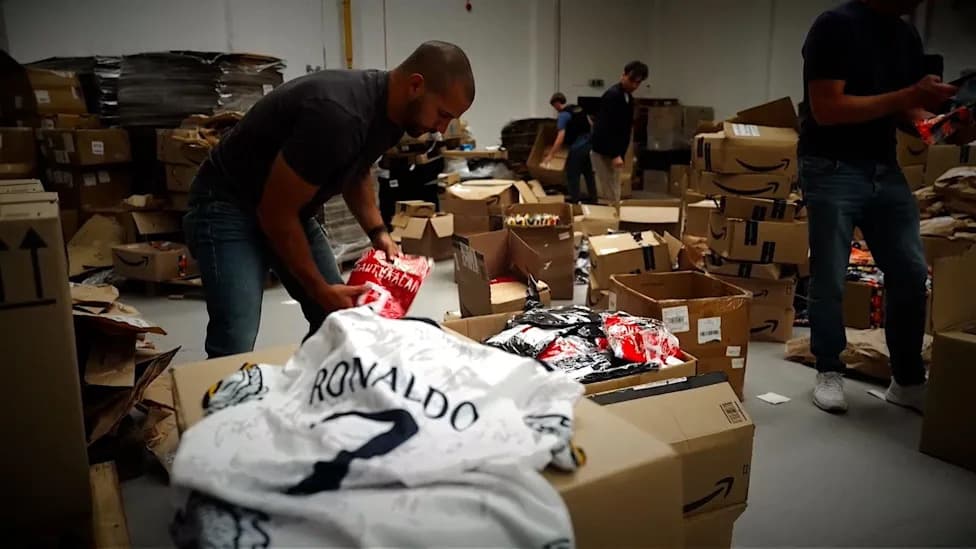
Some 220,000 fake strips were seized across the UK in the lead-up to the World Cup [BBC Sport]
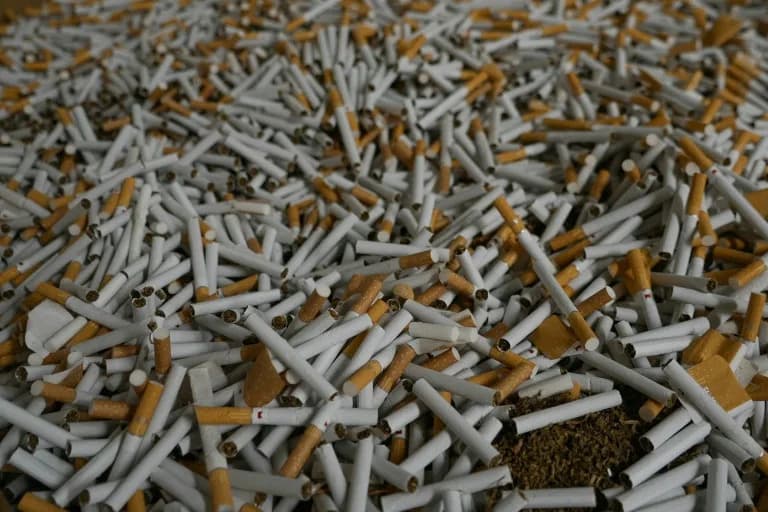
More than £18 million worth of counterfeit football shirts and kits were seized across the United Kingdom during World Cup-related enforcement operations, officials say. The Police Intellectual Property Office recovered in excess of 220,000 items as part of Operation Bloxwich, an effort targeting the manufacture and distribution of fake sports merchandise.
Major Raids and Notable Haul
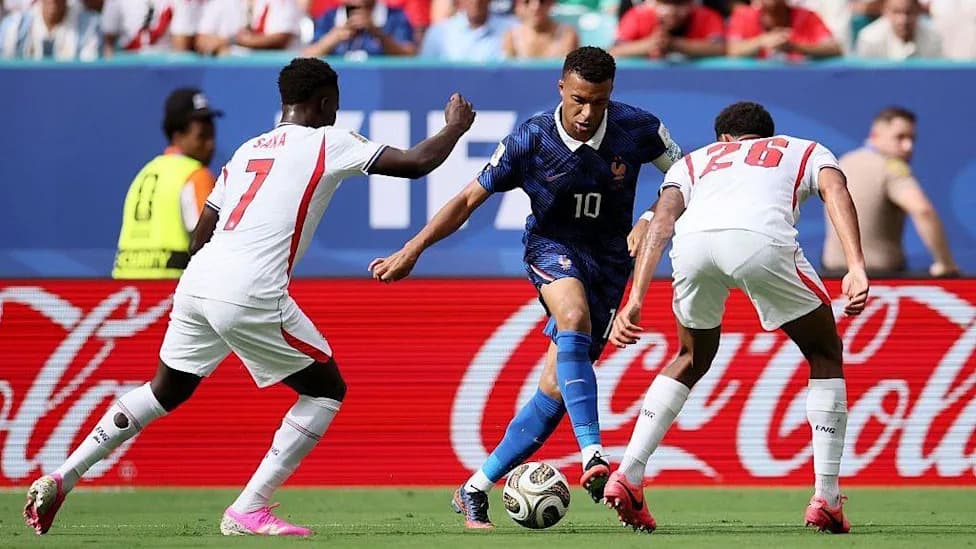
One significant raid on a warehouse in Birmingham produced 1,618 counterfeit strips, including unauthorised replicas of high-profile players such as France's Kylian Mbappé and Norway's Erling Haaland. Officers emphasised that the crimes are driven by organised criminal networks exploiting major sporting events to flood the market with cheap imitations.
Fire Tests Highlight Safety Concerns
Cheshire Fire and Rescue Service ran comparative flammability tests on the fake kits and genuine merchandise. Watch Manager Dave Jackson reported that the counterfeit shirts ignited and melted almost immediately when exposed to a burner, whereas the authentic strips resisted ignition and required considerable effort to burn.
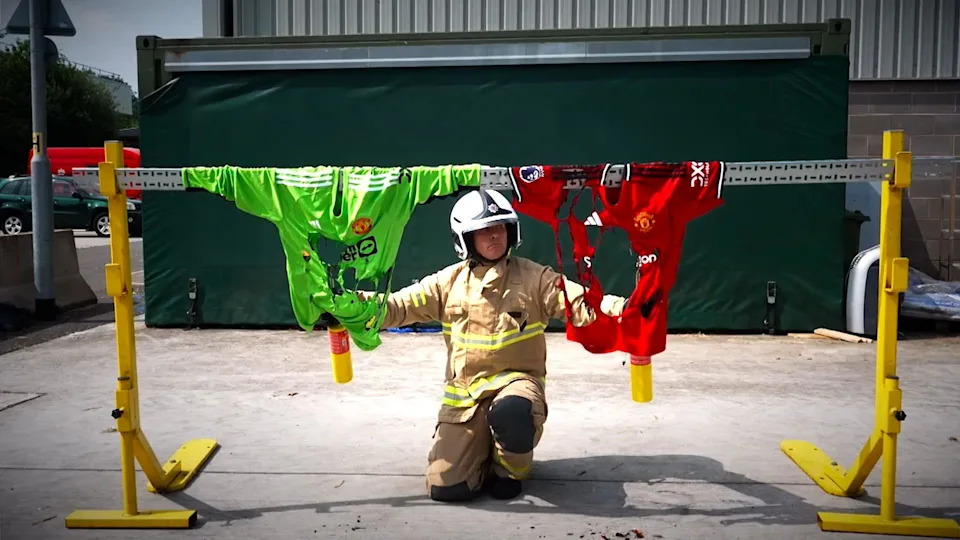
Cheshire Fire and Rescue Service watch manager Dave Jackson sets two shirts alight. On the left, the green strip is an official item, and the red one on the right is fake. [BBC Sport]
"The counterfeit one melted as soon as the burner went on it. I really had to try to make the genuine one ignite and melt," said Dave Jackson.
Health, Safety and Criminal Risks
Detective Sergeant Jamie Kirk, who took part in the operation, acknowledged the appeal of cheaper replicas but warned they are unregulated and can pose serious hazards. He said counterfeit garments often contain dyes and materials that could be harmful to skin, especially children's.
Kate Caffrey, head of intelligence at the Intellectual Property Office, added that counterfeit strips are not subject to British or EU health and safety standards and are frequently produced in poor conditions by criminal gangs. She warned consumers that buying fakes can indirectly fund organised crime and that there is no way to verify the safety or origin of the materials used.
Price Gap Fuels Demand
One driver of the counterfeit trade is cost: imitation shirts are advertised online for as little as £12, while official Premier League strips typically start around £85. Officials urged fans to weigh the short-term savings against potential safety risks and the wider criminal harms associated with counterfeiting.
Key facts: More than £18m seized; 220,000+ items recovered; 1,618 strips removed from one Birmingham warehouse; counterfeit kits found to be far more flammable than genuine merchandise.
Help us improve.