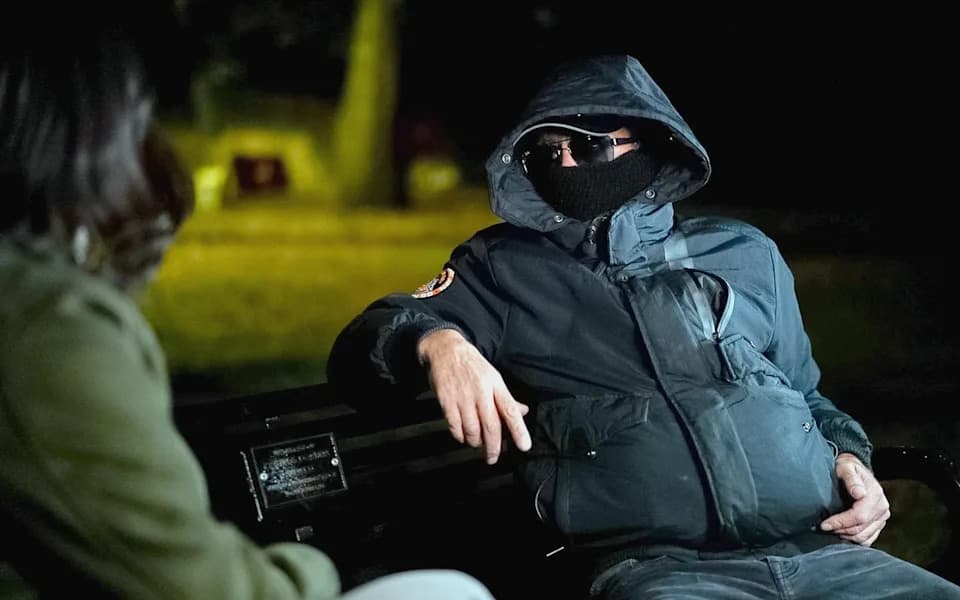
The South London park is near-empty by the time the man who calls himself "Pete" arrives, just before 10pm. He sits opposite a reporter with a balaclava pulled over his nose and dark glasses that reflect notifications from potential customers — people seeking counterfeit cash advertised online.
Undercover Findings
In a rare interview for an investigation into a surge of counterfeit banknotes arriving in Britain, "Pete" says he has profited heavily from selling fake sterling promoted on social media and encrypted messaging apps. He claims annual earnings of around £100,000 and says agents advertise his notes on platforms such as TikTok and Instagram, directing buyers to encrypted services and asking for cryptocurrency payments.
He told reporters he runs a Telegram group with more than 16,000 members and operates mainly in the South East, sourcing notes through contacts in the traveller community who allegedly have ties to a small counterfeit-production site. He said typical earnings are £4,000–£5,000 a week, and that he ships notes by post.
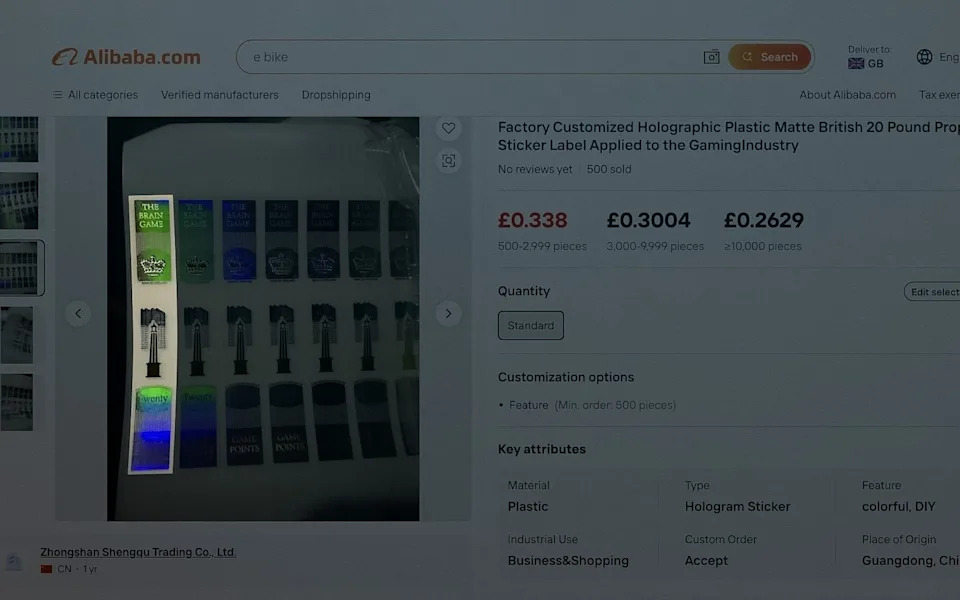
Holographic stickers for 'prop cash' are being sold in bulk on online marketplaces such as Alibaba - Alibaba.com
How The Market Works
Investigators found sellers offering a range of products: traditional counterfeits, so-called "prop money" replicas, and holographic foil strips marketed to disguise prop-style warnings. One China-based seller on Alibaba was advertising 500 holographic strips for about £148. Bank of England guidance states that prop notes must be clearly distinguishable from genuine tender (for example, one-sided or a noticeably different size), and it is a criminal offence to possess, supply or apply foil stickers that obscure a replica's disclaimers.
Official Response And Wider Seizures
Authorities report a shift in the market: more counterfeits now appear to be manufactured overseas. Neil Harris, head of the National Counterfeit Currency Unit at the National Crime Agency, said his team has seen an increase in counterfeit notes — with the £20 the most commonly encountered denomination — and that his international unit works with partners in China to tackle production and export of counterfeit notes and simulated holograms.
European enforcement efforts underline the scale of the problem. Operation Decoy III, involving 18 countries, linked more than 90% of seized counterfeit currency to shipments from China, intercepting an estimated €1.2bn in fake notes and coins between June and November of the previous year. Since then, UK authorities have made further seizures of counterfeit sterling, unfinished notes and foil strips at freight-handling airports, many consignments traced back to China or routed via Hong Kong.
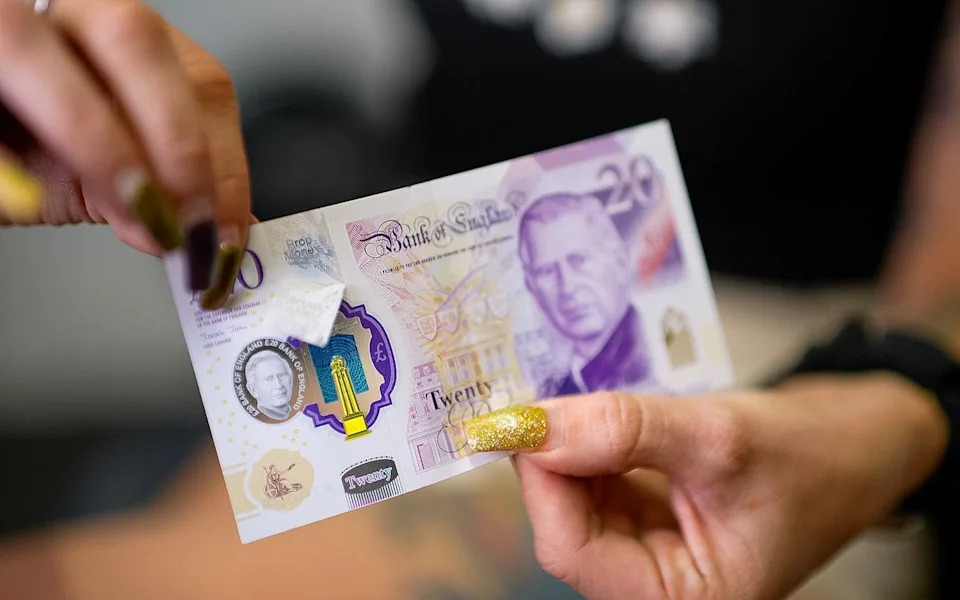
£20 notes, such as this prop, are the most commonly counterfeited
Economic And Personal Impact
Counterfeit currency produced at large scale can distort money supply and risk upward pressure on inflation. For businesses, the impacts are immediate: Gemma Bell, owner of The Candy Garage, lost income after staff accepted two fake £20 notes at a busy event; when she peeled back a foil sticker a "prop money" disclaimer appeared underneath.
Scams Targeting Buyers
Investigators also found that buyers are often targeted by fraudsters. Some sellers demand upfront payment and vanish; others run elaborate "wash-wash" scams in which sleight of hand and chemical tricks create the illusion that notes can be duplicated, convincing victims to hand over genuine cash. In one undercover meeting, a man offering to "develop" counterfeit notes tried to persuade a reporter to withdraw £40,000.
Platform Policies And Industry Reaction
After the investigation, Telegram said selling counterfeit money is explicitly forbidden and that moderators, including AI tools, remove such content. TikTok said the accounts flagged were banned for breaching guidelines and reiterated its rules against scams and criminal activity. Meta (Instagram and WhatsApp) said it removed the offending material, and Alibaba said listings replicating banknote security features breach its policies. Royal Mail noted it cannot legally open mail but routinely reports suspicious consignments to law enforcement and assists investigations.
Bank Of England Data: Detections of counterfeit notes rose to about 200,000 in 2025, up from about 99,000 in 2024, though the Bank stresses counterfeits remain a small fraction of notes in circulation.
Authorities urge vigilance from businesses and consumers: check banknotes carefully, report suspicious transactions and be wary of offers to buy or "develop" currency online.