The Worcester County Commission voted 7-0 to oppose a proposed 54-acre solar farm near Pocomoke City, with Commissioner Caryn Abbott citing the project's size and local impacts. The rejection came before the developer made a formal presentation. Maryland law restricts a county’s ability to completely bar projects of this scale without broader statutory steps. Supporters emphasize pollution reduction, grid reliability, and jobs, while officials focus on land-use and landscape concerns; siting adjustments, mixed-use designs, and early public engagement are being explored as compromises.
Worcester County Votes 7-0 Against 54-Acre Solar Farm; State Rules May Limit Local Block
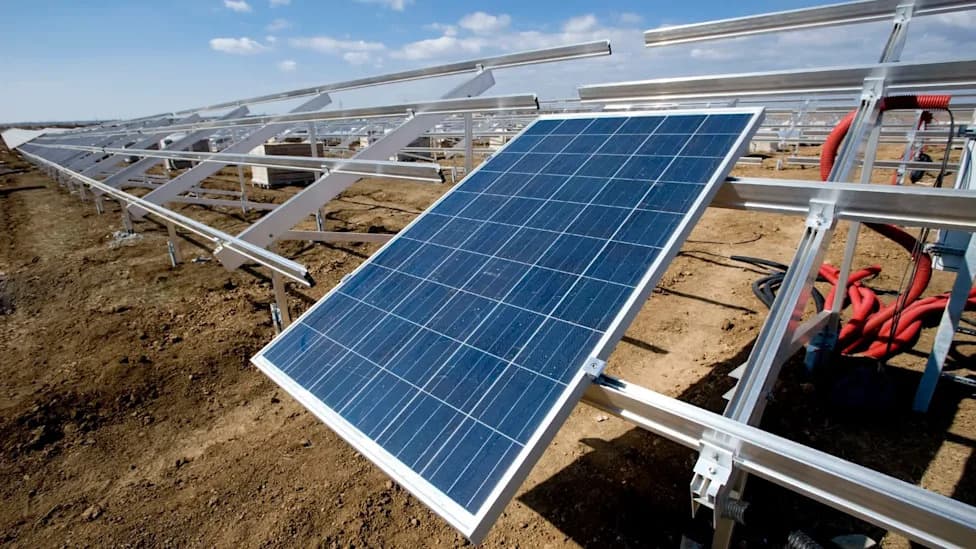
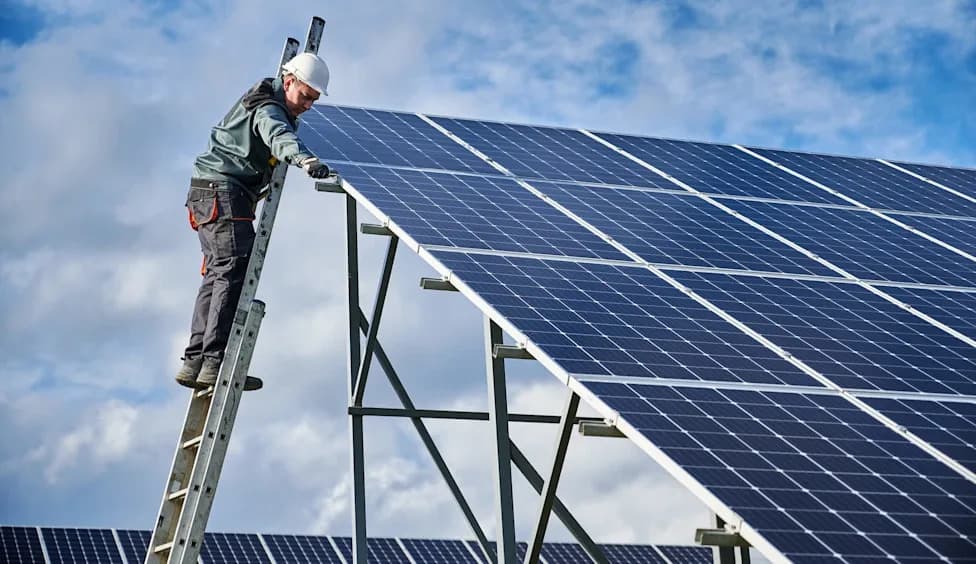
Photo Credit: iStock
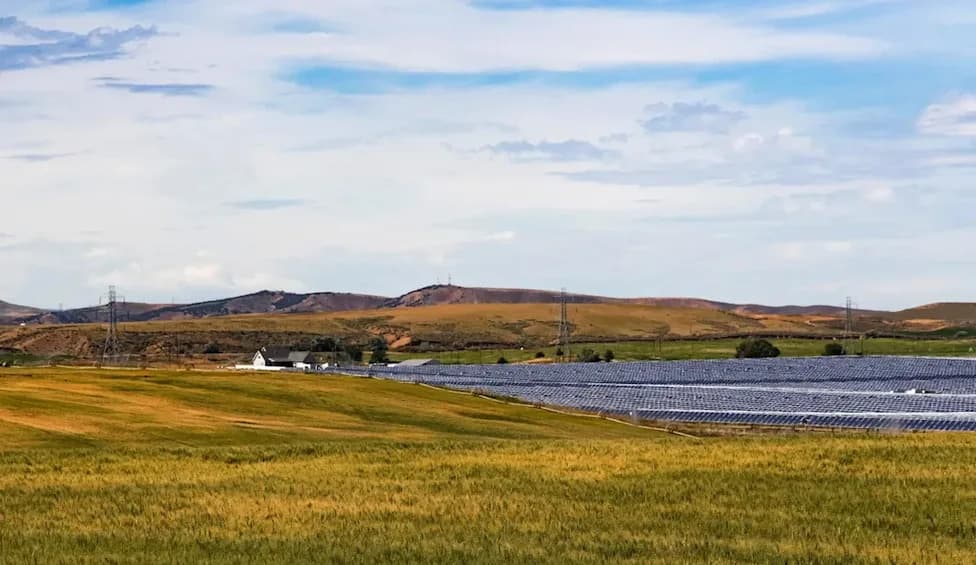
Worcester County commissioners voted unanimously to oppose a proposed 54-acre utility-scale solar project planned just outside Pocomoke City, casting a 7-0 vote against granting local endorsement.
The motion to withhold support was introduced by Commissioner Caryn Abbott, who represents the district where the array would be sited. The commission registered its opposition before the developer had an opportunity to make a formal presentation to the board.
Why Officials Opposed
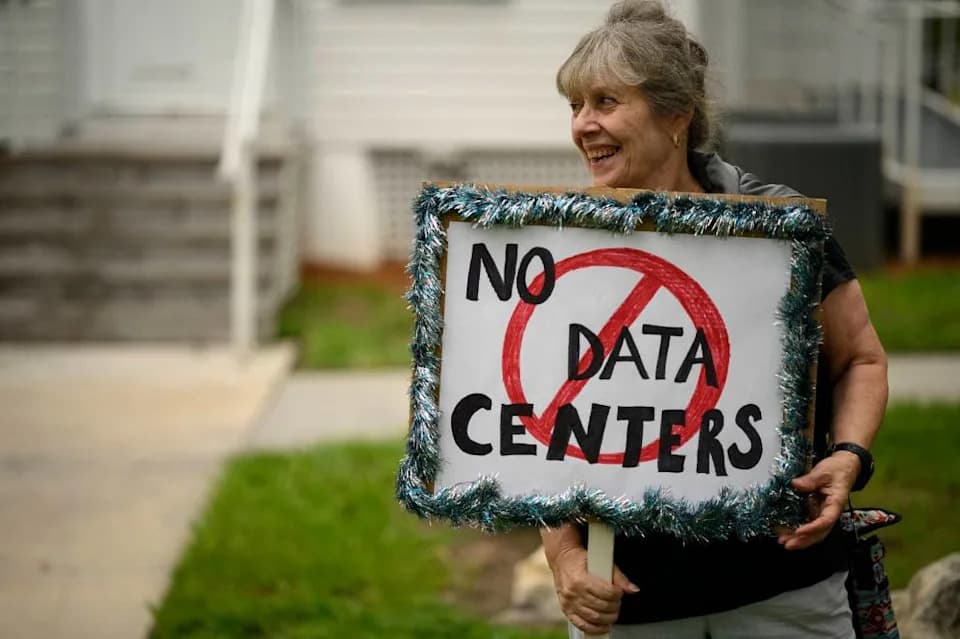
Commissioners and some residents cited the site's size and potential impacts on rural character, agricultural uses, and scenic views as primary reasons for opposing the project. In a small, rural district, a 54-acre installation can feel substantial and raise concerns about land use and long-term development patterns.
Benefits Cited by Supporters
Supporters of utility-scale solar note that these projects can reduce pollution from fossil fuels, strengthen grid reliability during peak demand, and create construction and maintenance jobs. Proponents say expanding clean energy capacity can make it easier to retire older, polluting power plants that contribute to smog, heat stress, and public-health burdens.
Balancing Local Concerns and State Law
Maryland law limits a county’s ability to categorically block certain projects of this size without pursuing a broader statutory process, so the commission’s vote may not be dispositive. That legal framework reflects a statewide interest in meeting growing electricity demand while balancing local control over land use.
Mitigation and Engagement Strategies
To ease tensions, developers and planners are increasingly pursuing siting strategies and design changes — including steering arrays to less sensitive locations, widening panel spacing, elevating panels to allow agricultural uses beneath them (for example, sheep grazing), and enhancing habitat protections. Early, transparent public engagement and negotiated community benefits can also help address local priorities.
What Residents Can Do
Residents who want to influence the outcome should monitor project filings, attend public hearings, review environmental and site plans, and ask developers and regulators about proposed mitigation, community benefits, and alternative sites. Early participation can shape project details or prompt consideration of different locations that reduce local impacts while supporting clean-energy goals.
Bottom line: The commission’s unanimous opposition highlights local land-use concerns, but state rules and ongoing planning processes mean the project’s future will depend on further review, negotiation, and possible appeals.
Help us improve.