The EU cultural sector employed 8.9 million people in 2025 (4.3% of total employment), up 0.5 percentage points from 2024. Nearly half of cultural workers are aged 30–49 and most hold at least a bachelor’s degree. Last month EU institutions signed the first joint culture declaration, "Europe for Culture — Culture for Europe," which outlines 12 principles — from artistic freedom to better pay — but is not legally binding.
EU Cultural Jobs Climb to 8.9M as Institutions Adopt First Joint Culture Declaration
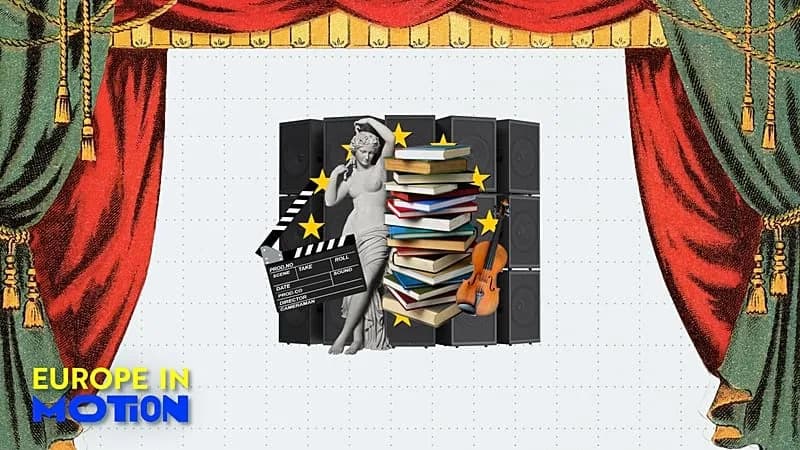
Cultural jobs on the rise as EU signs first-ever culture declaration
Although cultural occupations make up a relatively small share of the European Union's labour market, they support the livelihoods of millions across the bloc. Eurostat's latest figures show that in 2025 the EU's cultural sector employed 8.9 million people — equal to 4.3% of total employment in the Union.
Employment in cultural activities rose by 0.5 percentage points between 2024 and 2025, covering roles such as artists, musicians, actors, curators and other creative and cultural professionals. Nearly half of cultural workers are aged 30–49, and the majority hold at least a bachelor’s degree. After degree holders, 31.3% completed secondary education and 6.7% had up to lower secondary education.
Geographic Snapshot
In 17 of the EU's 27 member states, cultural employment accounted for between 4% and 5% of total national employment. The highest shares were recorded in the Netherlands (5.7%), Estonia (5.3%) and Malta (5.1%). By contrast, the lowest shares were in Romania (1.8%), Slovakia (3.3%) and Ireland (3.4%).
First-Ever Joint Culture Declaration
Last month the Council of the European Union, the European Parliament and the European Commission jointly signed their first-ever declaration on culture, titled "Europe for Culture — Culture for Europe". The declaration sets out 12 guiding principles for EU-level cultural policy and seeks to recognise culture's role in addressing key contemporary challenges.
"The sector faces a combination of complex challenges that speak to all political groups and Member States, even if their impact is differentiated across the Union," said Mafalda Dâmaso, a researcher at the European University Institute who specialises in EU cultural and media policy and diplomacy.
Dâmaso highlighted multiple pressures on the sector: advances in artificial intelligence that affect the cultural and creative value chain and livelihoods of cultural workers; the growing market dominance of large digital platforms that can threaten cultural diversity; sustainability and climate-related concerns; and the use of cultural channels to spread anti-democratic disinformation.
What the Declaration Calls For
Among its 12 principles the declaration emphasises artistic freedom (including protection from censorship), fair pay and improved social protections for cultural workers, and support for cultural diversity and resilience in the face of digital and environmental change.
However, the declaration is not legally binding. It does not compel member states to increase public spending on culture, so implementation will depend on national and EU-level follow-up measures and political will. Observers say the declaration provides a political framework and visibility for the sector, but concrete outcomes will require targeted policies and funding decisions from governments and institutions.
Help us improve.