Qi601, a supplement made from heat‑killed bacteria (a postbiotic), bound microplastic fragments in laboratory gut models and in a small human test where participants chewed gum. The product's textured surface appears to trap tiny plastic particles so they may pass through the digestive tract rather than being absorbed. Microplastics under 5 mm have been detected in blood and brain tissue, and some studies report links to cardiovascular and neurological risks. Larger clinical trials are needed to confirm whether Qi601 reduces microplastic exposure or related health risks.
Heat‑Killed 'Postbiotic' Qi601 Shows Early Promise for Trapping Microplastics in the Gut

Gut supplement may help remove microplastics from body
A novel supplement made from heat‑killed bacteria, marketed as Qi601, may help capture tiny plastic particles in the mouth and digestive tract before they can be absorbed into body tissues, early research suggests. Investigators describe the product as a postbiotic — an inactivated bacterial preparation whose textured surface appears to attract and bind microplastic fragments.
What Researchers Did
Scientists first tested Qi601 in laboratory models that mimic the human gut lining. They then carried out a small human study in which participants chewed gum, a known source of microplastic fragments. In the human test, samples showed that the supplement bound plastic particles in the mouth, potentially preventing those fragments from remaining available for absorption further down the digestive tract.
What Microplastics Are — And Why They Matter
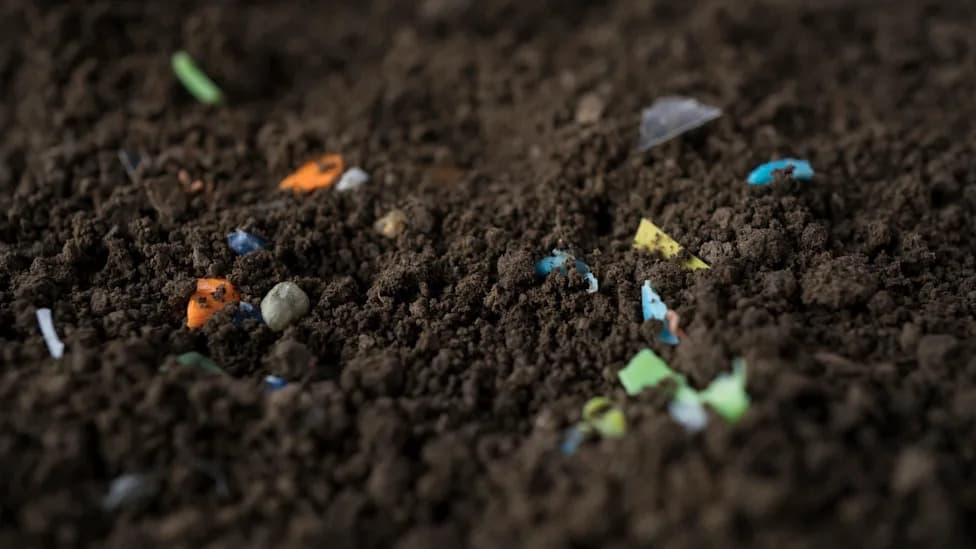
Microplastics are defined as plastic particles smaller than 5 millimeters. They have been detected in many parts of the body, including blood and brain tissue. Some studies have reported associations between microplastics found in arterial plaque and higher risks of heart attack and stroke, and other preliminary research has noted elevated microplastic levels in the brains of people with Alzheimer’s disease. These findings are concerning but do not yet establish cause and effect.
Important Caveats
Results so far are preliminary. The laboratory and small human experiments show that Qi601 can bind microplastic fragments under specific conditions, but larger, longer-term clinical trials are needed to determine whether the supplement meaningfully reduces microplastic burden in the body or lowers health risks. The supplement is not established as a treatment or prevention for microplastic exposure, and regulatory approval or clinical guidelines are not yet in place.
Bottom line: Early data indicate Qi601 may trap microplastics in the mouth and gut, but more rigorous studies are required before its safety and effectiveness can be confirmed.
Practical note: Reducing unnecessary plastic exposure (for example, avoiding heating food in plastic containers and minimizing single‑use plastics) remains a prudent approach while research continues.
Help us improve.