A U.N. meeting in Geneva has opened formal negotiations on a proposed treaty to strengthen the rights and protections of older people as the global population ages. Argentina chaired the talks; Brazil, Slovenia, the Philippines and Gambia are the main co-sponsors. Advocates cite hidden abuses in some care settings and argue that no dedicated global treaty currently addresses age-based discrimination. Negotiators will reconvene in October, but agreement could take years.
UN Begins Treaty Talks To Fight Ageism And Protect Older People As Global Population Ages
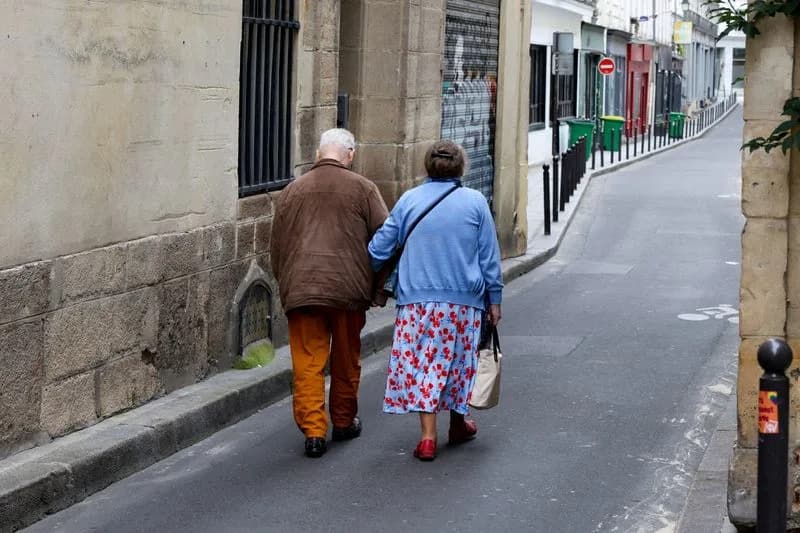
FILE PHOTO: Two older people walk arm-in-arm down a side street in Paris, France, July 14, 2024. REUTERS/Kevin Coombs/File Photo
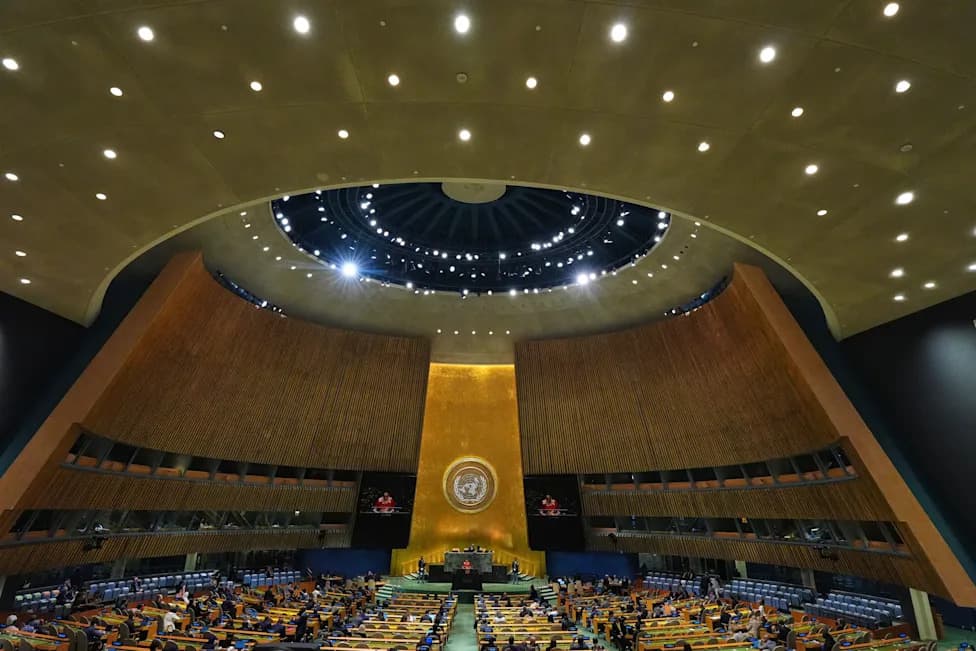
GENEVA — Delegates at the United Nations in Geneva this week opened formal negotiations on a proposed treaty designed to strengthen the rights and protections of older people worldwide, amid renewed calls to end age-based discrimination and to expose what campaigners describe as hidden abuses.
Details Of The Talks
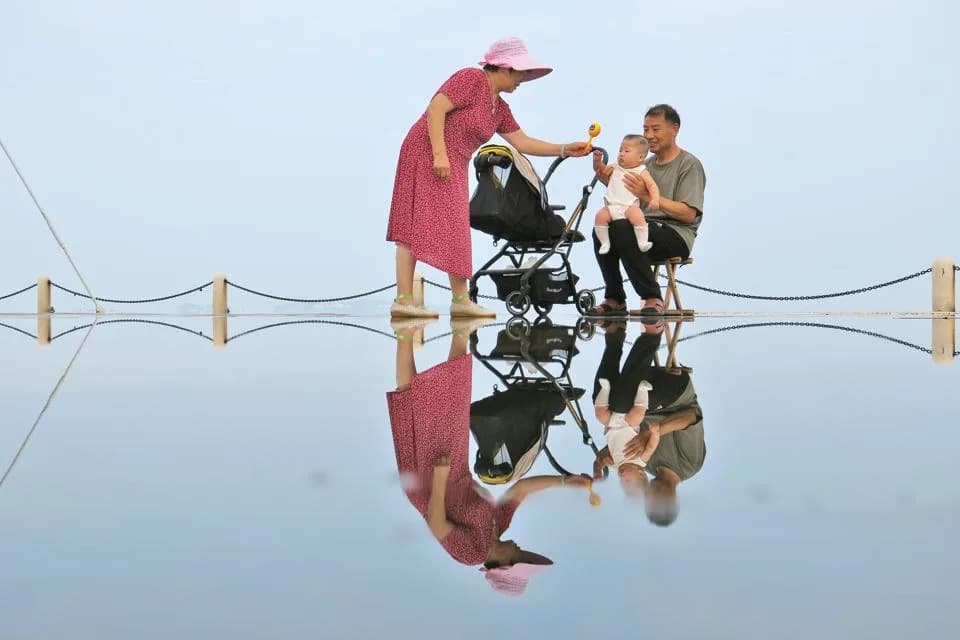
The week-long discussions were initiated and chaired by Argentina as part of a wider effort to address exclusion, discrimination and neglect associated with a rapidly aging global population. The U.N. projects that the number of people aged over 65 will roughly double over the next 50 years, reaching about one-fifth of the world’s population.
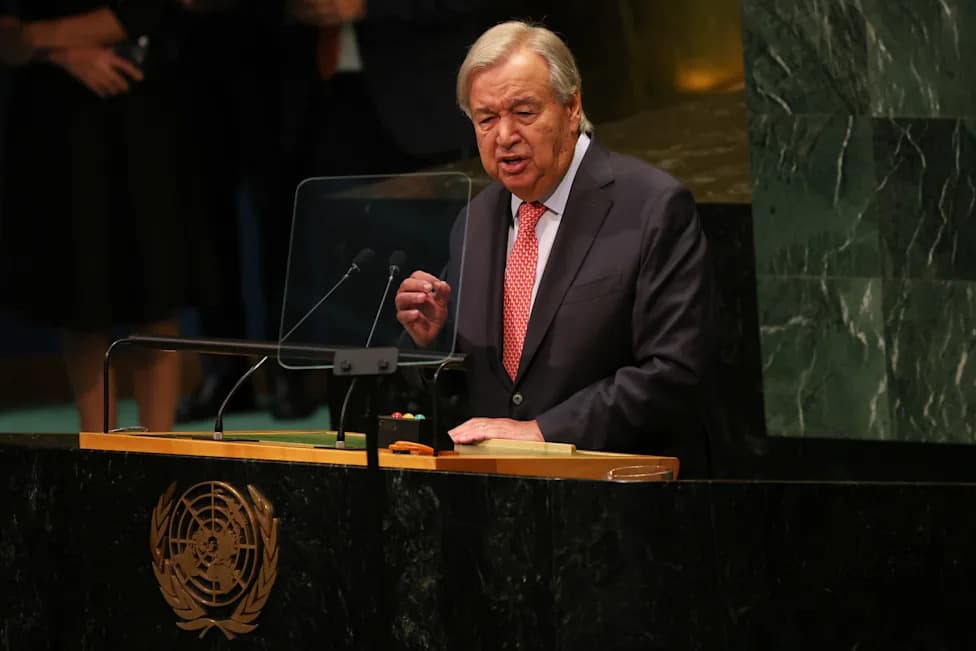
“Our objective is not just to address the needs of the present, but also to prepare a system that can meet the needs of the future,”
Brazil, Slovenia, the Philippines and Gambia are listed as the treaty’s main co-sponsors, and countries including Chile and South Africa publicly voiced support during the Geneva talks. Negotiators are scheduled to reconvene in October, but officials say the total time required to reach a final agreement is uncertain and could span years.
Why Supporters Say A Treaty Is Needed
Although existing international human-rights treaties contain non-discrimination provisions based on factors such as race and gender, there is no dedicated global treaty that specifically addresses age-based discrimination. Advocates argue that many gaps in protection remain.
Heidrun Mollenkopf, President of AGE Platform Europe, told Reuters that abusive practices in some care settings are often hidden from public view. She cited reports of chemical restraints used to control the behaviour of people with dementia and said there had even been alleged homicides, though she did not provide details of specific incidents.
“There are many situations where people are not fully protected by existing law,”
Human-rights organizations point to everyday examples of age-based limits that go largely unchallenged, including mandatory retirement ages, age restrictions on jury service and reduced screening or treatment offers for conditions such as cancer for older patients.
“The idea that people should just stop working because they have a birthday, it's arbitrary,”
Momentum And Opposition
Campaigners say momentum for formal negotiations accelerated after the COVID-19 pandemic, which disproportionately affected older people, and after successive European heatwaves that killed many seniors and prompted new government measures to protect them. Supporters warn, however, that the drafting process could be contested: some delegations may seek to weaken protections, while others might resist provisions they fear could raise healthcare or social-service costs.
Margaret Gillis, founding President of the International Longevity Centre Canada, predicted a tough negotiation ahead and said supporters will need to defend strong language in the treaty text. Mollenkopf, 85, said she hopes a treaty is adopted in her lifetime but expressed doubt it would be straightforward.
Next Steps
Negotiators will meet again in Geneva in October to continue drafting text. Observers say the process is likely to involve lengthy rounds of negotiation, input from civil society groups and political bargaining over scope and implementation mechanisms.
Context: A U.N.-appointed independent expert recommended reforms in a 2021 report, noting that ageism is pervasive and that stereotypes about ageing continue to shape laws and policies globally.
Help us improve.