The FDA revoked authorization for brominated vegetable oil (BVO) on July 3, 2024, after renewed studies— including a 2022 rat study—linked oral exposure to thyroid damage. BVO, used since the 1920s as a stabilizer in citrus sodas, was previously limited to 15 ppm. Manufacturers were given a one-year compliance window beginning August 2, 2024; beverages produced before the August 2, 2025 market deadline may still contain trace amounts.
FDA Removes Brominated Vegetable Oil: What You Need To Know About The Ban

A scientist holds a flask of golden liquid separated from clear liquid - sergey kolesnikov/Shutterstock
Update: On July 3, 2024, the U.S. Food and Drug Administration (FDA) declared brominated vegetable oil (BVO) unsafe and revoked its federal authorization. Manufacturers were given a compliance window beginning August 2, 2024, to reformulate and relabel products that contained BVO.
What Is BVO?
Brominated vegetable oil (BVO) is a chemical additive long used to stabilize citrus-flavored beverages by keeping flavoring oils from separating. Despite its name, BVO is not an ordinary cooking oil: it contains bromine, a halogen element, which is the source of most health concerns associated with the compound.
Regulatory History
BVO has appeared in food products since the 1920s. In 1970, after toxicology findings from Canada, it was removed from the Generally Recognized As Safe (GRAS) list. Regulators did not ban it outright at that time but restricted its use to fruit-flavored beverages at concentrations not exceeding 15 parts per million (ppm).
Recent Evidence And FDA Action
Analytical methods and toxicology research improved in the 2010s, renewing scrutiny of BVO. A 2022 study published in Food and Chemical Toxicology reported that oral exposure to BVO produced adverse effects on the thyroid glands of rats. Citing accumulated evidence, the FDA determined BVO was unsafe for consumption and revoked its authorization on July 3, 2024.
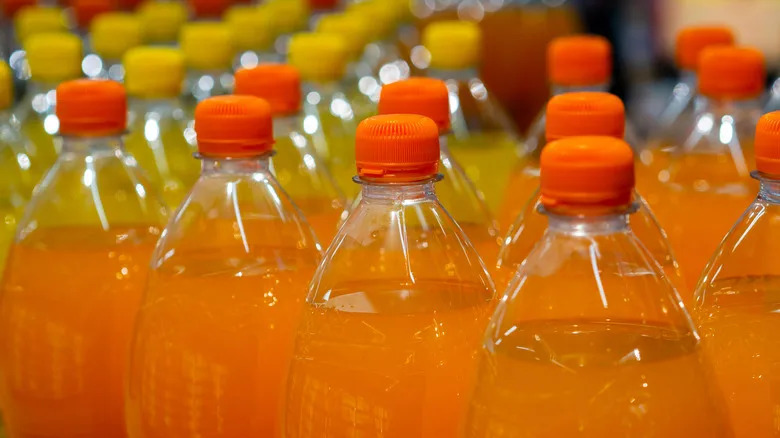
Rows of orange soda and citrus soft drinks - Bauwimauwi/Getty Images
Following the FDA decision, manufacturers were given a compliance timeline starting August 2, 2024. Companies had one year to remove BVO from formulas and update labels. Products manufactured and stocked before the compliance deadline may still contain trace amounts until they are sold through.
Health Concerns
Animal studies cited by regulators showed measurable thyroid toxicity in rats. The thyroid is an endocrine gland that produces hormones regulating metabolism; disruption can lead to hypothyroidism, which may cause symptoms such as fatigue, weight gain, depression or anxiety. Other reported effects associated with BVO exposure include nausea, headaches and central nervous system impacts. Human data are more limited than animal data, but regulators acted out of precaution given the available evidence.
What Consumers Should Do
If you want to avoid BVO, check ingredient lists for terms containing the word "brominated". Although many large soda makers phased out BVO years earlier, some smaller or private-label brands continued to use it until the recent regulatory action. Industry reports named examples such as Sun Drop (Keurig Dr Pepper), Great Value Orangette (Walmart) and Giant's Orange Soda among products that previously used BVO.
Keep in mind that beverages produced before the manufacturer compliance deadline could still be on shelves for some time and may contain trace amounts. When in doubt, check the product manufacture date, contact the maker, or choose brands that explicitly list themselves as BVO-free.
Bottom line: The FDA's revocation removes federal authorization for BVO after decades of use. Consumers who wish to avoid potential exposure should read labels and watch for ingredients described as "brominated."
Help us improve.