North Korean state media reported on Sunday that the country's newest 5,000-ton destroyer, the Kang Kon, carried out weapons trials at sea, a sign Pyongyang says moves the vessel closer to active service after a disastrous launch last year.
Details Of The Trials
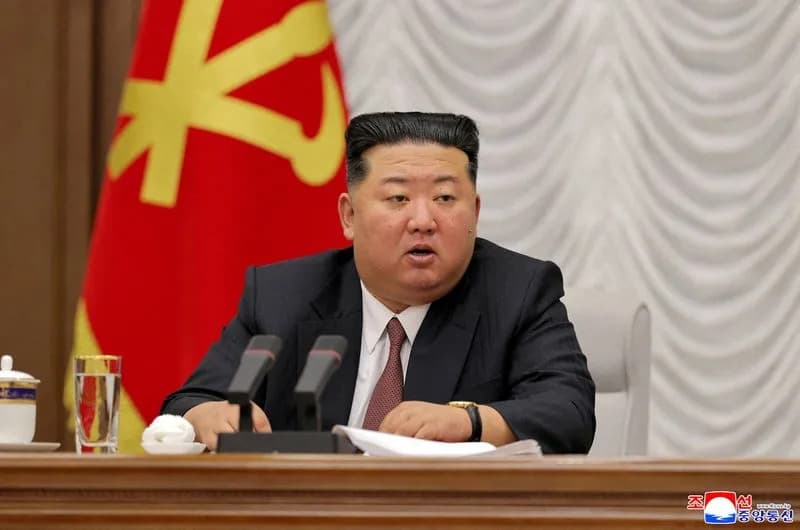
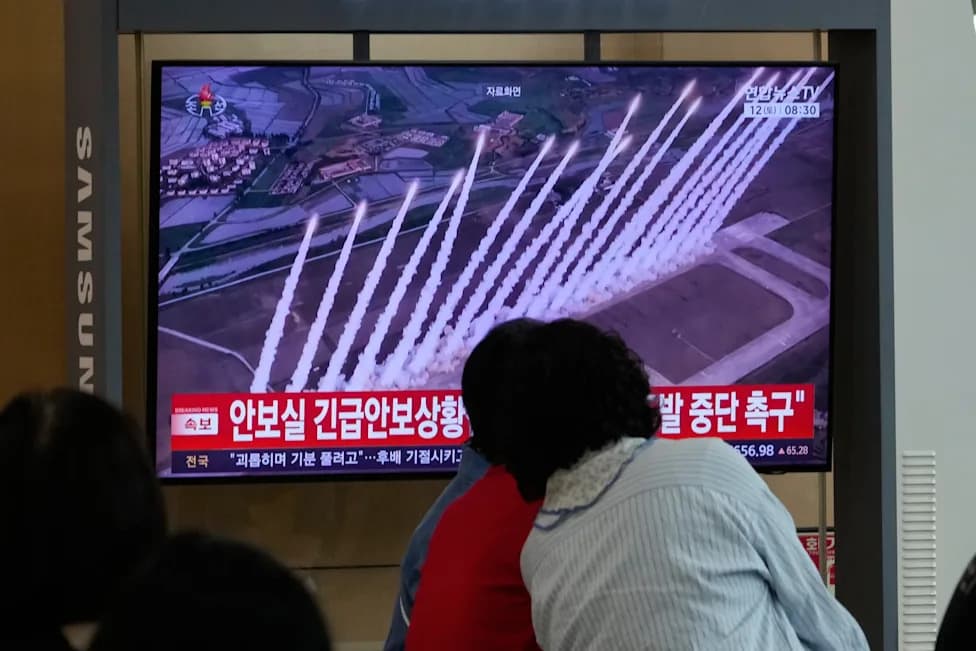
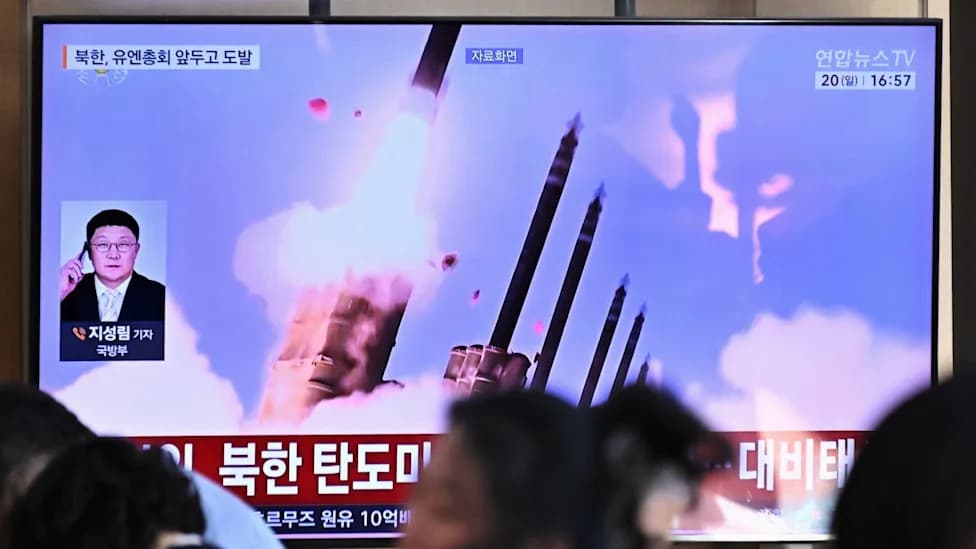
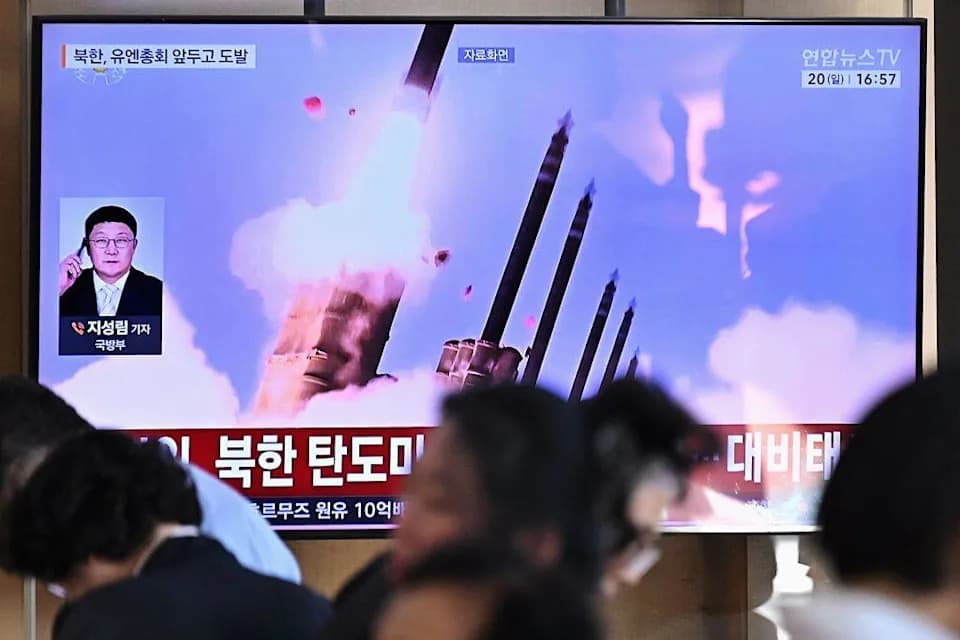
Footage aired by Korea Central Television showed the warship firing its main gun and an autocannon, alongside multiple vertically launched missiles. The state-run Korean Central News Agency (KCNA) described those missiles as "strategic" cruise missiles — language KCNA uses to imply nuclear-capable delivery systems. Officials also reported trials of the ship's electronic-warfare suites, information-processing systems and target-detection sensors. KCNA said the exercises were held on Friday in the presence of leader Kim Jong Un.
Background: The Botched Launch
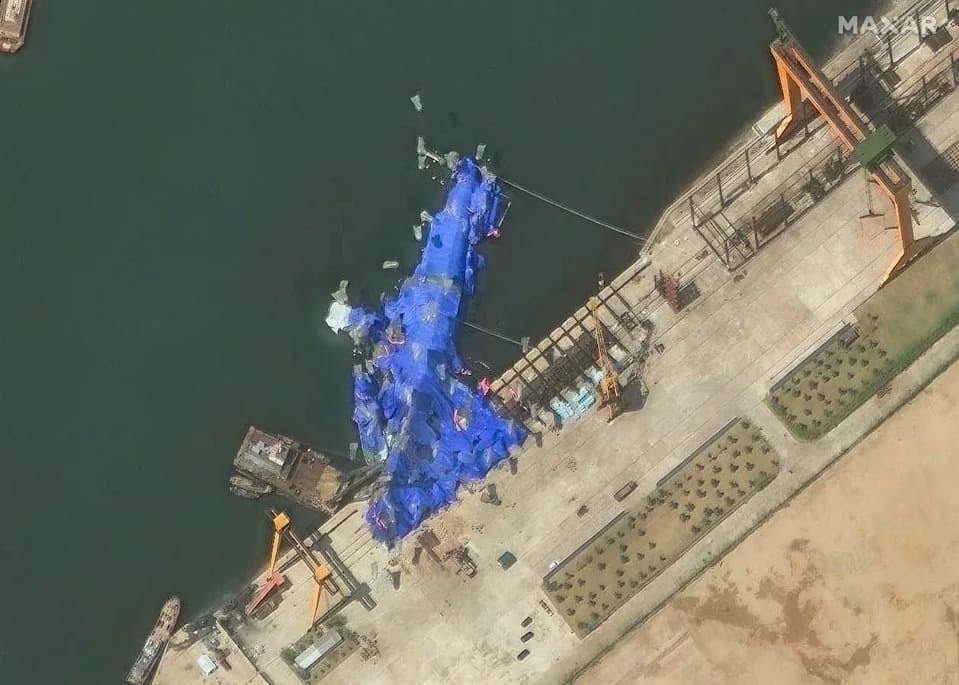
The Kang Kon is the second vessel in this 5,000-ton destroyer class, following the earlier Choe Hyon. The ship suffered a public and embarrassing setback during its first launch in May 2025 when its stern slipped down the slipway too early, crushing part of the hull and causing the vessel to capsize and list. Satellite imagery at the time showed the ship lying on its side. Kim Jong Un called the incident a "serious accident and criminal act," and state reports said several senior workers involved in the launch were detained.
Relaunch, Orders And Naval Ambitions
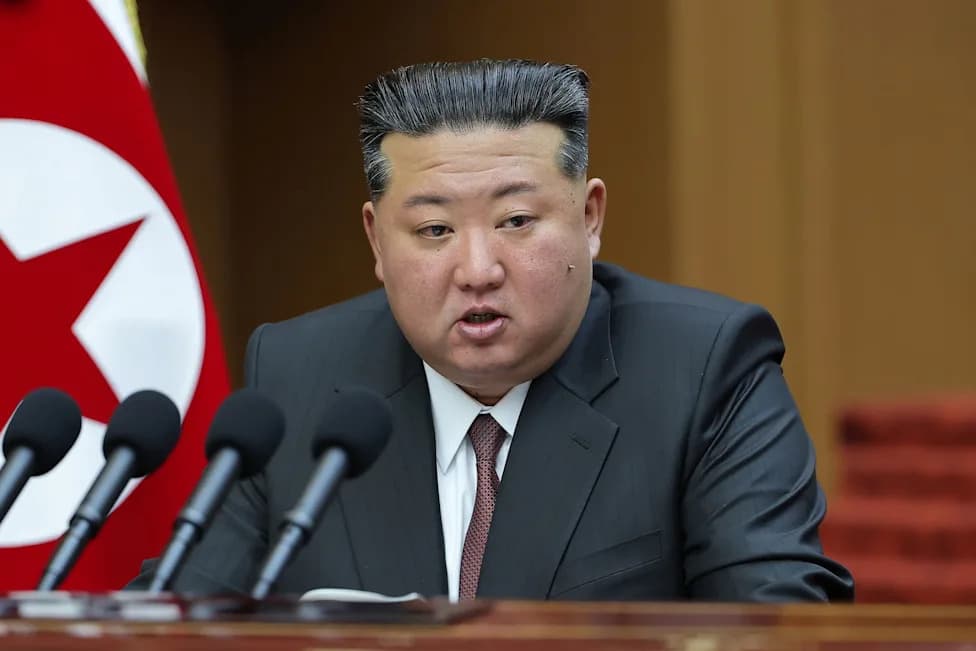
After repairs, the Kang Kon was relaunched a month later. State media now says Kim has ordered officials to prepare the ship for active duty within two months. Pyongyang also announced plans to build two more Choe Hyon–class destroyers and a separate 10,000-ton warship, which would become the largest vessels in its fleet.
Wider Context
North Korea has been steadily pursuing a more capable naval force that state media frames as a seaborne complement to its land-based ballistic-missile arsenal. In 2023, Pyongyang unveiled the Hero Kim Kun Ok submarine, reportedly capable of launching both ballistic and cruise missiles and described as loosely based on the Soviet-era Romeo-class design.
Note: All operational details and the designation of missiles as "strategic" come from North Korean state media. Independent verification of the payloads or nuclear capability of the missiles was not provided in those reports.
Sources: Korean Central News Agency (KCNA), Korea Central Television (KCTV), satellite imagery archives cited in earlier reports.