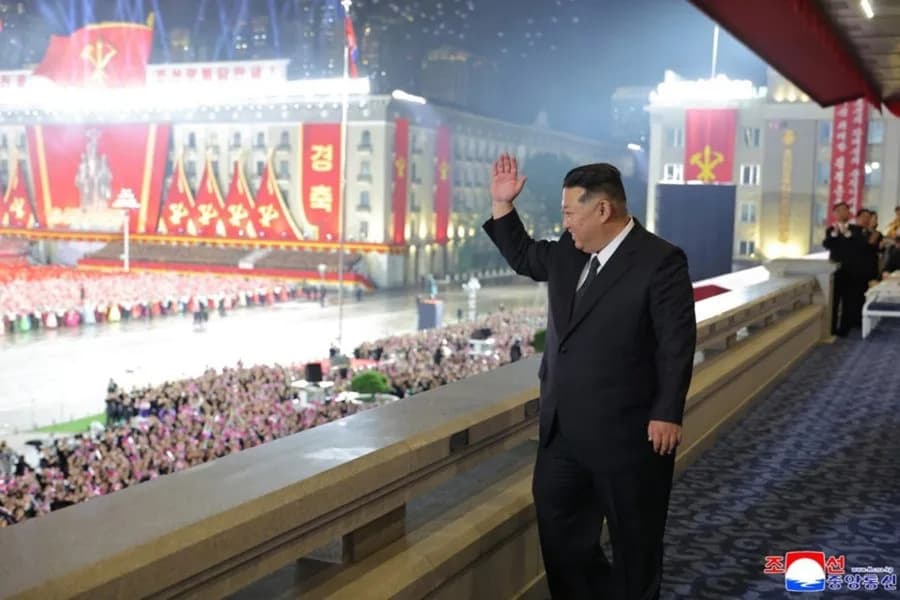
North Korea's KCNA reported a test launch on Sept. 20 of what it called an "ultra‑modern" weapon, with images from outside monitors suggesting a short‑range missile fitted with a possible hypersonic warhead. Hypersonic weapons travel at least five times the speed of sound and can maneuver in flight, making them harder to intercept than conventional ballistic missiles. KCNA said Kim Jong‑un observed the trial; analysts urge caution, noting limited independent verification and the timing of the test ahead of major international diplomatic events.
North Korea Says It Test‑Fired an 'Ultra‑Modern' Missile — Images Suggest Possible Hypersonic Warhead
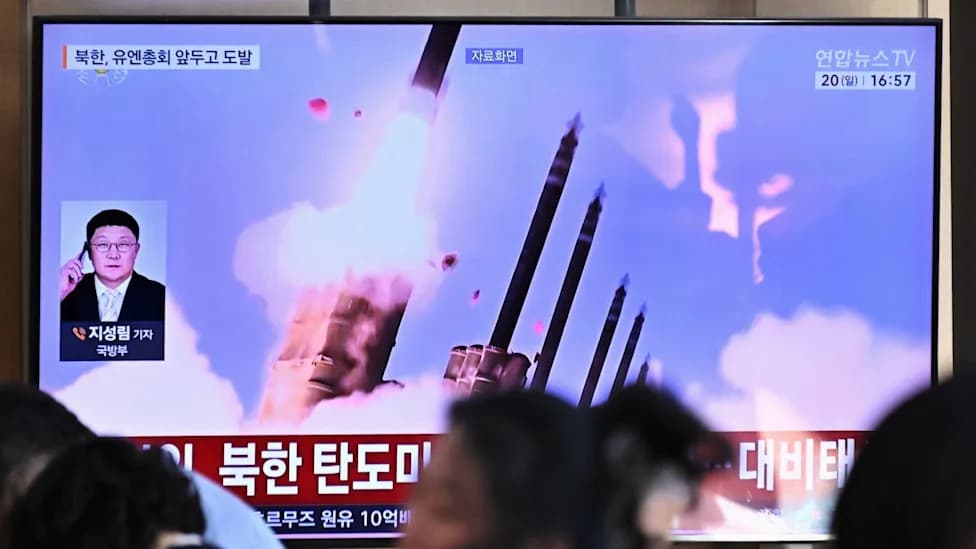
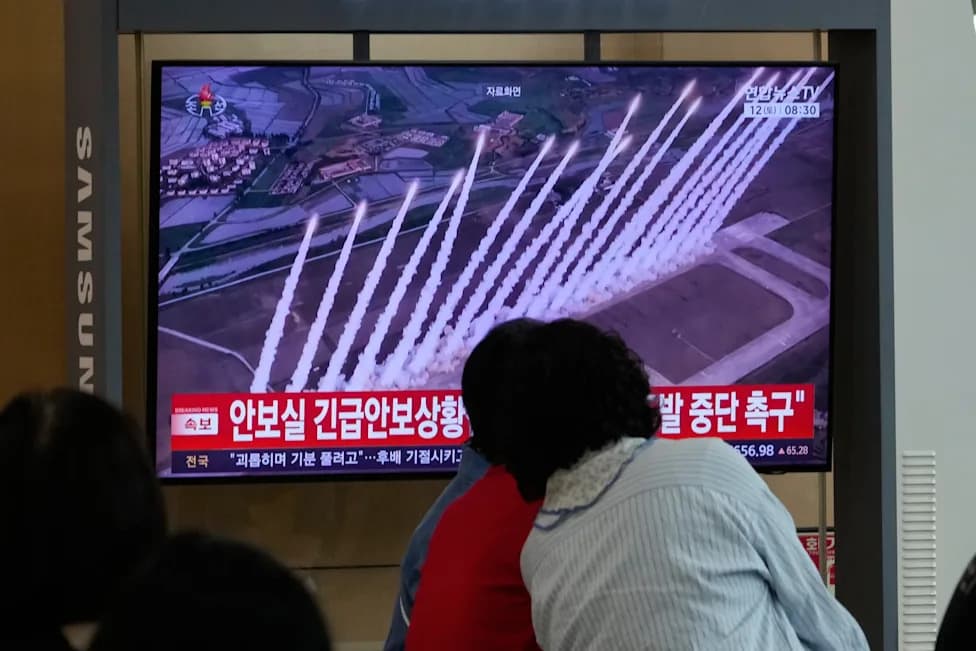
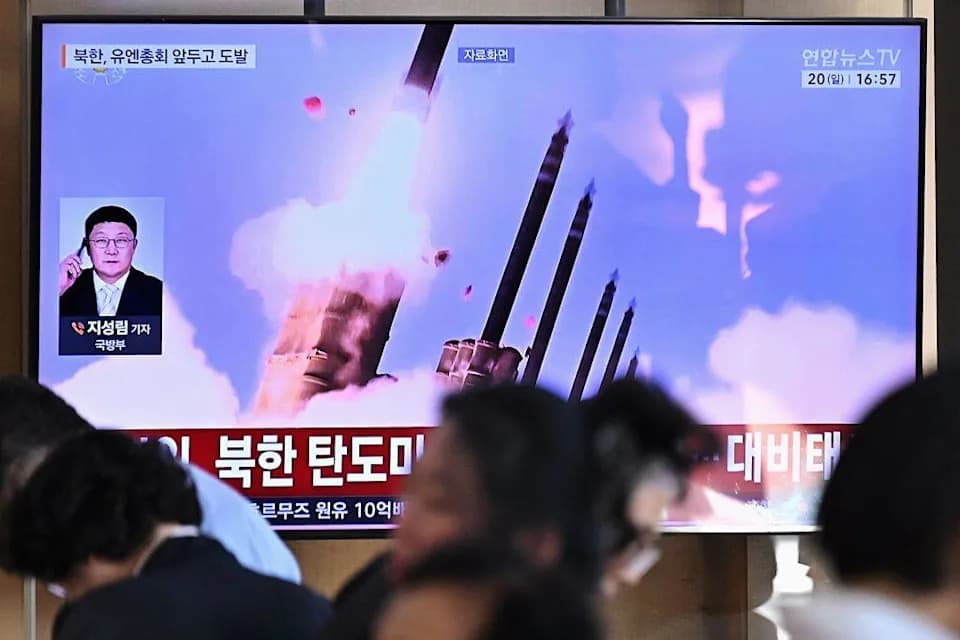
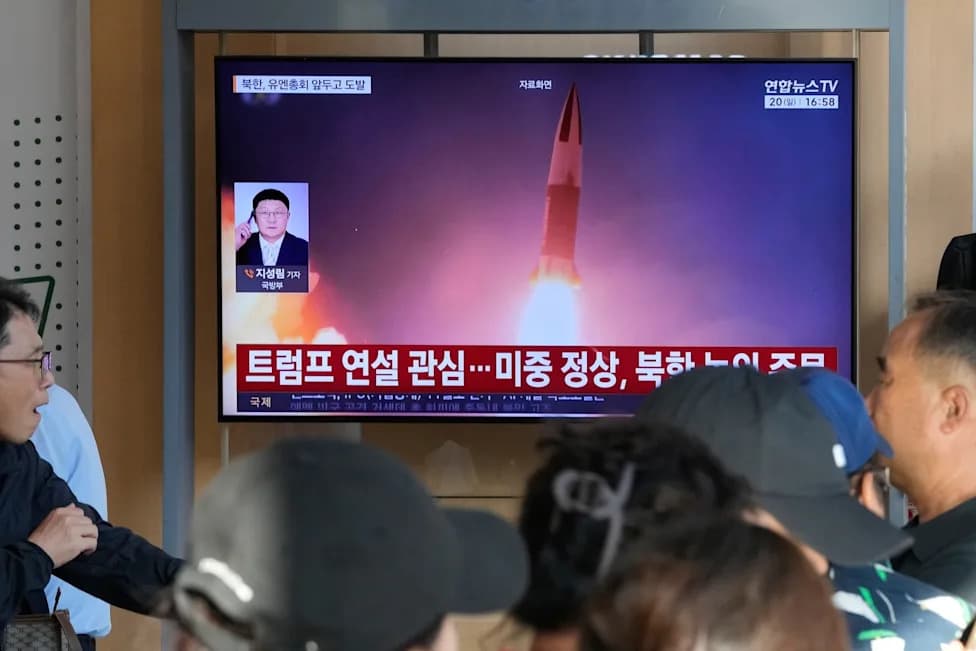
People sit near a television screen showing a news broadcast with file footage of a North Korean missile test, at a train station in Seoul on Sept. 20, 2026. North Korea fired a missile off its east coast on Sept. 20, South Korea's military said, days after Pyongyang reaffirmed its status as a nuclear-armed state.
North Korea's state news agency reported that the country test‑launched "a new type of weapon" on Sunday, Sept. 20, with the announcement published by KCNA on Sept. 22. Independent monitors and Seoul‑based NK News say images from the test appear to show a short‑range missile topped by a hypersonic‑style warhead.
What Was Reported
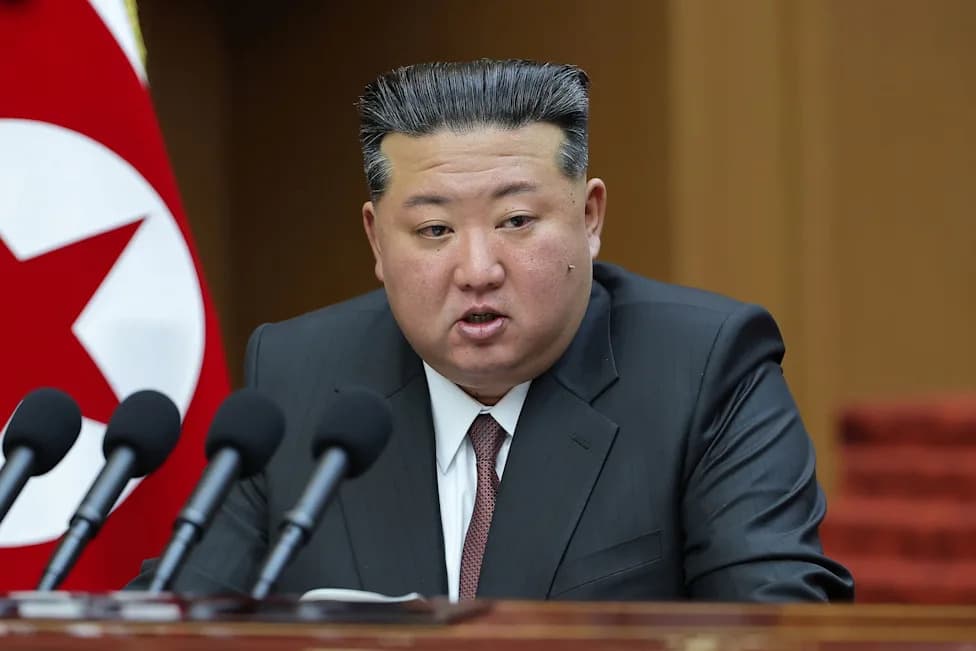
KCNA offered few technical details but described the tested system as an "ultra‑modern defense technology" and said leader Kim Jong‑un attended the launch. South Korea’s Yonhap agency quoted Kim as saying the system would give an enemy "an incurable headache and a very cruel and unavoidable blow."
What Hypersonic Means
Hypersonic vehicles travel at least five times the speed of sound (Mach 5) and are designed to maneuver during flight. Those capabilities can make them harder to detect, track and intercept than traditional ballistic missiles, which follow more predictable arcs.
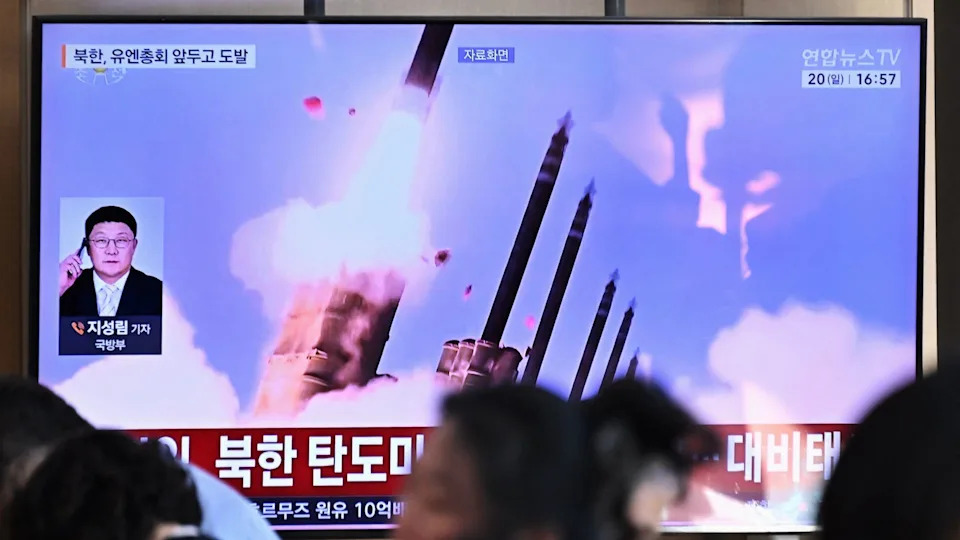
People sit near a television screen showing a news broadcast with file footage of a North Korean missile test, at a train station in Seoul on Sept. 20, 2026. North Korea fired a missile off its east coast on Sept. 20, South Korea's military said, days after Pyongyang reaffirmed its status as a nuclear-armed state. | Credit: Photo by Lillian Suwanrumpha/AFP via Getty Images
Context And Caution
Several countries, including the United States, Russia and China, have been developing hypersonic weapons for years, so North Korea’s reported work on similar technology aligns with global trends in missile development. However, state media statements mix technical claims with political rhetoric, and independent verification of the test’s capabilities is limited.
North Korea already possesses nuclear warheads and continues efforts to expand its missile forces and delivery range. Analysts often note that Pyongyang times launches to coincide with diplomatic events or military drills; this test occurred just ahead of the U.N. General Assembly’s high‑level debate and a U.S.‑China summit in Washington, which observers say could indicate a political message.
What To Watch Next
Confirming the warhead type, range and maneuverability will require further imagery analysis and intelligence reporting. International responses and any related sanctions or diplomatic statements will also be important to monitor.
Bottom line: North Korea says it test‑fired an "ultra‑modern" weapon that may involve hypersonic technology; independent verification is limited, and the test's timing suggests a political signal as well as a technical demonstration.
Help us improve.