One thousand days after October 7, the Syrian buffer zone remains a lesser-known but volatile front. After reports that Bashar al-Assad was toppled in December 2024 and replaced by Ahmed al-Julani (reported to use the name Ahmed al-Sharaa), the IDF moved into the buffer near Quneitra amid uncertainty over control. Commanders say rules of engagement have hardened to meet threats immediately, and diplomatic progress on a withdrawal looks unlikely before Israel’s elections. The toppled statue of Assad underscores how quickly conditions on the ground can change.
Inside the Syrian Buffer Zone: Why Israel Has No Plans to Leave
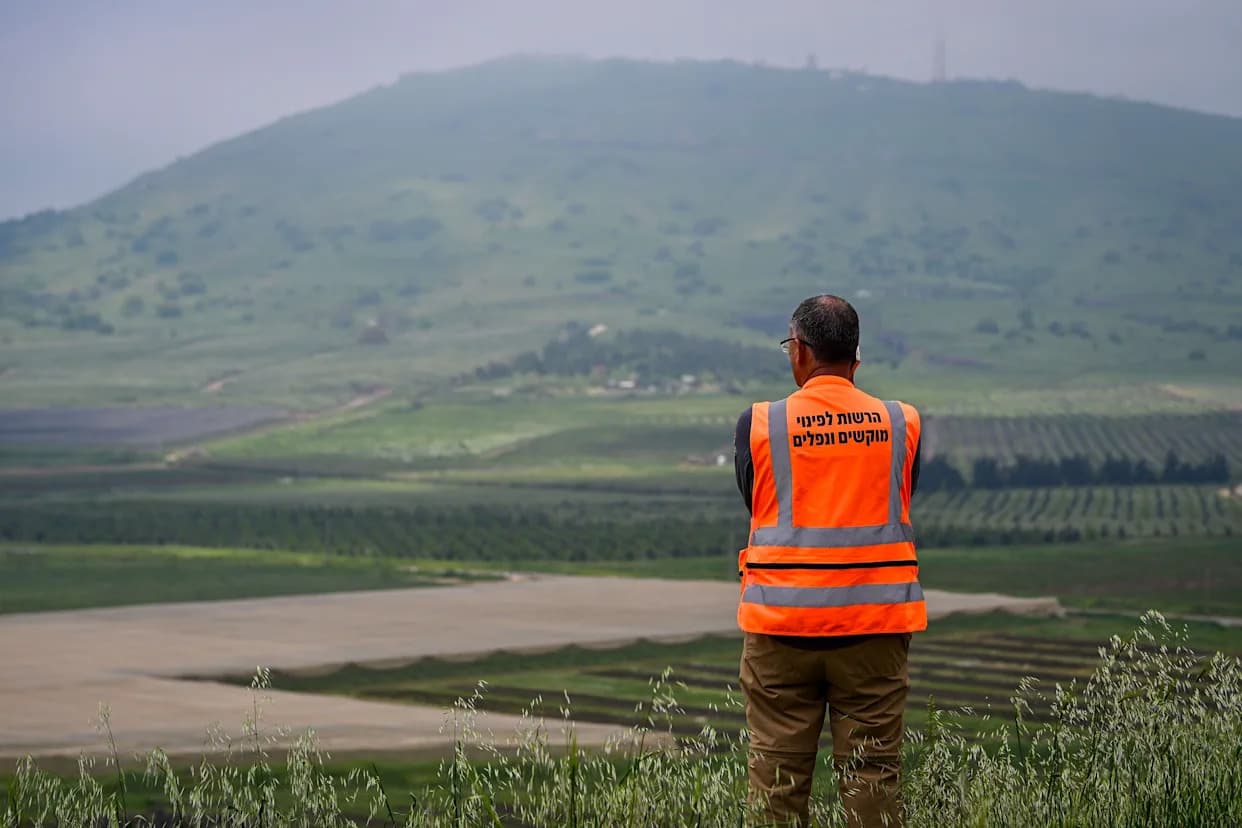
The Israel Ministry of Defense’s National Mine Action Authority (INMAA) clears minefields with the assistance of sappers from 4M Defense Mine Solutions in the northern Golan Heights near the Syrian border, April 28, 2026. (photo credit: Michael Giladi/Flash90)
One thousand days after the October 7 attacks, Israelis remain intimately familiar with buffer zones in Gaza and Lebanon — but the strip along the Syrian border has received far less attention despite growing instability.
A Sudden Shift in Control
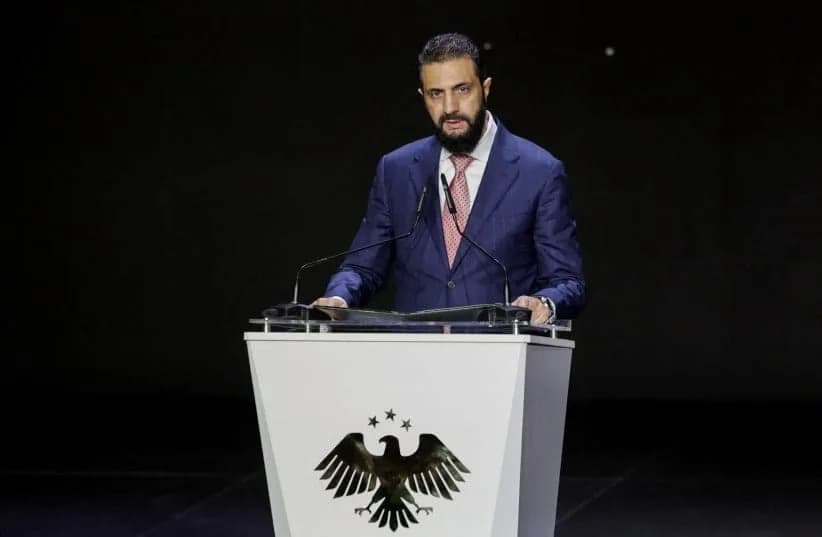
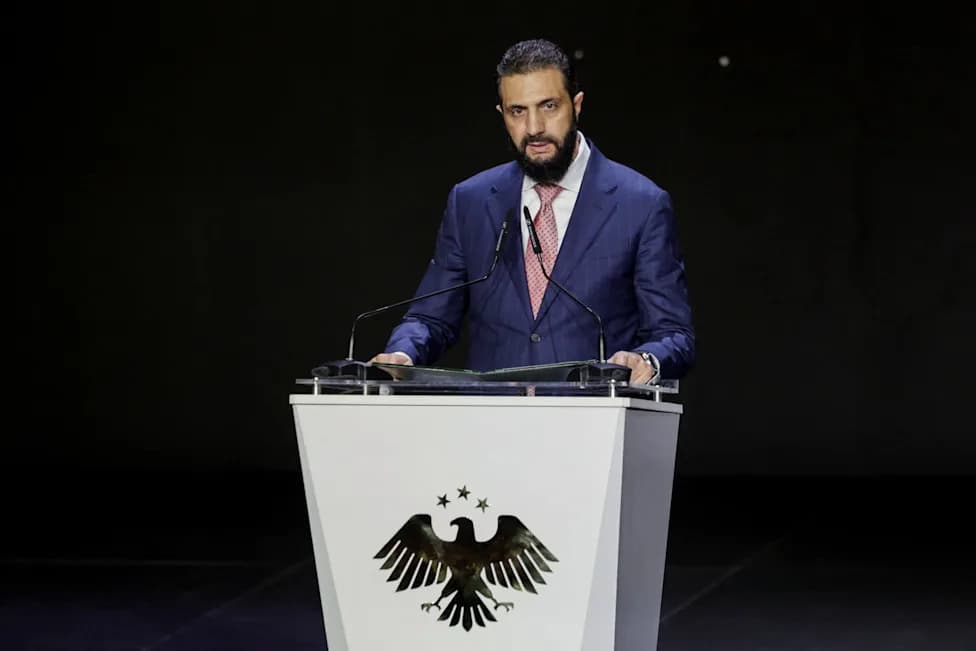
The situation along the Syrian frontier changed markedly in December 2024 when, according to reports, President Bashar al-Assad was overthrown by Ahmed al-Julani, who is said to be using the official name Ahmed al-Sharaa. That turn of events prompted a rapid reassessment in Jerusalem about who controls the buffer zone established after the 1973 Yom Kippur War.
Why the IDF Moved In
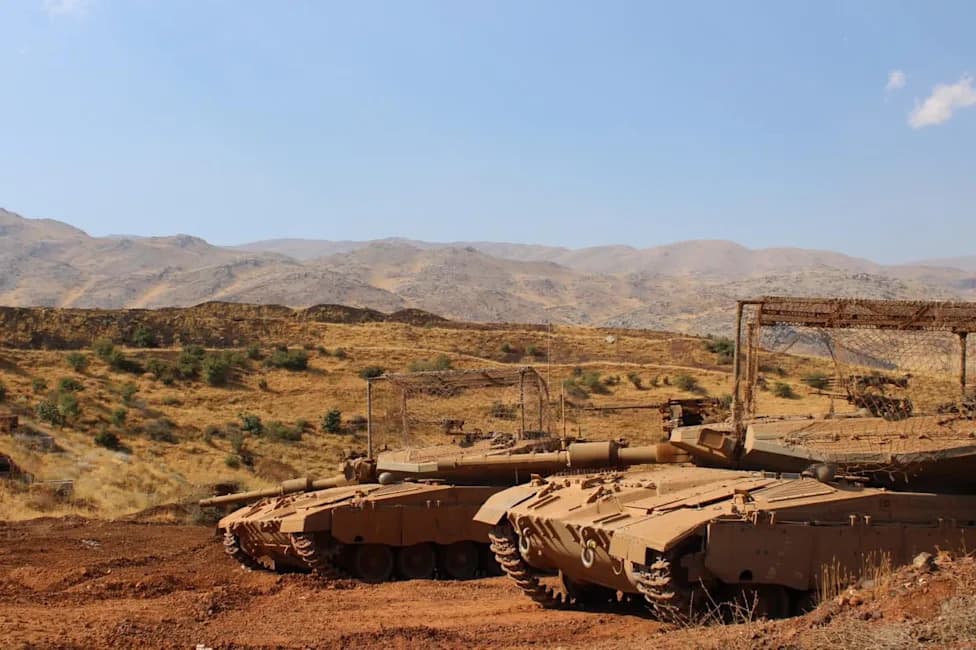
Uncertainty about which actors would occupy the area led the Israel Defense Forces to enter the buffer zone near Quneitra. Commanders described finding signs of a sudden Syrian withdrawal: ‘‘When we entered the area a few hours later, the coffee was still boiling, clothes were hanging to dry, and food was left scattered around,’’ one recalled.
“One of the key lessons of October 7 was that you don’t wait to determine whether a threat exists — you act before it materializes,” a commander told The Jerusalem Post.
Harsher Rules Of Engagement
Since deployment, Israeli commanders say the rules of engagement have tightened. They report that threats are met swiftly and decisively — a shift from earlier, more restrictive orders that at times prohibited firing on observers approaching the border fence.
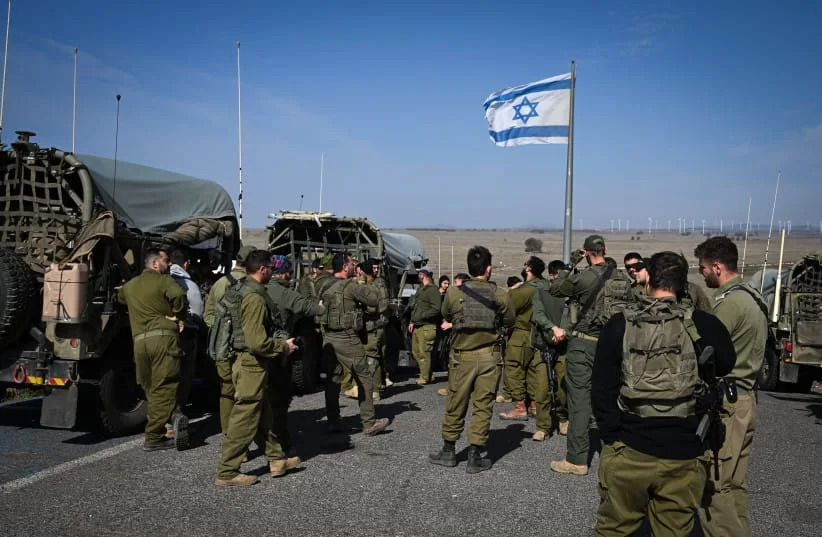
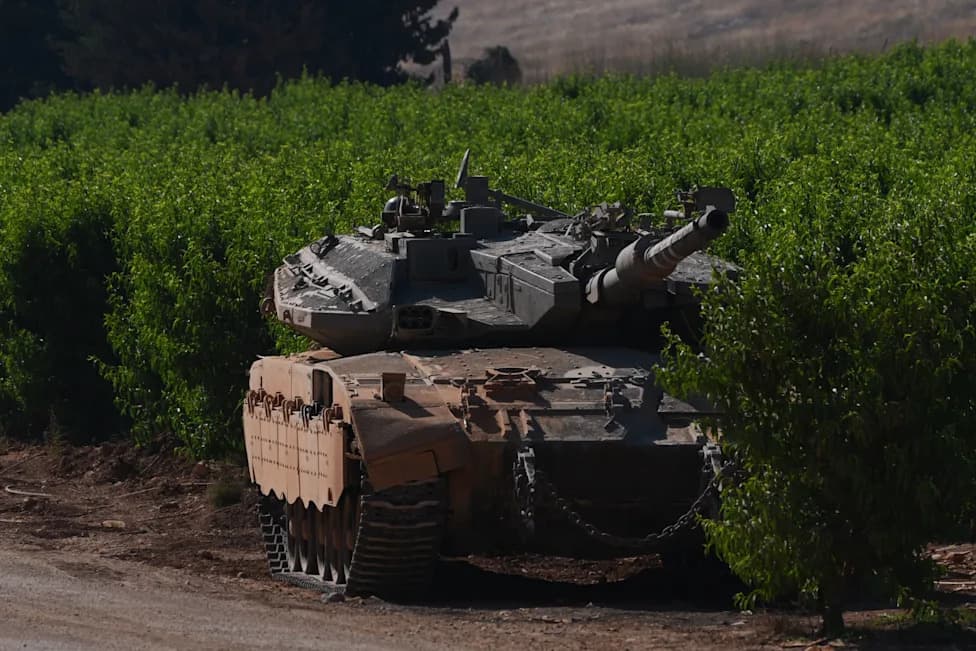
IDF reserve soldiers take part in a surprise military drill in northern Israel along the border with Lebanon and Syria, a day after Hezbollah's chief of staff, Haytham Ali Tabatabai's assassination, Golan Heights, November 24, 2025 (credit: MICHAEL GILADI/FLASH90)
One commander recounted identifying Hezbollah operatives at a Syrian military outpost and ordering a tank round at the position, saying intelligence gathered by Syrian forces often reached other groups operating in the area.
Diplomatic Outlook Remains Bleak
U.S. officials and Israeli sources quoted by the Post judge that meaningful progress in Syria–Israel talks is unlikely before Israel’s upcoming elections. The new Syrian leadership is reported to demand at least partial Israeli withdrawal from the buffer zone as a precondition for any negotiation, a stance that Israeli officials view as politically fraught ahead of the vote.
On the Ground: A Fragile Calm
Even as the area appears calm, commanders stress their presence aims to protect Golan Heights residents and preserve a sense of security. The toppled statue of Assad at a Quneitra roundabout — its face vandalized and covered in graffiti — serves as a vivid reminder that apparent tranquility can be fleeting.
What remains clear: the buffer zone along the Syrian frontier is far from a settled issue. Rapid political change in Damascus, competing armed actors, and electoral politics in Israel all combine to make the status of the zone uncertain for the foreseeable future.
Help us improve.