The German lower house approved a bill to accelerate motorway, rail and inland waterway construction by simplifying and digitizing approvals for projects backed by a €500 billion debt-funded special fund. Transport Minister Patrick Schnieder said the law will prevent delays measured in "years or decades." Critics from the Greens, AfD and The Left argue it risks weakening environmental and participation rights, enabling expropriations or failing without more planning staff. The law still needs final approval from the Bundesrat.
Germany’s Lower House Approves Law to Fast‑Track Motorway, Rail and Waterway Projects
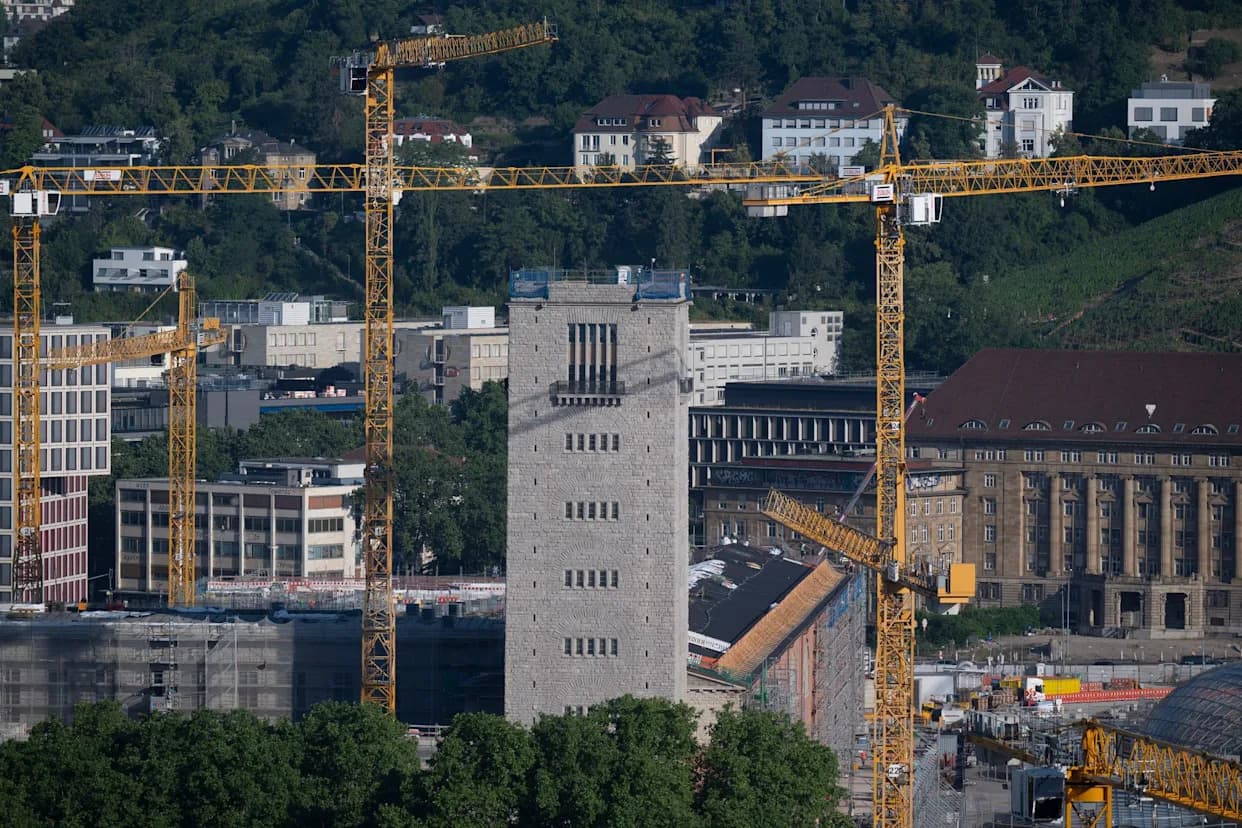
FILE PHOTO - A view of the construction site for the Stuttgart 21 rail project at Stuttgart Hauptbahnhof (Central Train Station). (is associated with: «German parliament passes law to speed up transport projects») Marijan Murat/dpa
Germany’s lower house of parliament on Friday approved a bill designed to speed up construction of motorways, rail lines and inland waterways by simplifying and digitizing approval procedures for major infrastructure projects.
The measure targets projects financed by a new, debt-funded special fund worth €500 billion (about $571 billion) set up to modernize German infrastructure. The law amends a range of procedural, planning and environmental regulations and places particular emphasis on prioritizing "projects of overriding public interest and public safety," so they carry greater weight when courts and authorities balance competing interests.
What Supporters Say
Transport Minister Patrick Schnieder defended the legislation, saying it will ensure Germany does not have to "wait years or decades for important projects to be implemented." Supporters argue that streamlining and digitizing approval processes will cut red tape, reduce delays and make it easier to deliver urgently needed upgrades to roads, rail and waterways.
Critics Raise Concerns
Opposition lawmakers warned of potential downsides. Green Party spokeswoman Swantje Henrike Michaelsen said:
"Under the guise of speeding things up, you are shredding nature conservation and participation rights."She added that faster expansion should prioritize the rail network rather than new motorways.
Alternative for Germany (AfD) MP Ulrich von Zons cautioned against increased expropriations and said the reforms risked undermining an honest balancing of interests. Jorrit Bosch of The Left pointed to internal capacity problems, noting:
"If you want to plan faster, you need people who can plan."
Next Steps and Implications
The bill still requires final approval from the upper house, the Bundesrat, where further debate and possible amendments are likely. If enacted, the law could accelerate delivery of high-profile infrastructure projects, but its ultimate impact will depend on how courts interpret the new prioritization rules, how authorities implement digitized processes and whether staffing and environmental safeguards are adequately addressed.
Help us improve.