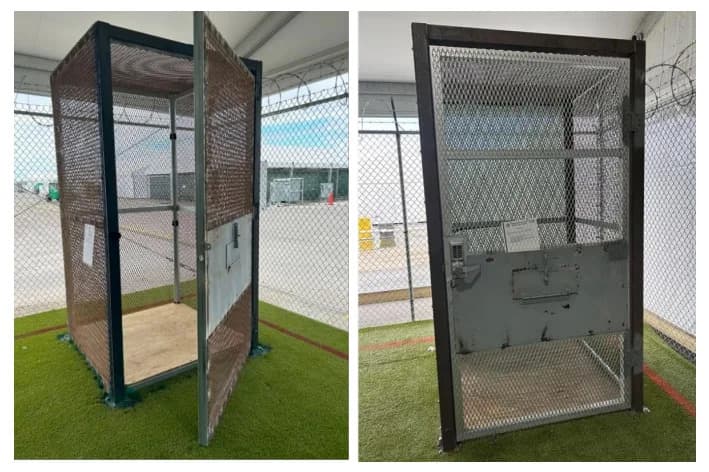
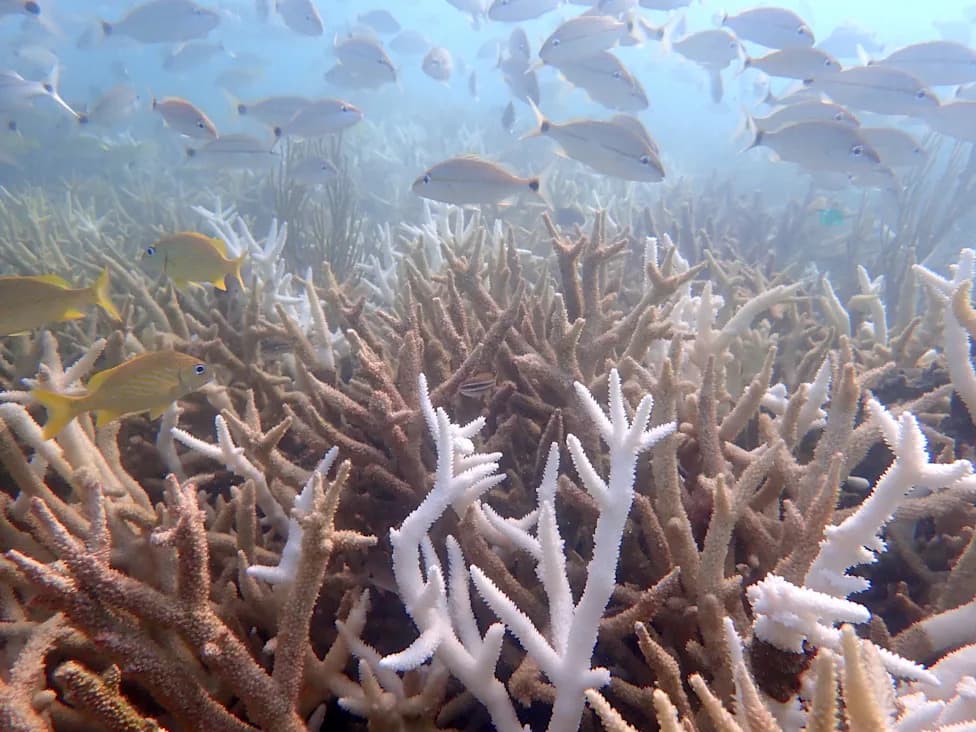
Florida and federal officials announced June 25 that Alligator Alcatraz, a temporary Everglades detention site, has been closed and now holds no detainees. Officials say the site processed more than 22,000 people since its July opening and was erected as an emergency response while federal processing capacity was strained. Miami‑Dade's mayor has proposed adding the 17,000‑acre property to the Comprehensive Everglades Restoration Plan for permanent protection. The Miccosukee Tribe and environmental groups have active lawsuits alleging environmental harm and procedural violations; advocates estimate operations cost about $1 billion.
Alligator Alcatraz Permanently Closed; 17,000‑Acre Site Proposed as Everglades Preserve
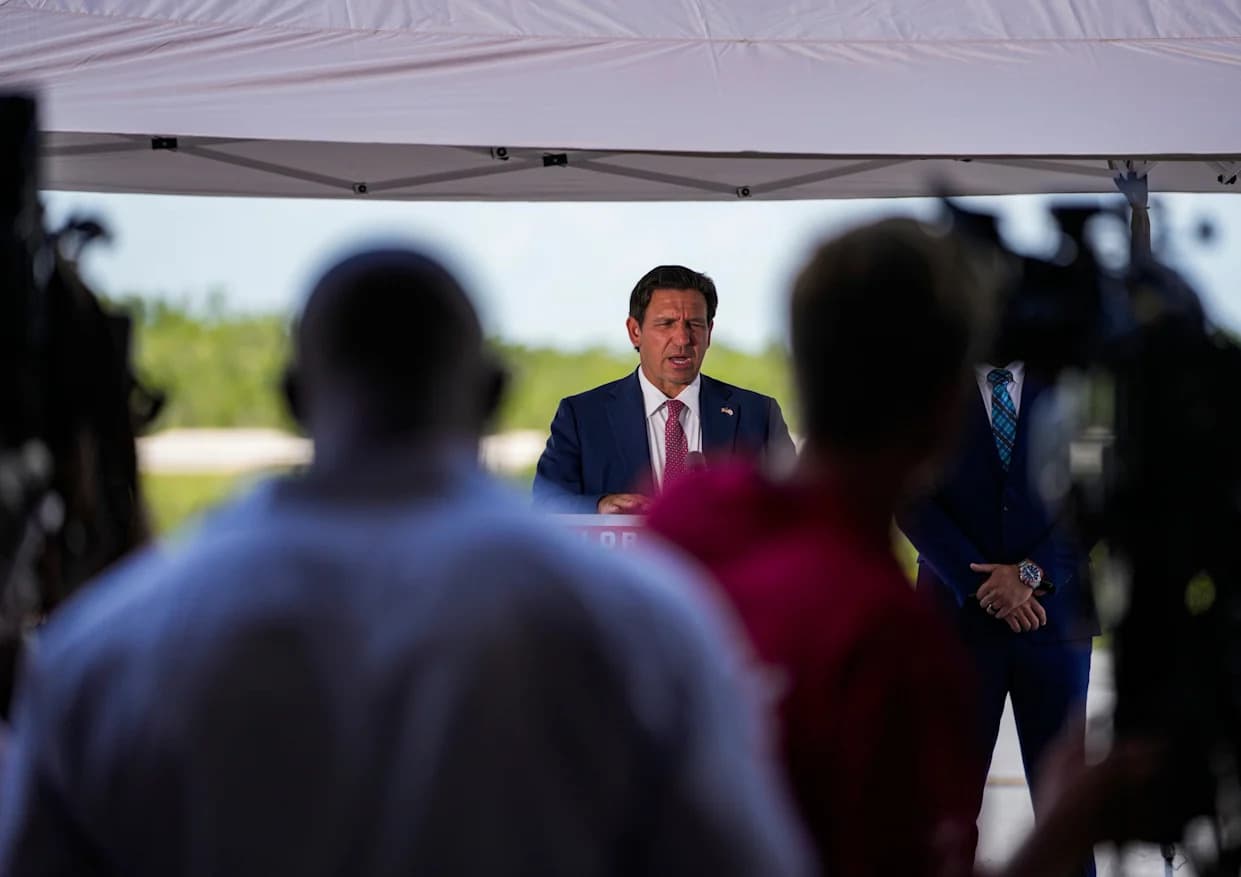
Alligator Alcatraz is closed, Florida Gov. DeSantis says. What's next for site
State and federal officials confirmed on June 25 that "Alligator Alcatraz," the temporary immigration detention center in the Everglades, has been closed permanently and currently holds no detainees.
Anthony Coker, executive director of the Florida State Board of Immigration Enforcement, said at a press conference attended by Gov. Ron DeSantis, White House border official Tom Homan and other officials that "Alligator Alcatraz today has zero detainees, which means mission success for Florida." Officials say the site processed more than 22,000 people since its July opening and was erected rapidly on a remote Everglades airstrip as an emergency response while federal processing capacity was strained.
What Officials Say
Gov. DeSantis and state leaders described the facility as a temporary, emergency measure to handle arrivals while federal resources were limited. "This was an emergency situation," DeSantis said, adding that the Department of Homeland Security lacked space and immediate resources at the time.
Plans For The Land
Miami‑Dade County Mayor Daniella Levine Cava announced an intent to pursue permanent protection for the 17,000‑acre property and to seek its inclusion in the Comprehensive Everglades Restoration Plan, one of the largest environmental restoration efforts in the U.S. County officials concluded that the remote site — with limited long‑term aviation value and significant maintenance needs — is better suited for restoration than continued airport use.
Opposition, Lawsuits And Environmental Concerns
The facility faced sustained criticism from South Florida's indigenous communities and environmental groups. The Miccosukee Tribe of Indians of Florida joined legal action last year seeking removal of equipment and infrastructure from the site; that suit remains active, tribal member Betty Osceola said.
"From the very beginning, I have raised serious concerns about the 'Alligator Alcatraz' detention facility because people have been held there in inhumane conditions without meaningful due process, while occupying land alongside one of the world’s most precious natural ecosystems," Mayor Levine Cava said. "Once this facility is decommissioned, we have an opportunity to permanently protect these lands for Everglades restoration and ensure they remain protected for generations to come."
Friends of the Everglades and other advocacy organizations filed multiple lawsuits alleging the state failed to follow environmental laws, including requirements for impact reviews before construction. The group also pursued public records requests related to state spending on the facility.
"'Alligator Alcatraz' will go down as one of the biggest failures in American history," said Eve Samples, executive director of Friends of the Everglades. "Our government failed to protect the Everglades and failed to follow basic environmental laws — while racking up a $1 billion tab paid by taxpayers."
Operations And Closure
The facility's operations were costly to run, and reports in recent days indicated a permanent wind‑down. The U.S. Department of Homeland Security had previously said detainees were moved for "their safety during hurricane season," while state and local sources confirmed vendors were ordered to begin full demobilization.
As the site is decommissioned, local leaders and advocates are pressing for permanent environmental protections and restoration work that aim to reverse damage and restore natural habitat across the property.
Reporting: Mickenzie Hannon, watchdog reporter for The News‑Press and Naples Daily News. Contact: [email protected].
Help us improve.