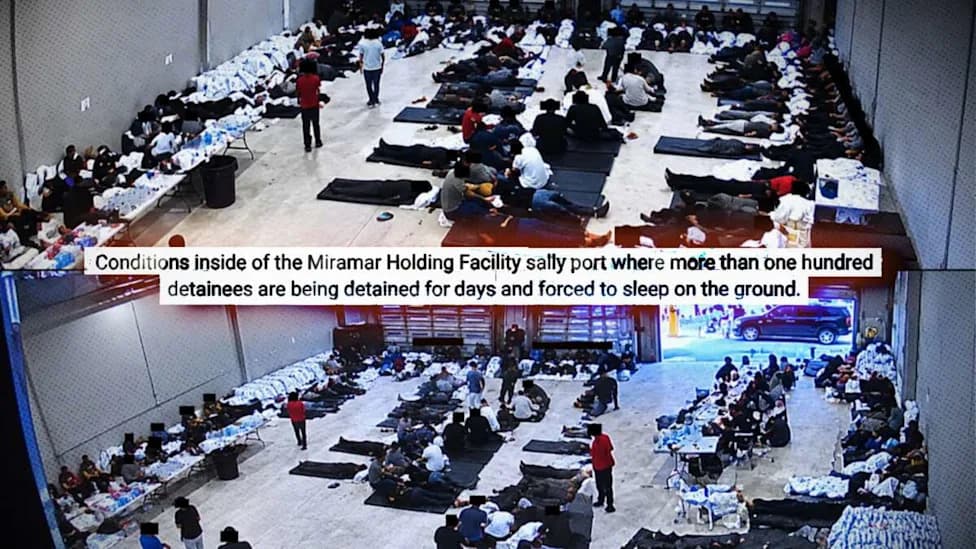
The DHS Office of Inspector General found that the Florida immigration site dubbed "Alligator Alcatraz" held detainees in cramped tented dorms and in 52×52‑inch metal enclosures. The 33-page report said dorm units offered roughly 28 square feet per person at capacity — far below Florida's 75‑square‑foot standard — and flagged limited recreation and shower access. Inspectors described the metal enclosures as "highly unconventional," noting 79 detainees spent time in them between July 2025 and January 2026. All recommendations were closed after the facility was shuttered in June.
Watchdog: 'Alligator Alcatraz' Kept Detainees in Cramped Tent Units and 52×52‑Inch Metal Enclosures
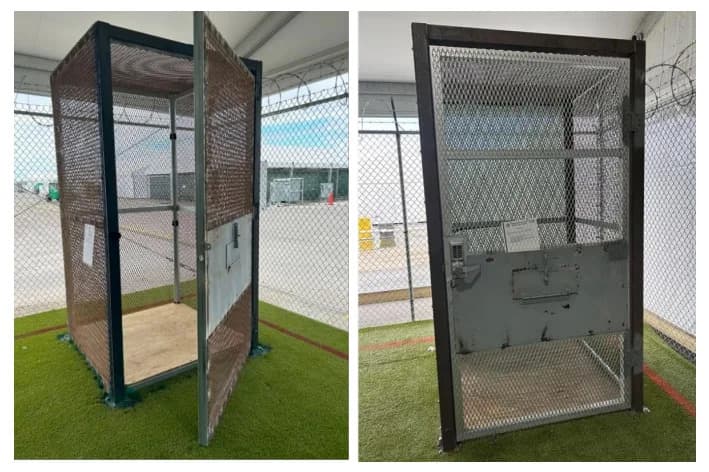
One of the
The Department of Homeland Security's Office of Inspector General (OIG) sharply criticized conditions at the Florida immigration site nicknamed "Alligator Alcatraz," concluding that detainees were held in cramped tented dorms and in small metal enclosures at times. The OIG released a 33-page report following an unannounced inspection of the state-run facility earlier this year; the site was closed in June.
Inspection Findings
Most detainees were housed in soft-sided tents on an airstrip in the Everglades, subdivided into dormitory-style units surrounded by metal fencing and fitted with bunk beds. The OIG found the units lacked common living areas and "did not provide detainees with sufficient living space." At capacity, the units provided about 28 square feet per detainee — well under the 75 square feet required by Florida state jail standards.
Health, Recreation, and Hygiene Concerns
The report warned that the limited space "may harm detainees' physical and mental health." Inspectors documented restricted access to recreation and showers: detainees received one hour of recreation three days a week and were permitted to shower only on Mondays, Wednesdays and Fridays. By contrast, ICE standards call for at least six hours of recreation weekly (or one hour a day for five days), and Florida standards require daily shower access.
Use of Small Metal Enclosures
OIG inspectors observed cage-like "small metal enclosures" measuring 52 inches by 52 inches (about 18 square feet). Staff described them as "calming areas," and the report said 79 detainees spent time in these enclosures between July 2025 and January 2026. Detainees were held in them for no more than two hours; the average stay was just under an hour.
The watchdog called the enclosures "highly unconventional" and said their use "does not align with standards for humane treatment," recommending their removal. Although staff told inspectors some detainees elected to use the enclosures for time alone and that doors were left unlocked with a posted notice saying detainees "may leave at any time," the OIG also documented at least one instance in which an enclosure was used as a disciplinary measure (a detainee placed inside for 26 minutes after failing to follow commands).
Standards, Oversight, and Accountability
OIG found facility staff could not clearly identify which detention standards governed detainees held on immigration-related charges, a lapse the report said "increases the risk that detainees may not receive appropriate care." In its assessment, the OIG compared Florida state jail standards and ICE's national detention standards and applied whichever was more restrictive.
All of the OIG's recommendations were closed after the facility ceased operations in June.
Responses and Context
State and federal officials defended the site during its operation. President Trump toured the facility in summer 2025 with Florida Gov. Ron DeSantis. A DHS spokesperson told CBS News that "Alligator Alcatraz was consistent with the same federal detention standards employed by previous administrations, including Biden and Obama," and called allegations of inhumane conditions or excessive force "FALSE." CBS News reported it reached out to the Florida Division of Emergency Management, which operated the facility, for comment.
OIG Conclusion: Confining people in small metal enclosures "presents significant risks to detainee health and well-being" and the housing units inspected "did not provide detainees with sufficient living space."
The OIG report adds to over a year of criticism from lawmakers, immigration attorneys and advocacy organizations, as well as opposition from environmental groups and a Native American tribe concerned about impacts on protected lands and the local ecosystem.
Help us improve.