North Korean state media have increasingly showcased a young girl—widely believed to be Kim Ju Ae, about 13—at missile tests and military parades alongside Kim Jong Un. The girl’s visibility, first publicly noted after Dennis Rodman said he met her as a baby, has prompted debate over whether she is being groomed as a future successor. Experts, including Anna Fifield, say this appears to be deliberate long-term messaging but remain skeptical that the country’s patriarchal elite would readily accept a teenage female leader.
Could Kim Jong Un’s Daughter Be Groomed To Lead North Korea?
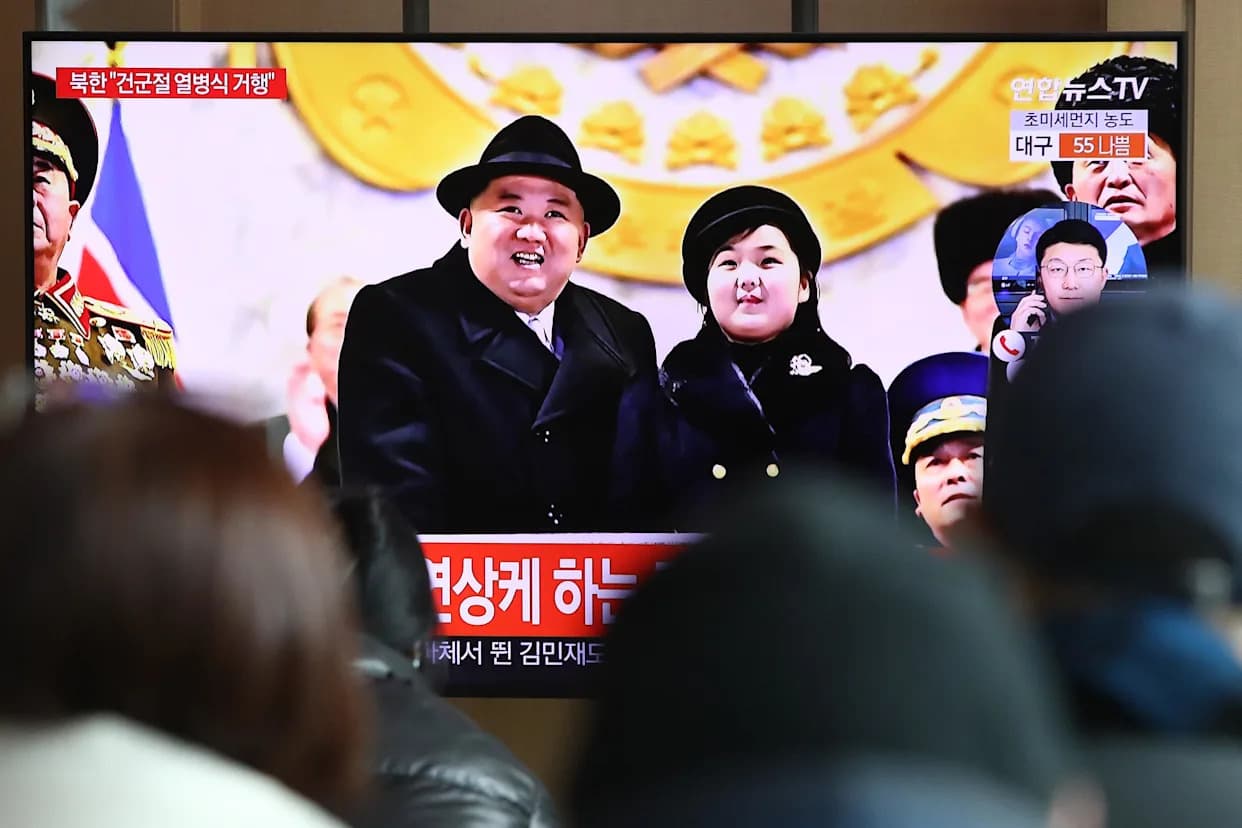
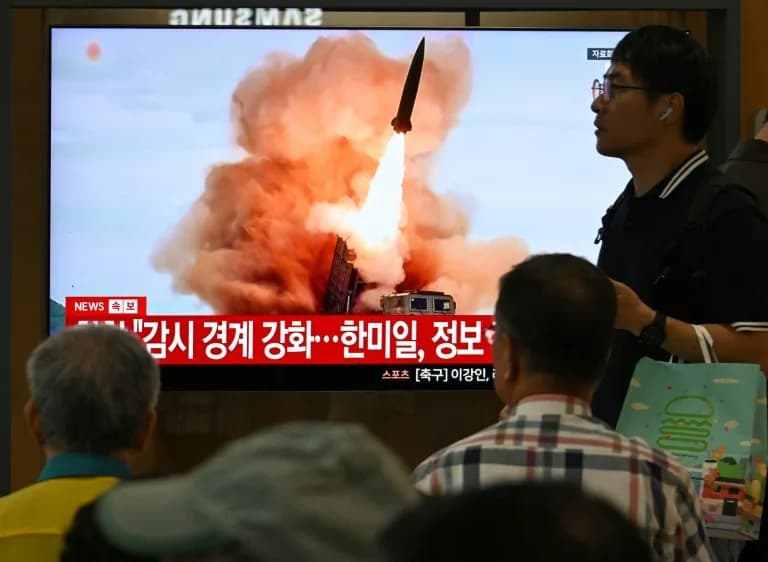
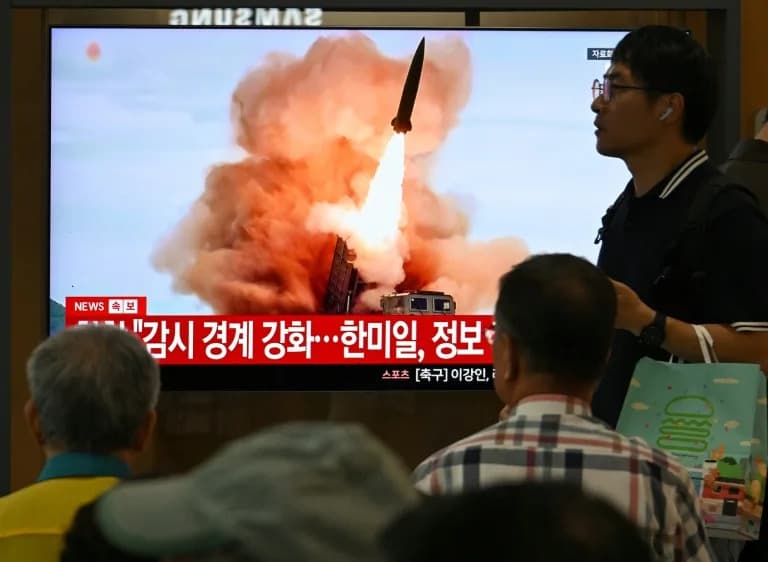
People watch a North Korean military parade celebrating the 75th anniversary of its armed forces at the Seoul Railway Station on February 9, 2023, in Seoul, South Korea. | Chung Sung-Jun/Getty Images
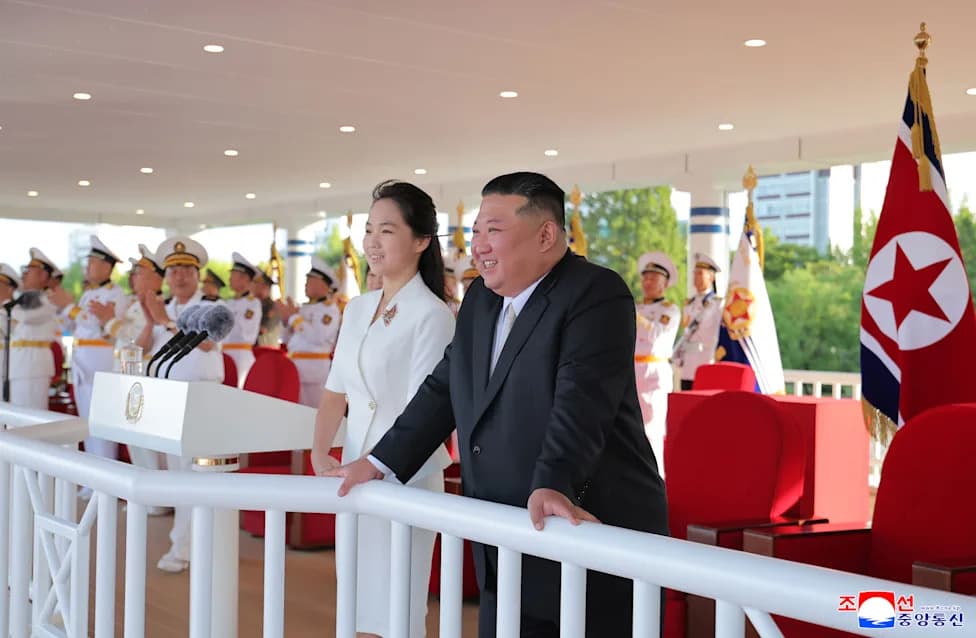
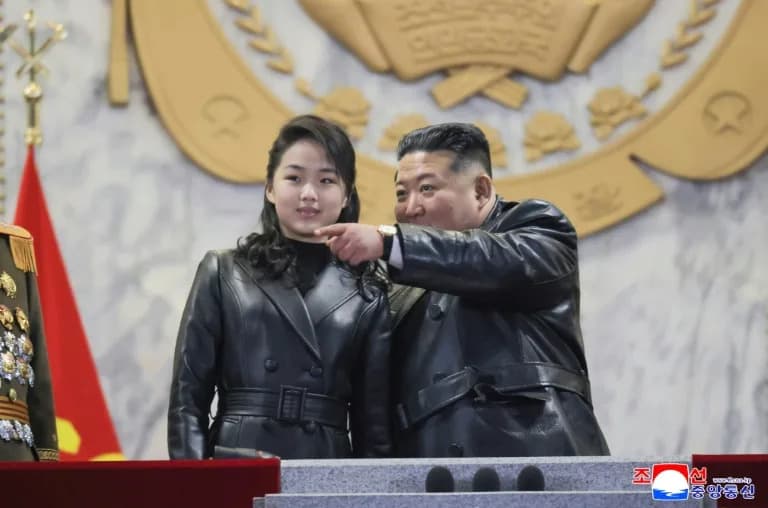
North Korean state media have in recent years given unusual prominence to a young girl, widely believed to be Kim Ju Ae, who has appeared alongside leader Kim Jong Un at missile tests, military parades and other high-profile state events. Her presence—sometimes shown inspecting missiles with her father or receiving salutes from senior officials—has prompted intense speculation about whether she is being introduced to the North Korean elite as a future successor.
Her name has never been confirmed in official North Korean announcements; the identifier Kim Ju Ae entered public awareness after former NBA star Dennis Rodman said he held a baby girl during a visit about a decade ago and was told her name. State media images of the girl have since been carefully presented, suggesting Pyongyang is shaping how both domestic and foreign audiences should interpret her appearances.
Why Her Appearances Matter
The frequency and setting of her appearances are striking. She has been pictured at missile launches, at massive military parades, and standing beside Kim Jong Un in coordinated outfits—sometimes echoing her father’s military style and at other times reflecting the wardrobe and grooming of her mother, Ri Sol Ju. Those visual cues appear intended to convey continuity: a blend of modern, family-oriented soft power and the regime’s martial authority.
What Analysts Say
Anna Fifield, former Washington Post Beijing and Tokyo bureau chief and author of The Great Successor, told the Today, Explained podcast that the girl’s appearances likely represent long-term messaging and a process of acclimatizing the narrow circle of power in Pyongyang to the idea of a fourth-generation succession. Fifield notes that Kim Jong Un’s own rise was unusually rapid and that he may be trying to avoid subjecting his heir to a similarly perilous transition.
“It’s very unusual to take your 11-year-old to a missile launch,” Fifield observed, underscoring how the images clash with common expectations for succession in such a secretive, patriarchal system.
Practical and Political Obstacles
Major uncertainties remain. There is little human intelligence about the private lives of North Korea’s ruling family, so basic facts—such as whether Kim Jong Un has other children—are unconfirmed. Analysts emphasize two major hurdles to any straightforward transfer of power to a teenage daughter: the regime’s deeply patriarchal norms and the entrenched interests of the military and senior party cadres, who historically have favored older male leaders.
Fifield and other experts say it would be difficult, though not impossible, for the regime to engineer a female succession. Kim Jong Un consolidated power through ruthless purges and political control, showing the system can be reshaped by force and fear. Still, elevating a young woman would be an unprecedented cultural and political step in North Korea.
What To Watch For
Observers will be watching patterns in how state media portray the girl (titles used, contexts of her appearances, and visual messaging), any official naming or biographical details released by Pyongyang, and signals from the military and party elite about succession planning. For now, her visibility raises questions about long-term signaling and image crafting more than it provides definitive evidence of a planned near-term handover.
Bottom line: Kim Ju Ae’s public presence is a deliberate propaganda signal that has forced analysts to rethink assumptions about succession in a secretive, dynastic state—but strong skepticism remains about whether North Korea’s patriarchal elite would accept a teenage female leader without extraordinary political engineering.
Help us improve.