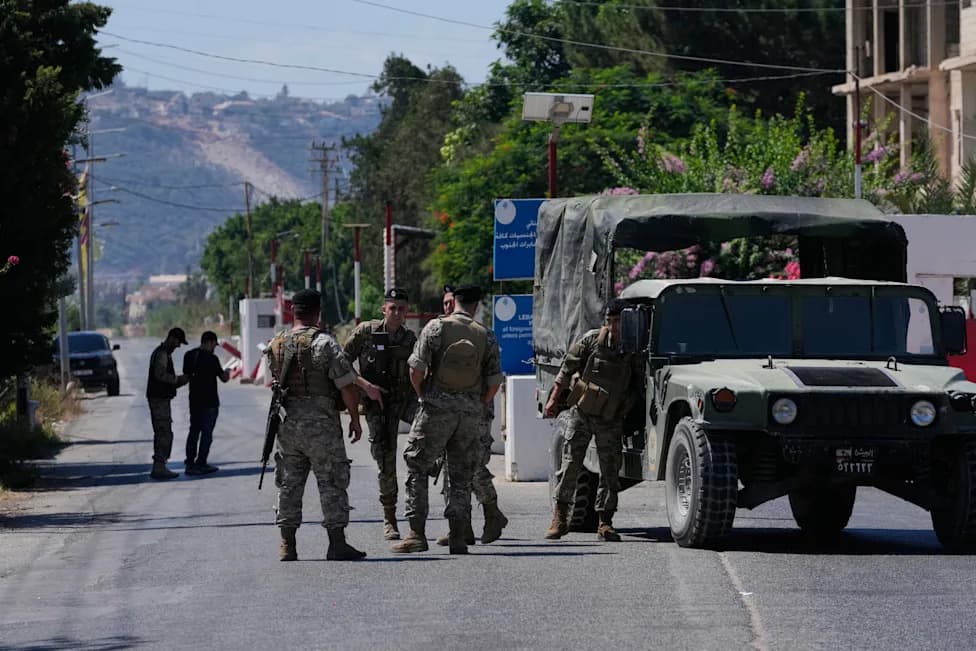
The EU has drafted a combined military and civilian mission to strengthen Lebanon's army and police, proposing at least three years of advice, training and capacity building to help restore state control. The mission’s size, composition and costs remain undecided and will depend on operational planning and Lebanese support. The proposal will be reviewed by EU ambassadors ahead of a possible autumn decision by foreign ministers, coming as UNIFIL was terminated in August 2025 and regional tensions persist after recent exchanges between Hezbollah and Israel.
EU Proposes Three-Year Military and Civilian Mission to Bolster Lebanese Security Forces
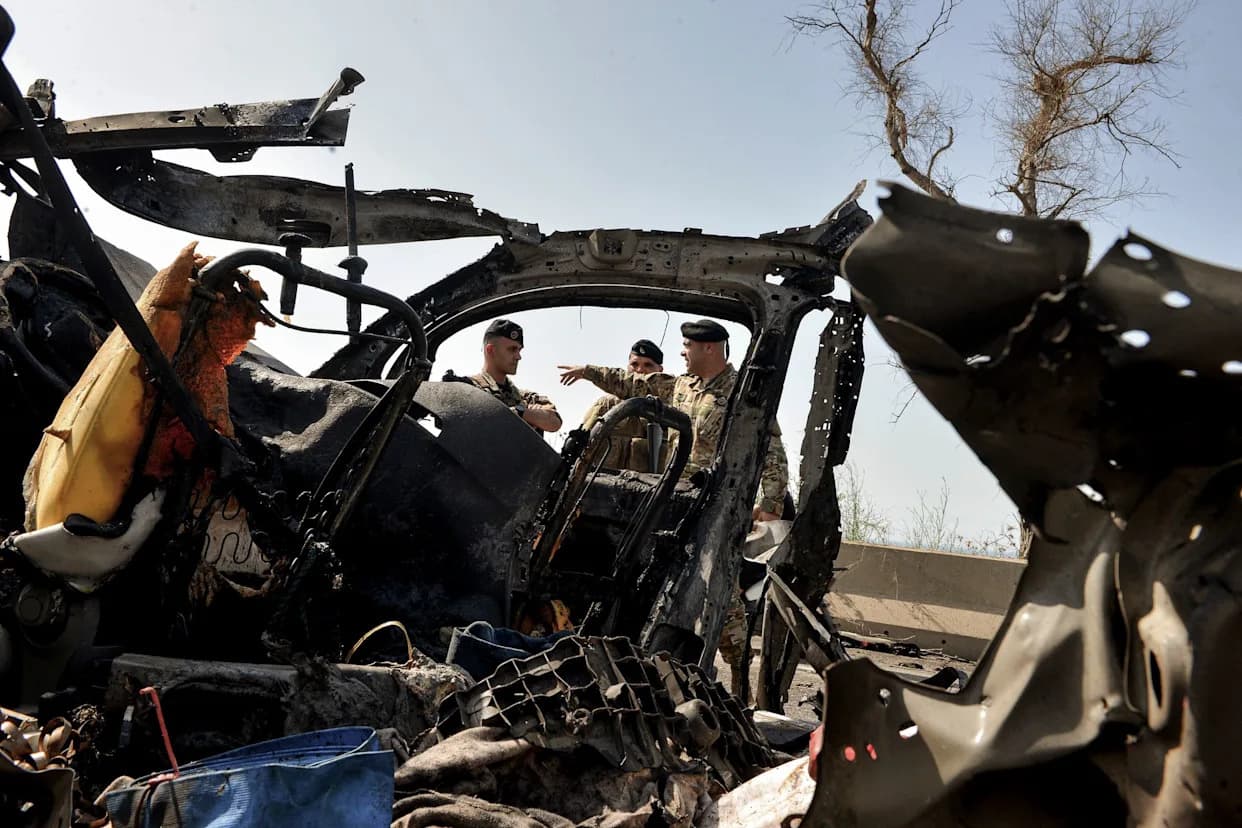
FILE PHOTO - Lebanese soldiers secure the site where a car was targeted by an Israeli drone along the coastal highway linking Beirut to southern Lebanon in the Saadiyat area. (is associated with: «EU drafts support mission for Lebanese security forces») Stringer/dpa
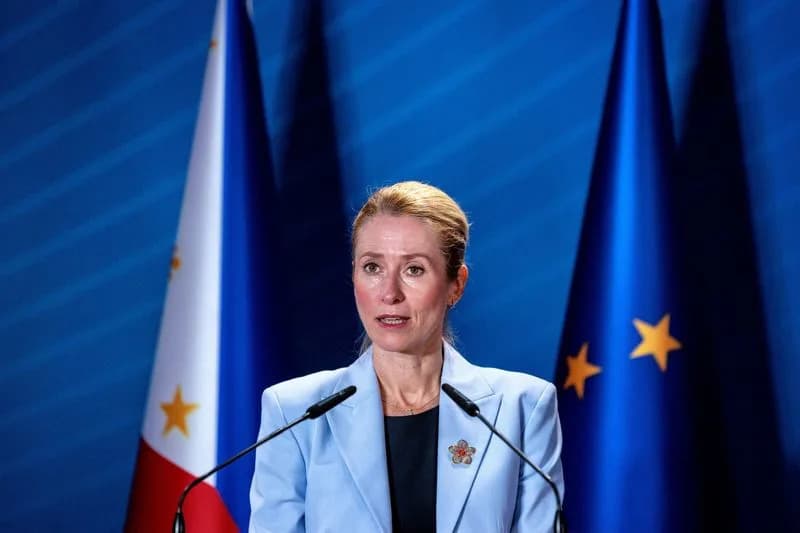
The European Union has drafted a combined military and civilian support mission aimed at strengthening Lebanon's armed forces and police so they can extend state authority across the country, according to a concept paper seen by officials.
Mission Overview
The proposal, prepared by the EU's diplomatic service, envisages a deployment lasting at least three years. It would focus on improving operational capability and readiness through advice, training and broader capacity‑building measures for Lebanon’s security forces.
Objectives
- Restore State Control: Enable Lebanese forces to exercise effective control across the territory and uphold the state's exclusive authority over the bearing of arms.
- Strengthen Institutions: Build sustainable military and police capacity so the Lebanese state can assume wider security responsibilities, particularly along the south.
Context and Political Sensitivities
Significant areas of Lebanon remain under the influence of the Iran‑backed Hezbollah militia. Recent Hezbollah attacks on Israel prompted a renewed Israeli military offensive in Lebanon, heightening regional tensions. The Lebanese government has repeatedly pledged to disarm Hezbollah but has not implemented such measures; Israel has said it will not withdraw its troops from southern Lebanon until disarmament occurs.
Planning, Timeline and Gaps
The concept paper states that the mission’s precise size and the balance of military and civilian personnel would be worked out in subsequent operational planning and would depend in part on the level of support from Lebanese authorities. No cost estimates have yet been released.
The proposal is due to be examined in the coming weeks by EU member states' ambassadors responsible for security affairs in Brussels. If they back the plan, the bloc's foreign ministers could formally establish the mission in the autumn.
Relation To UNIFIL
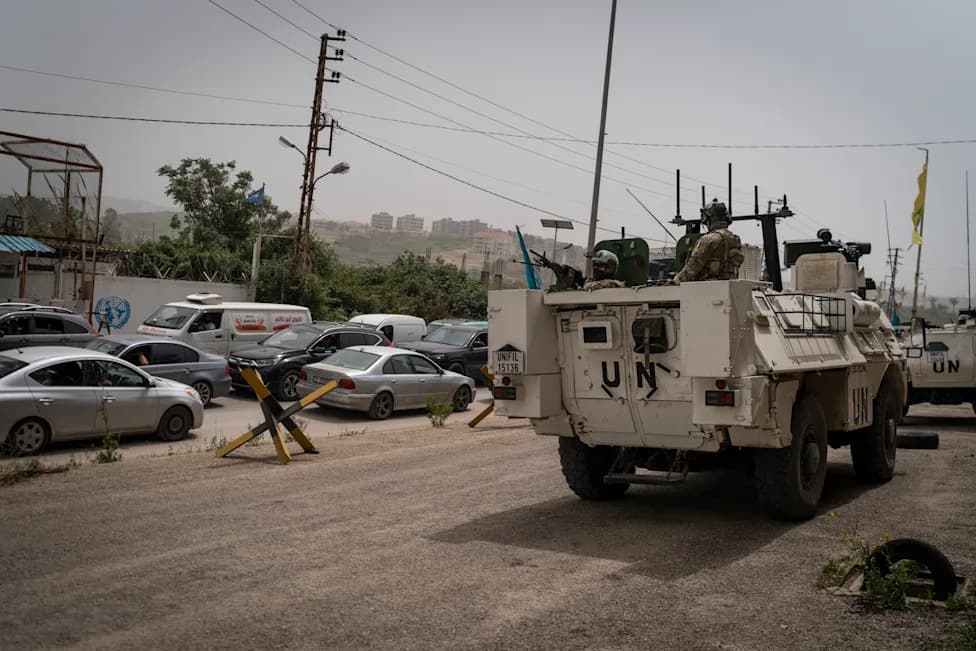
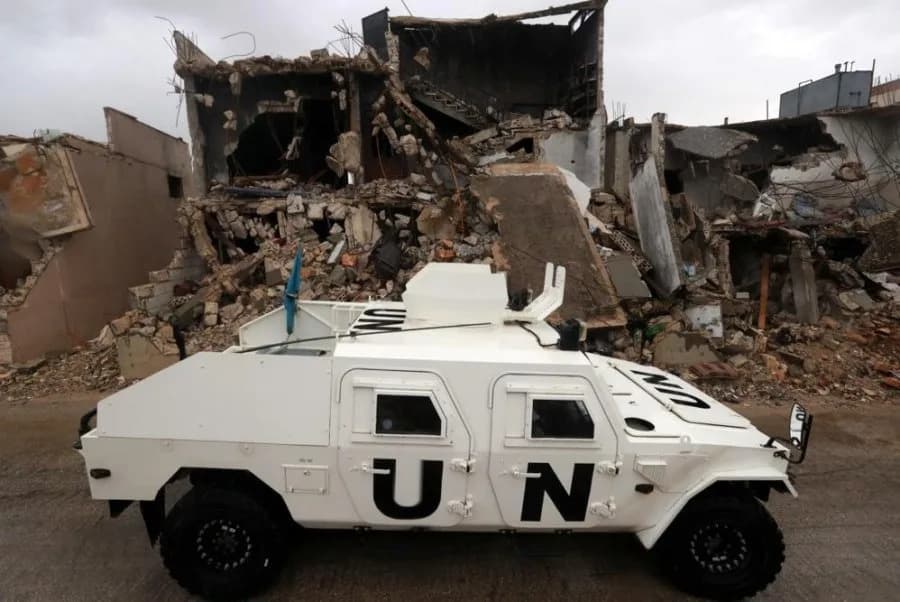
The United Nations peacekeeping force in Lebanon (UNIFIL), originally established in 1978 to monitor the Israel‑Lebanon border, was the subject of a UN Security Council decision in August 2025 to terminate the mission. Following UNIFIL's withdrawal, responsibility for security in the border area is expected to fall to the Lebanese army, increasing the political and operational importance of international support for Lebanese forces.
German Defence Minister Boris Pistorius has signalled openness to alternative forms of support, telling Germany's parliament that building capable Lebanese armed forces would be essential to stabilise the country.
Any EU mission would be politically sensitive and contingent on Lebanese cooperation and broader regional dynamics.
Help us improve.