England recorded no cervical cancer deaths among women aged 20–24 from 2020–2024, a milestone linked to nearly 88%–90% HPV vaccination coverage in that cohort. A Lancet study comparing 2001–2024 mortality records with pre-vaccine expectations found dramatic declines in young-age mortality, though authors note zero deaths may be a statistically plausible outcome rather than proof of eradication. In the U.S., HPV vaccine completion has stalled at about 61% amid legal and political controversy, threatening progress toward broader prevention.
England Sees First Five-Year Stretch With No Cervical Cancer Deaths Among 20–24-Year-Olds; U.S. Progress Slips Amid Vaccine Controversy
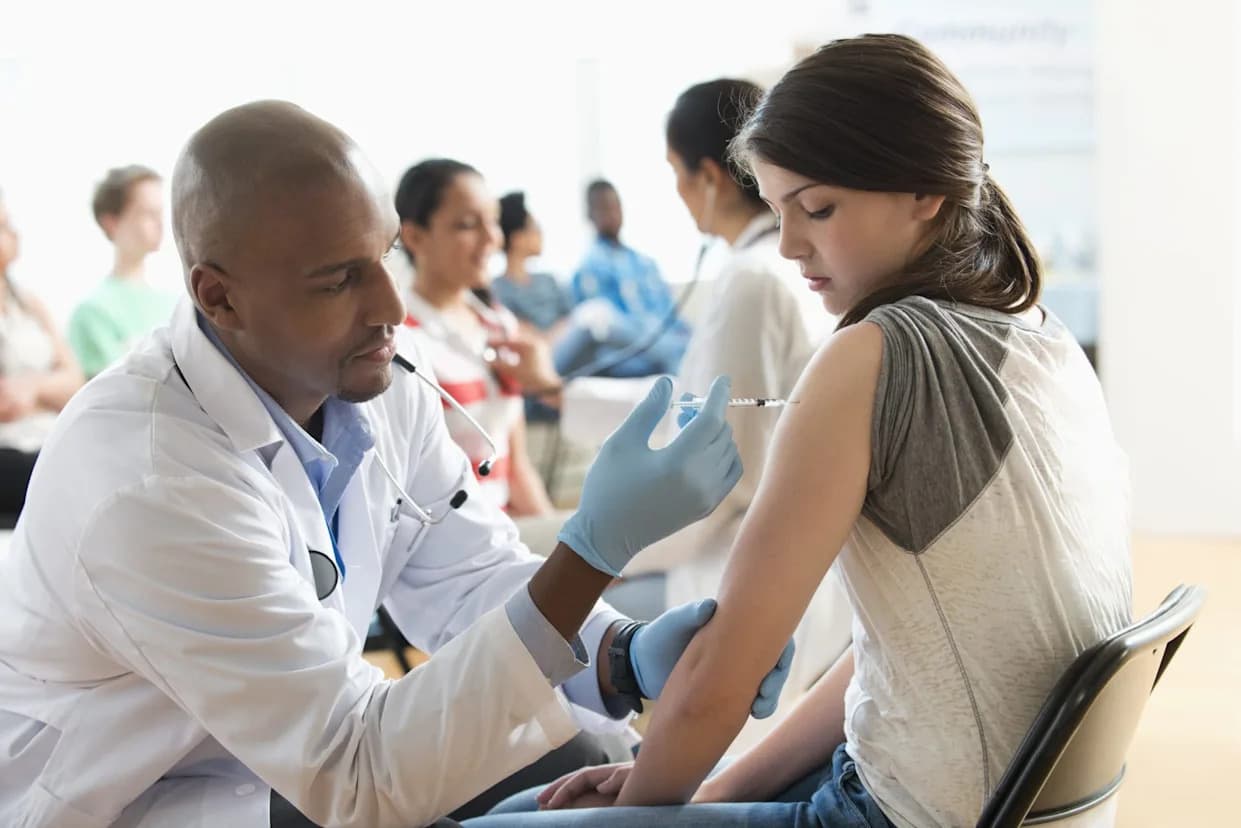
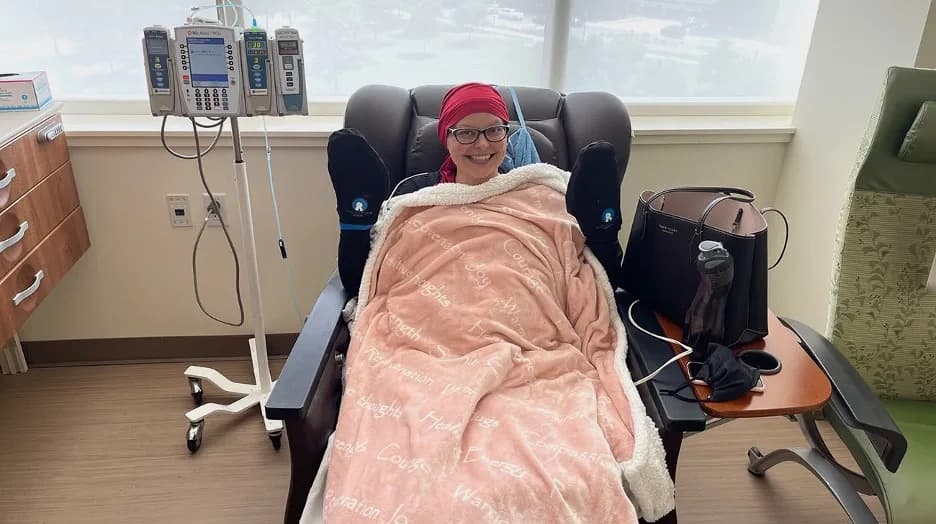
Cervical cancer deaths have dropped to zero among young women in England for the first time in decades.(Getty Stock)
For the first time since official records began, England recorded no cervical cancer deaths among women aged 20–24 during 2020–2024—a milestone researchers link to high uptake of the HPV vaccine in that generation.
Landmark Findings From The Lancet Study
The result appears in a June 17 study in The Lancet by Queen Mary University of London professors Peter Sasieni and Milena Falcaro. The authors analyzed England’s cervical cancer mortality data from 2001 through 2024 for women aged 20–34 and compared observed deaths with expected deaths calculated from pre-vaccine historical rates.
“For more than two decades, our team has been building evidence to show that HPV causes cervical cancer and that vaccination prevents infections, precancerous changes, and the disease itself. This is the first study to highlight the impact of HPV vaccination on cervical cancer mortality,” Sasieni said in a statement from QMUL.
The study found a 100% reduction in recorded cervical cancer deaths among women aged 20–24 in 2020–2024 compared with historical expectations. Vaccination coverage for that cohort was roughly 88%–90% by ages 12–13. Earlier cohorts with lower coverage also showed large declines in mortality: about an 80% drop for women aged 20–24 in 2014–2019 and roughly a 69% drop for women aged 25–29 in 2020–2024.
Estimated impact: The researchers estimate that HPV vaccination has already prevented nearly 200 young women from dying of cervical cancer in England since the program began—an early sign of what broader vaccination could prevent as vaccinated cohorts age.
Important Caveat
The authors caution that the zero deaths finding is "likely to be a chance finding corresponding to a very low underlying rate, rather than a true eradication of cervical cancer as a cause of death in young women." In other words, vaccination has driven the underlying risk so low that observing zero deaths over a five-year span is now statistically plausible.
U.S. Context: Slower Uptake And Political Headwinds
The study notes related U.S. data showing declines consistent with vaccine impact: researchers reported 31 cervical cancer deaths among U.S. women under 25 between 2016 and 2021—about 26 fewer deaths than would have been expected from historical rates. But national rollout in the United States has been uneven.
According to KFF, roughly 61% of U.S. adolescents aged 13–17 have completed the HPV vaccine series—well below completion rates for meningococcal (88.4%) and Tdap (89%). HPV initiation and completion have stalled for three consecutive years, with noticeably lower coverage in rural and conservative-leaning areas.
Public debate and legal action have become prominent. Merck’s Gardasil, the leading HPV vaccine, generated more than $8 billion in sales in 2023 and is facing litigation alleging wrongful marketing. Separately, recent actions and public statements by U.S. Department of Health leadership—most notably HHS Secretary Robert F. Kennedy Jr.—have raised concerns among public-health experts. Kennedy has, according to public reports, received referral fees tied to vaccine-related litigation and declined to affirmatively state the HPV vaccine's safety during his confirmation hearing; he has also replaced the CDC vaccine advisory panel and initiated reviews that critics say could undermine confidence in established immunization programs.
Legal analysts and oncology groups warn that high-profile skepticism and political controversy may be contributing to depressed HPV uptake in parts of the country.
Global Burden And Prevention Potential
The World Health Organization estimated HPV contributed to roughly 620,000 cancer cases in women and 70,000 in men in 2019 across cervical, anal, vulvar, vaginal, penile, and oropharyngeal cancers. Cervical cancer alone was responsible for an estimated 350,000 deaths in 2022. In the United States, the CDC estimates HPV causes about 39,300 cancers annually—nearly all preventable with the 9-valent Gardasil vaccine. Globally, HPV vaccine coverage by age 15 remains low: roughly 20% of girls have received a first dose and about 15% have completed the series.
What This Means
The English results provide compelling, real-world evidence that high HPV vaccination coverage can dramatically reduce cervical cancer deaths among young women. They also underscore the fragility of vaccination gains: sustained public confidence, equitable access, and depoliticized public-health policy are essential to extend these benefits worldwide.
Help us improve.